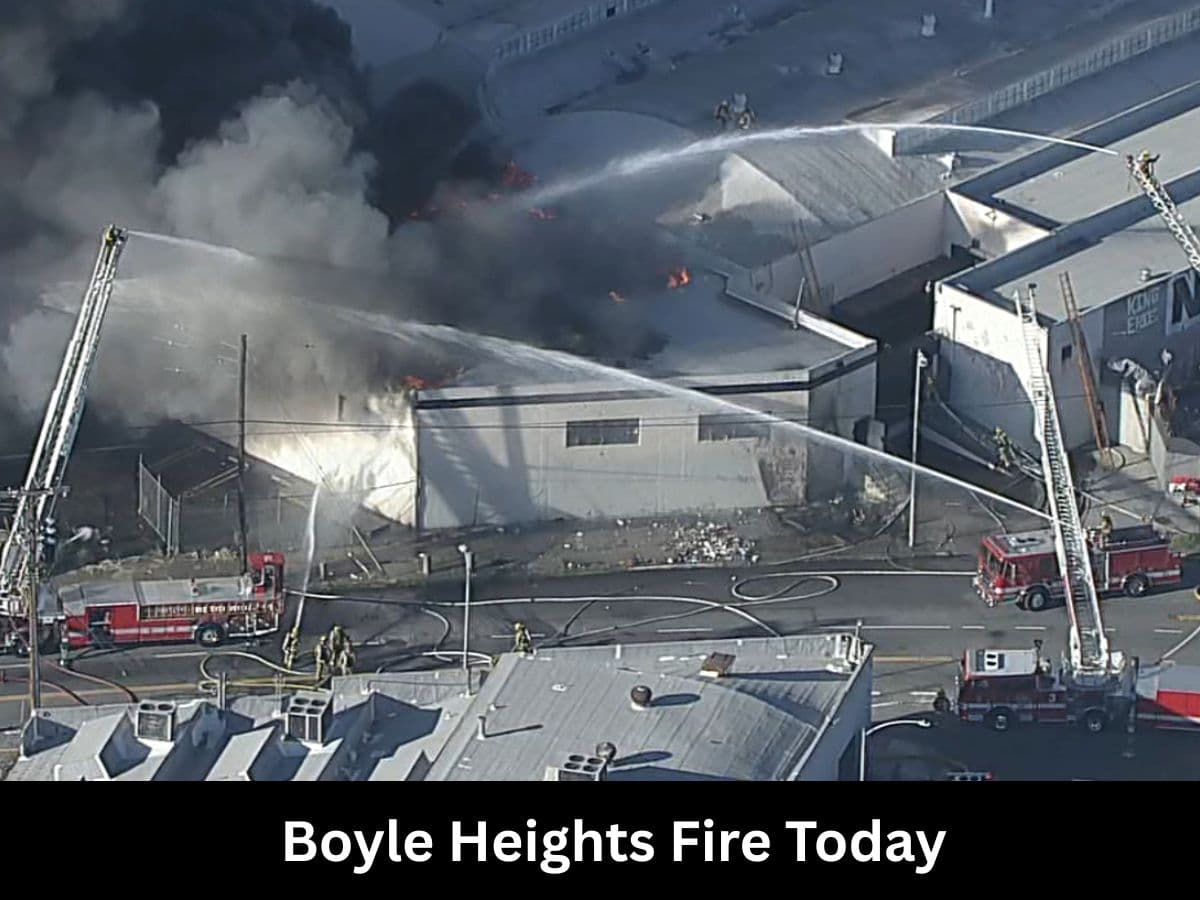
Upriver Fire in Spokane tops 220 acres, prompts evacuations
A wind-driven fire near Spokane surged past 220 acres and forced nearly 12,000 residents under evacuation orders. Officials said at least 15 homes were lost and one person was reported missing.
Firefighters were still battling the Upriver Fire in Spokane, Washington, after the blaze grew to 222.66 acres and remained just 10% contained Wednesday morning. Level 2 and Level 3 evacuation orders stayed in place near Beacon Hill, Northwood, East Upriver Drive and Camp Sekani Park as crews worked to hold the fire’s edge.
The scale of the evacuation showed how fast the fire moved into residential areas. Spokane County Fire District 9 Chief Matthew Vinci said at a June 16 news conference that nearly 12,000 residents were under evacuation orders and about 2,000 structures had been evacuated. The Washington State Department of Natural Resources said nearly 12,000 people were threatened. Officials said high winds helped drive the blaze through the area, turning a local brush fire into a fast-moving public-safety emergency.
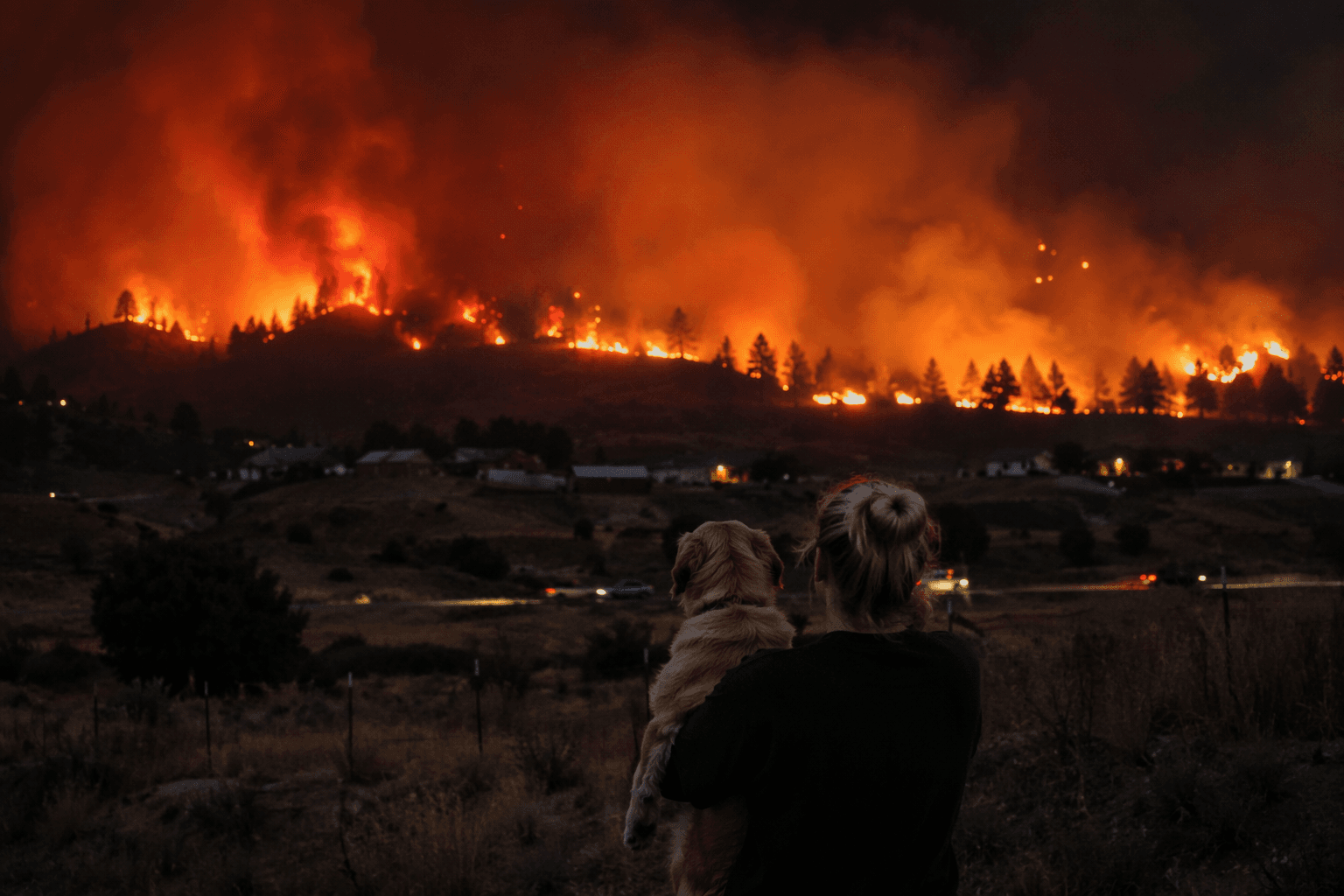
Spokane County Sheriff John Nowels said he had been told at least 15 homes were lost or severely damaged, and he said a family member had reported one person missing. Law enforcement said the area was not yet safe enough to search. Nowels also said he had requested a fire management assistance declaration from FEMA, a step that could help Washington pay for the extraordinary costs of fighting the fire.
The response has included helicopters, air tankers and hand crews as fire managers try to slow a blaze that moved quickly through a populated corridor on Spokane’s north side. The fire’s footprint, first measured at 222.66 acres by the National Interagency Fire Center, underscores how little room crews had to work once wind pushed flames toward homes and evacuation zones.
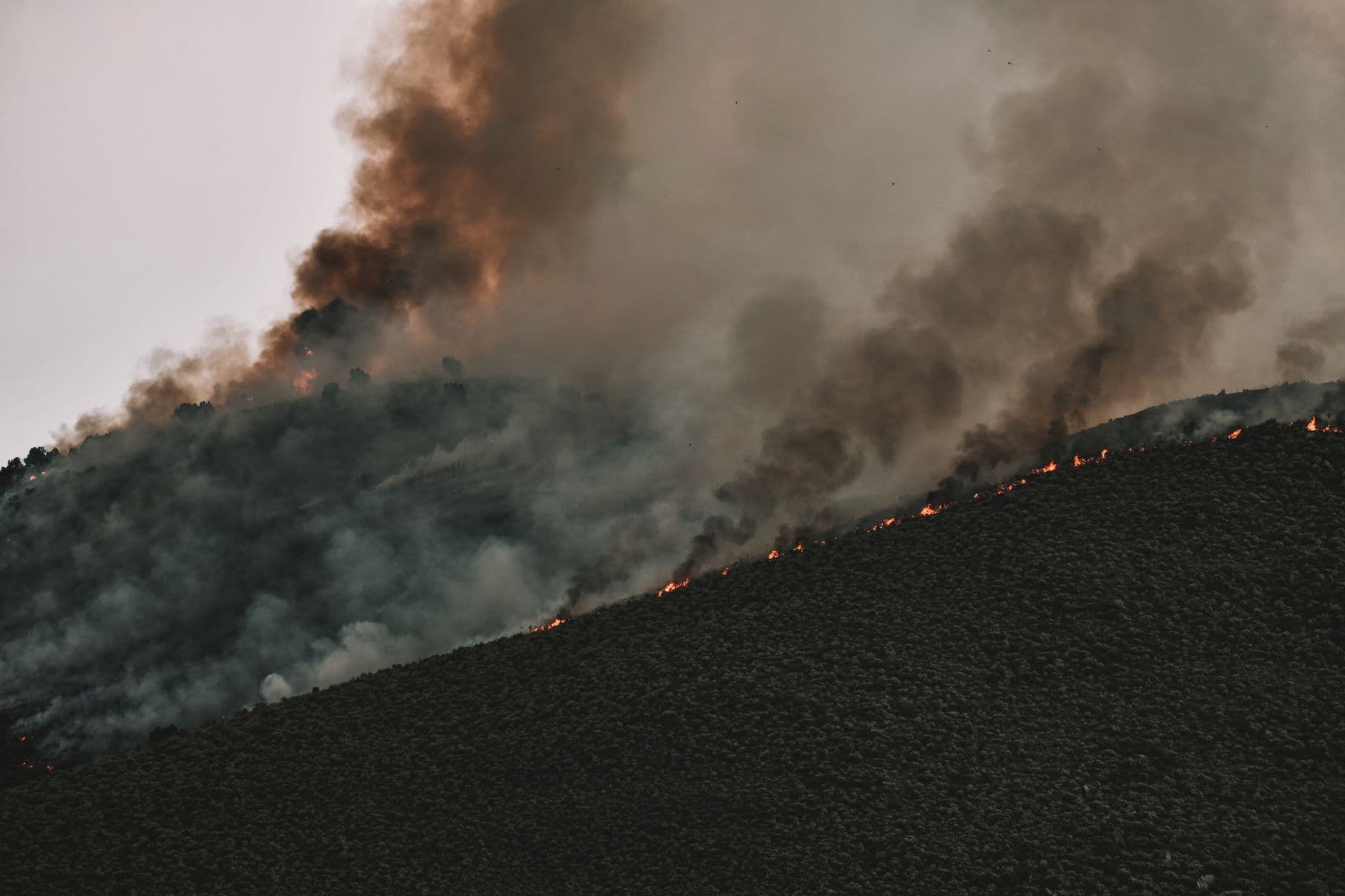
The Upriver Fire has become part of a wider day of wildfire activity across eastern Washington and North Idaho, a reminder that the West’s fire season no longer waits for midsummer heat. Early-season wind events can turn dry fuels and nearby neighborhoods into a dangerous combination, leaving local agencies, state officials and federal partners to respond before a fire can be boxed in.
This article was produced by Prism’s automated news system from verified source data, official records, and press releases, then run through automated quality and moderation checks before publishing. The system is built and supervised by the people who set the standards it runs under. Read our full AI policy.
Know something we missed? Have a correction or additional information?
Submit a Tip