Urgent call for O-negative donors as local blood runs out
The local blood bank appealed for O-negative donors after donations slowed and supplies ran out. This matters because O-negative is universal and critical for emergency care.
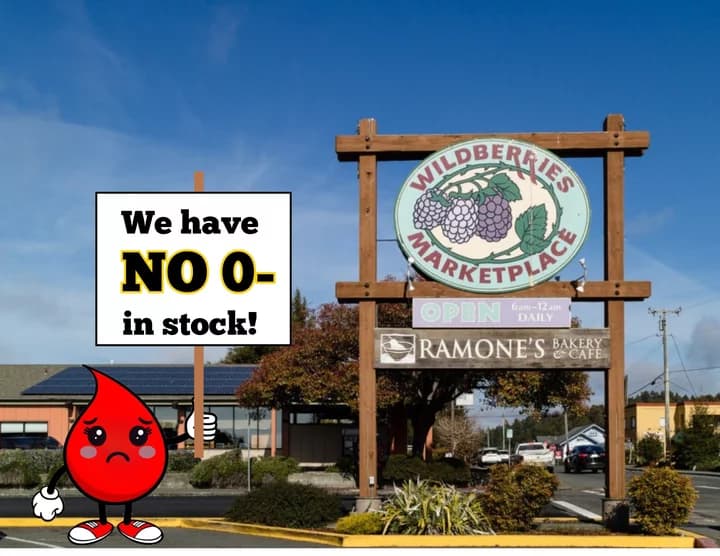
The Northern California Community Blood Bank issued an urgent appeal on Jan. 12 after donations slowed at the end of December and into the new year, leaving the bank with no O-negative units as Humboldt entered the third week of January. Local hospitals still maintain limited supplies on their shelves, but once those units are used there is nothing available to replenish them.
O-negative blood is considered universal and can be transfused to patients of any blood type. That flexibility makes O-negative especially vital in emergency situations when a patient’s blood type is unknown. In a rural county like Humboldt, where trauma transports, ambulance response times and transfers to higher-level care can already stretch resources, an absence of universal donor units increases the risk that emergency teams will face delays when blood is urgently needed.
The blood bank is asking O-negative donors to give as soon as possible and has scheduled local donation opportunities to address the gap. A mobile blood drive will be at Wildberries Marketplace in Arcata from 12:00 to 6:00 p.m., and the Blood Bank on Harrison is open until 6:00 p.m. Donors can check nccbb.org for additional schedules and locations.
This shortage reflects a familiar post-holiday pattern that public health officials have long warned about: donations often dip over the winter holiday period and slow into January, just when cold weather and seasonal emergencies can increase demand. For Humboldt County, the shortage spotlights structural challenges in maintaining steady blood supplies in rural regions. Limited public transit, longer travel distances to donation sites, and competing economic pressures on volunteers all contribute to uneven donation patterns that disproportionately affect smaller hospitals and clinics.

Beyond immediate clinical concerns, the shortage raises policy and equity questions about how to sustain blood collection infrastructure in outlying communities. Ensuring a reliable blood supply requires more than emergency appeals; it needs predictable funding for mobile drives, employer-supported donation programs, targeted outreach to donor groups most likely to have O-negative blood, and transportation or scheduling accommodations so people who work hourly or face mobility barriers can give.
For residents who can donate, acting now is the most direct way to help keep care local and timely. For community organizations and employers, hosting a blood drive or giving staff time off to donate can make a measurable difference. The coming days will show whether rapid community response can replenish O-negative stocks and protect Humboldt’s hospitals from harder choices in emergencies.
Sources:
Know something we missed? Have a correction or additional information?
Submit a Tip