Uruguay begins World Cup 2026 with anthem-filled buildup against Saudi Arabia
Uruguay’s anthem filled Miami Stadium before kickoff, turning a Group H debut into a showcase of diaspora energy and World Cup ritual in the U.S.

The first notes of Uruguay’s anthem carried across Miami Stadium before kickoff, and the scene framed more than a Group H opener against Saudi Arabia. It underscored how the 2026 World Cup is already being shaped by national rituals in American stadiums, where Uruguay’s support merged with the host city’s wider immigrant energy and the tournament’s growing cultural reach.
Uruguay entered the match on June 15 as one of football’s most decorated teams, making its 15th World Cup appearance and its fifth in a row since returning to prominence in 2010. The Celeste have won the tournament twice, in 1930 and 1950, and FIFA described their route to 2026 as a direct qualification from South American qualifying after a campaign marked by swings in form.
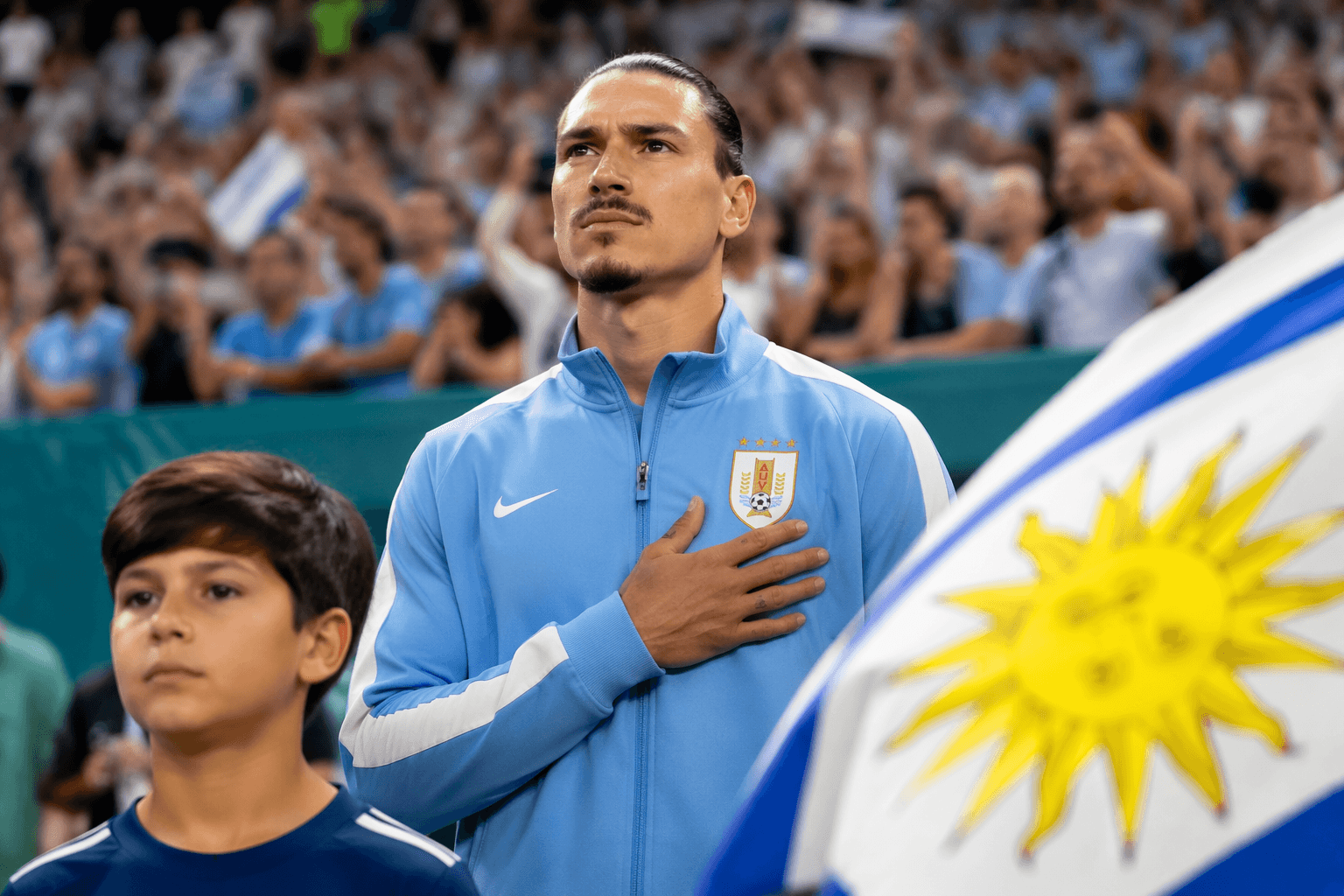
Marcelo Bielsa brought a 26-man squad to the tournament, and the federation had already begun staging the team’s departure as a national event. On June 4, the AUF oversaw the handoff of the Pabellón Nacional and the opening of works at the Complejo Celeste in a formal send-off attended by government officials led by Yamandú Orsi and representatives of FIFA. The team then traveled on June 9 to Mexico for its final preparation before the World Cup.
The match itself was scheduled for 18:00 in Miami, 19:00 in Montevideo and 01:00 on Tuesday in Riyadh, a timing spread that reflected just how global the tournament’s audience has become. FIFA listed the game as Match 13 in the first stage at Miami Stadium, and the setting gave Uruguay a loud opening night atmosphere far from home but heavy with national symbolism.
Saudi Arabia arrived with its own recent World Cup memory. The team’s 2-1 victory over Argentina in its Qatar 2022 debut remains one of the tournament’s defining shocks, and it gave the Saudis a reminder that they can disrupt more established powers on the biggest stage. Against Uruguay, that history added weight to a match that was as much about identity and atmosphere as it was about three points in Group H.
This article was produced by Prism’s automated news system from verified source data, official records, and press releases, then run through automated quality and moderation checks before publishing. The system is built and supervised by the people who set the standards it runs under. Read our full AI policy.
Did this article answer your question?
.jpg&w=1920&q=75)