Uruguay left on brink after Bielsa admits loss of control
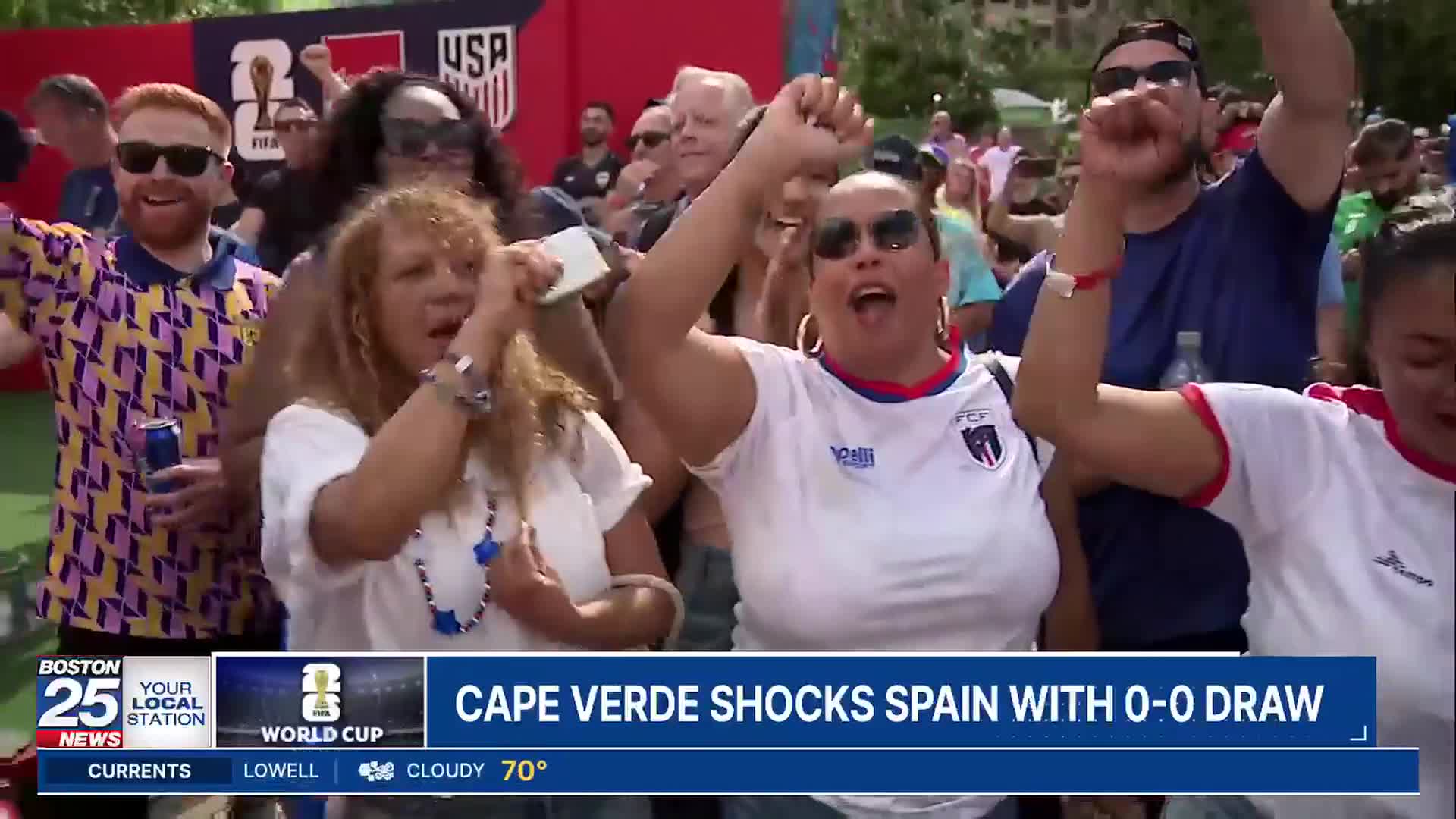
Bielsa admitted Uruguay lost control in key stretches, and a 2-2 draw with Cabo Verde left the Celeste needing Spain on June 27 to survive.
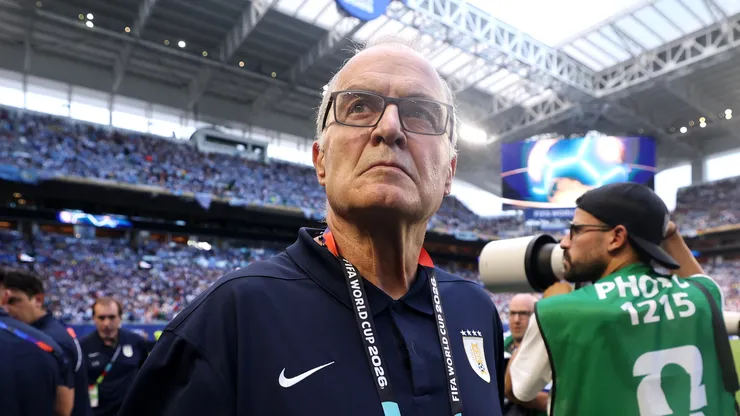
Uruguay no longer looks in command of Group H. After a 2-2 draw with Cabo Verde at Miami Stadium, Marcelo Bielsa acknowledged that his side lost control at several moments, and the Celeste reached the final round with only two points from six possible. What was supposed to be a campaign built around authority and momentum has instead become a stress test for one of soccer’s most scrutinized coaches.
The pressure sharpened because Uruguay entered the tournament with a clear brief: restore the stature it had lost in Catar 2022. FIFA had framed Bielsa’s assignment that way before kickoff, noting that Uruguay finished fourth in the South American qualifiers, one point behind Ecuador and 10 behind Argentina. It also pointed out that Bielsa had once taken Chile to the round of 16 in South Africa 2010, a benchmark that made the expectation in the United States even clearer.
The warning signs appeared immediately. Uruguay opened on June 15 with a 1-1 draw against Arabia Saudí at Miami Stadium, a match in which Abdulelah Al Amri put Saudi Arabia ahead in the 41st minute before Maxi Araujo equalized in the 80th. Fernando Muslera, at 39 years and 364 days, became the oldest player to represent Uruguay at a World Cup, a record that underlined both the team’s experience and its dependence on veterans as the group stage tightened. After that first round, Uruguay, Arabia Saudí, Spain and Cabo Verde were all level on one point.
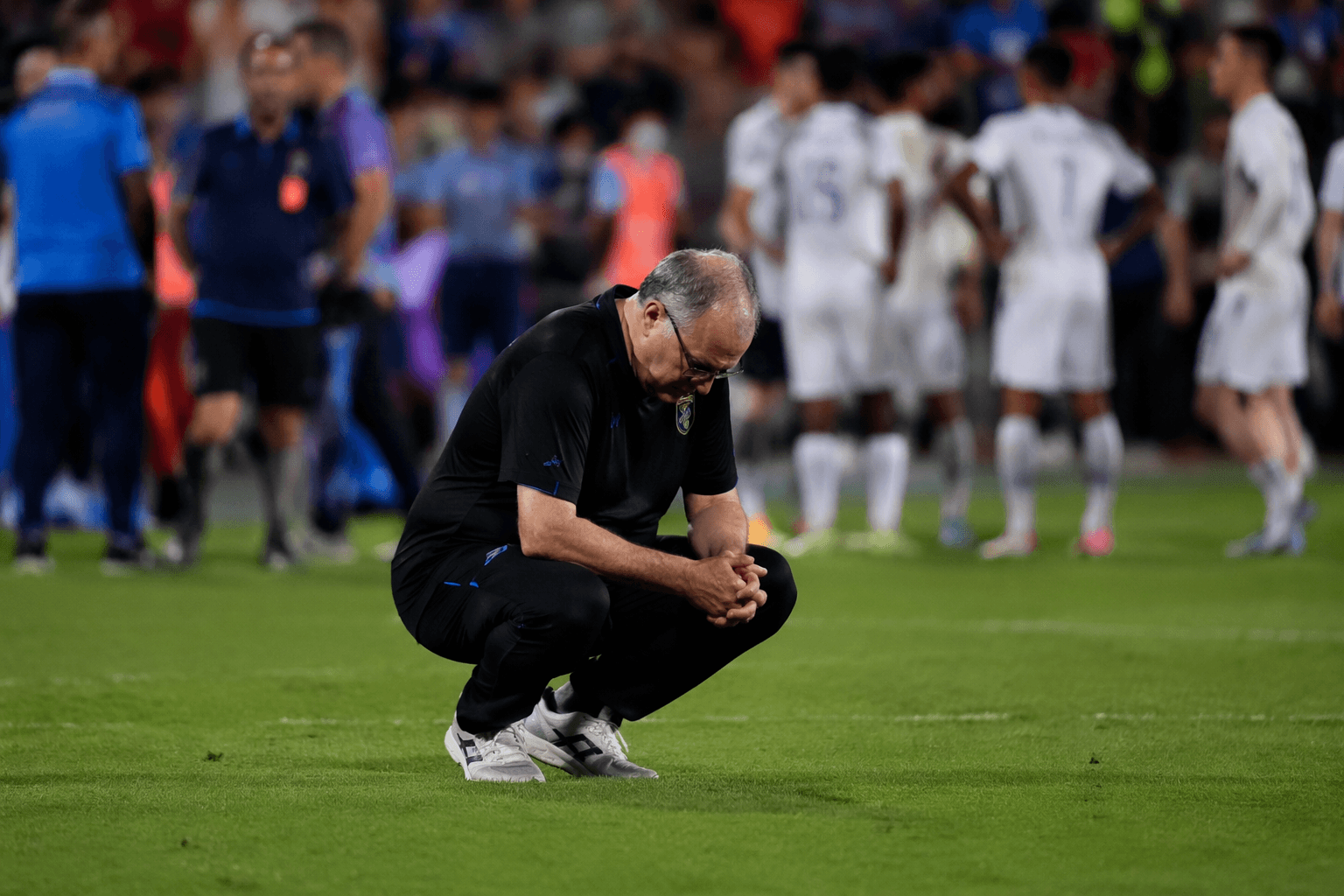
Then came the match that turned concern into urgency. Cabo Verde’s draw kept Uruguay from taking control of its own fate, and the four-way balance in the group meant every detail now mattered. With Spain waiting in Guadalajara on June 27, Uruguay must produce a result that restores order to a campaign that has already looked uneven, fragmented and far less dominant than its profile suggested.
For Bielsa, the issue is no longer just results. It is whether Uruguay can still impose the identity that made him the hire, or whether the team’s structure is fraying at the exact moment it was meant to project authority on the world stage. Guadalajara will decide whether the warning signs were only a stumble, or the beginning of something more serious.
This article was produced by Prism’s automated news system from verified source data, official records, and press releases, then run through automated quality and moderation checks before publishing. The system is built and supervised by the people who set the standards it runs under. Read our full AI policy.
Know something we missed? Have a correction or additional information?
Submit a Tip