U.S. adds $20 million to fight Ebola in Africa
Washington added $20 million more for Ebola response, pushing direct U.S. support past $220 million as officials race to keep the outbreak from crossing borders.
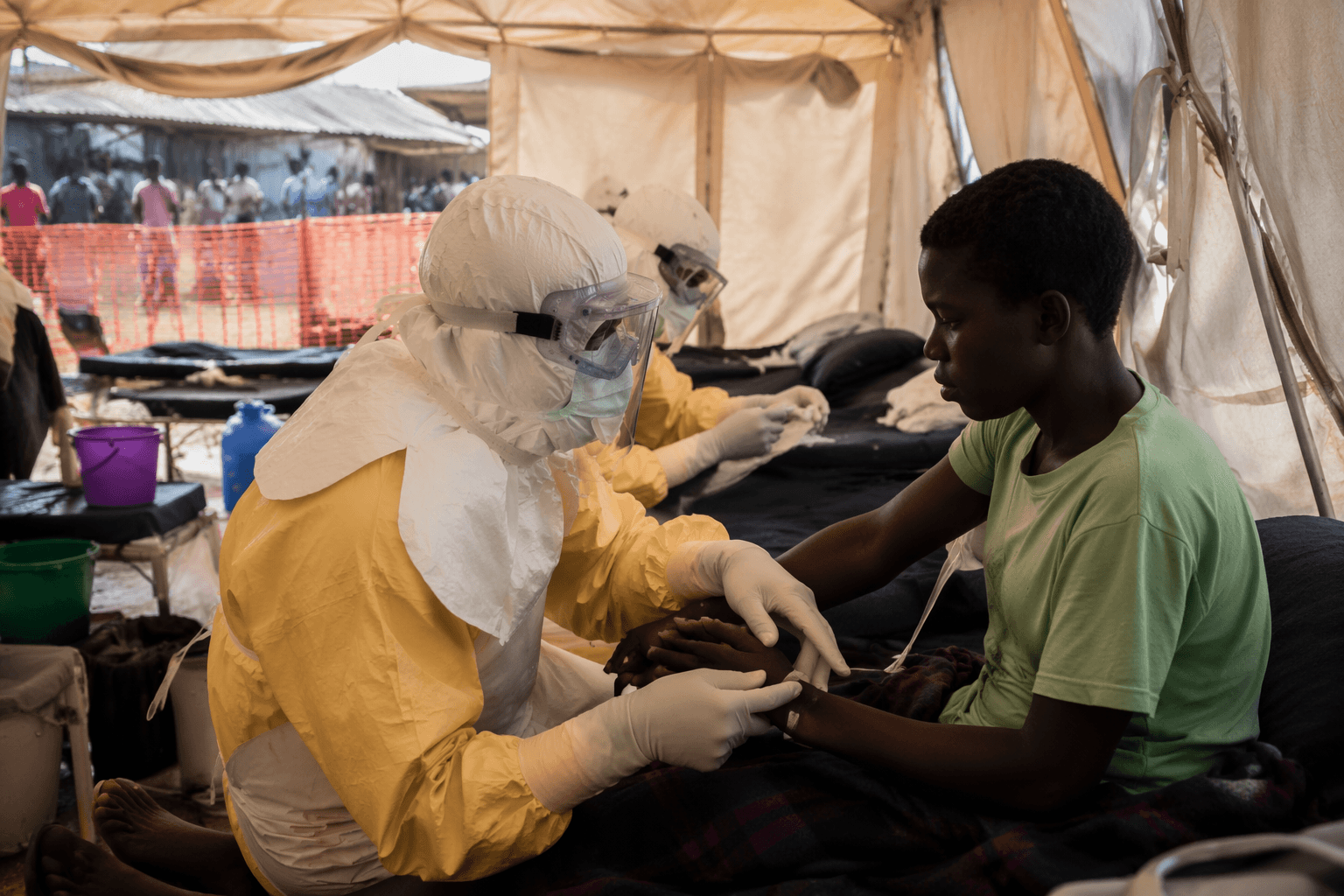
The United States added another $20 million to its Ebola response in Africa, lifting total direct U.S. support to more than $220 million as officials try to keep a localized outbreak from turning into a wider regional emergency. The new money is aimed at Burundi, Kenya, Rwanda and South Sudan, with a focus on the practical work that determines whether outbreaks stay contained: emergency operations centers, surveillance, testing, border screening, infection prevention and control, critical supplies and care for Ebola patients.
The funding comes as the World Health Organization says the outbreak in the Democratic Republic of the Congo and Uganda was confirmed in May 2026 and involves the Bundibugyo species of Ebola, for which there is no vaccine or specific treatment. That leaves public-health defenses relying heavily on early detection, contact tracing, clinical readiness and cross-border coordination, especially in a region where humanitarian pressure, insecurity and heavy movement of people and goods can help the virus spread.
Washington has been building that response in stages. On June 5, the State Department said it was adding nearly $38 million, taking total direct funding to more than $200 million before this latest increase. On May 19, it said it would fund up to 50 Ebola response clinics in the DRC and Uganda, signaling a push to expand treatment access as well as containment. A few days earlier, the department said it had set up an interagency coordination cell and incident management system in Washington within 24 hours of learning of confirmed cases.
The latest commitment underscores how much of the response now rests on regional public-health infrastructure. By directing money toward border screening, emergency operations and infection-control measures, the United States is treating the outbreak not only as a medical crisis but also as a logistics test: whether governments can move supplies, isolate cases quickly and stop chains of transmission before they cross into new countries.
The U.S. Centers for Disease Control and Prevention says no Ebola cases have been confirmed in the United States from this outbreak and that the risk to the American public remains low. Still, the scale of the U.S. commitment shows how seriously officials are taking the threat of spillover, with Washington working alongside the governments of the Democratic Republic of the Congo and Uganda and other partners across the region to prevent the virus from spreading further.
This article was produced by Prism’s automated news system from verified source data, official records, and press releases, then run through automated quality and moderation checks before publishing. The system is built and supervised by the people who set the standards it runs under. Read our full AI policy.
Know something we missed? Have a correction or additional information?
Submit a Tip