U.S. adds nearly $38 million as Congo Ebola outbreak worsens
Washington is adding nearly $38 million as Congo’s Ebola count hits 452 cases and the CDC warns the outbreak could rival 2014.

The 2014 West Africa Ebola disaster has become Washington’s yardstick again, but the comparison is doing more than measuring risk. It is being used as a warning about how fast the current outbreak in the Democratic Republic of Congo could spiral, and as a case for why the United States is moving money now.
The United States said it would add nearly $38 million more to Ebola response efforts, pushing direct funding for the outbreak to more than $200 million. The move came as the Centers for Disease Control and Prevention warned that the Congo outbreak could match or even surpass the catastrophic 2014 crisis if patient isolation stays limited and transmission keeps widening. In a region already strained by conflict and weak public-health systems, the CDC said the combination makes the outbreak especially dangerous.
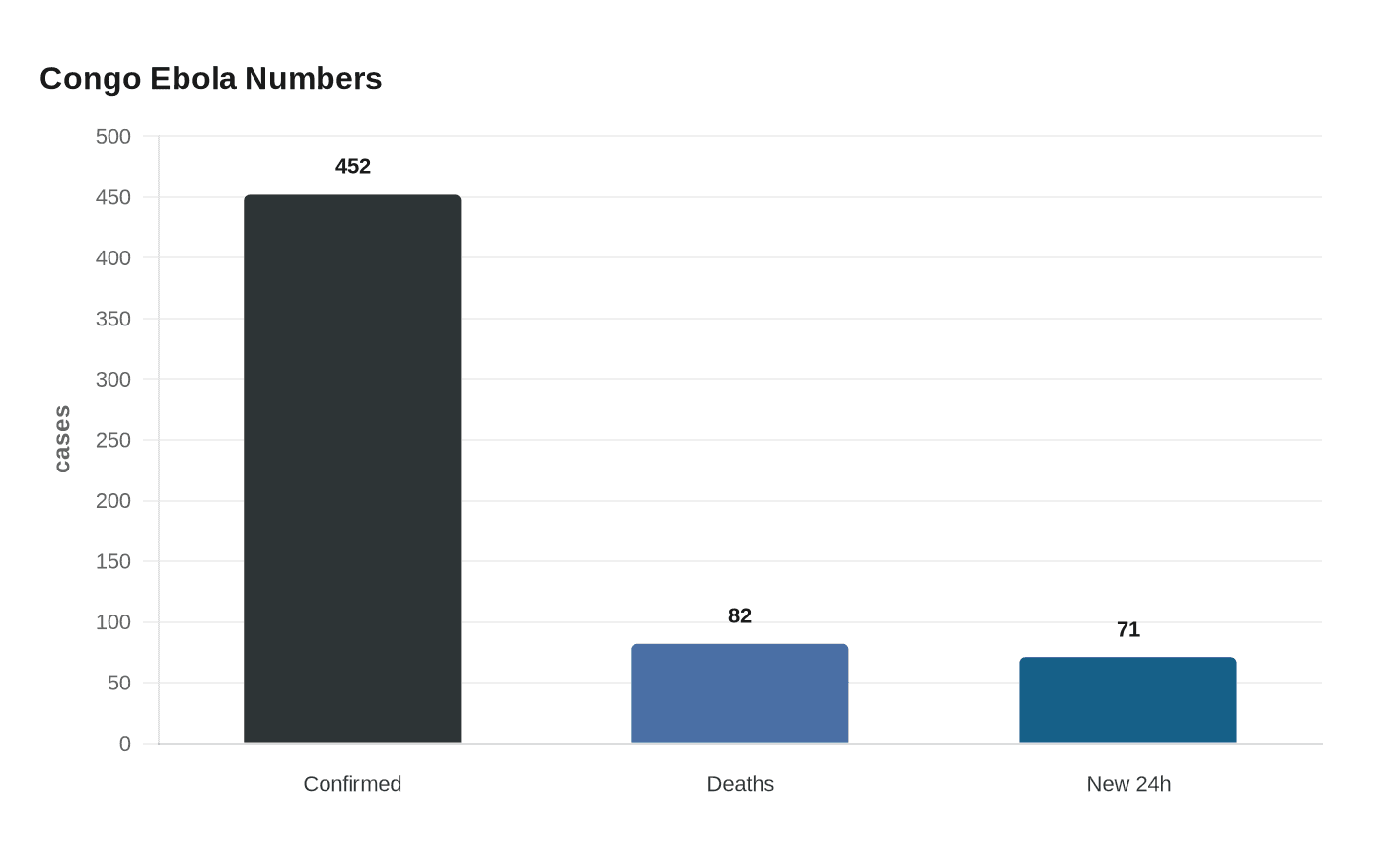
The numbers in Congo point to a fast-moving emergency. The Democratic Republic of Congo health ministry reported 452 confirmed cases and 82 deaths, including 71 new cases in a single 24-hour period. The virus involved is the Bundibugyo strain, which has no approved vaccine or treatment, leaving containment dependent on rapid testing, isolation, contact tracing and public trust. That makes every delay in diagnosis or separation of patients more consequential, especially where health systems are already under pressure.
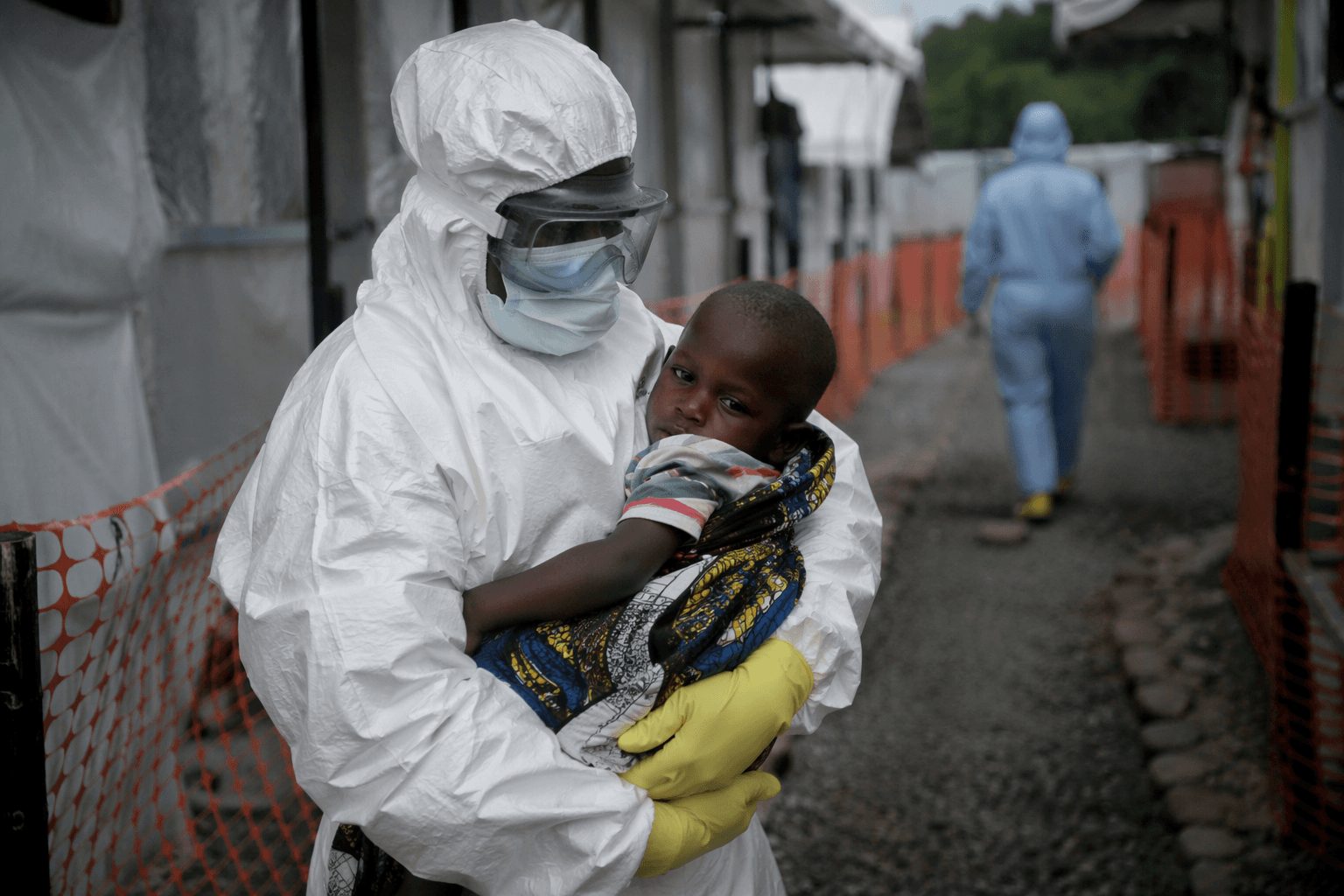
The U.S. response is broader than a funding announcement. The State Department coordinated the move with the CDC and with health authorities in the Democratic Republic of Congo and Uganda. The CDC said it has staff in both countries and has deployed additional experts, while also releasing three scientific reports meant to help marshal international resources. The response also includes guidance for possible exposures and travel arrangements intended to keep the virus from reaching the United States.
Compared with 2014, the public-health playbook is more developed, and the U.S. is moving with clearer lines of coordination, more field staffing and faster scientific messaging. But the vulnerabilities remain plain. Bundibugyo Ebola still lacks a proven medical backstop, and the outbreak is unfolding where conflict can slow access, mistrust can blunt tracing and weak systems can let chains of infection spread before they are caught. The added money may buy time, but officials are signaling that time is exactly what the outbreak is running out of.
This article was produced by Prism’s automated news system from verified source data, official records, and press releases, then run through automated quality and moderation checks before publishing. The system is built and supervised by the people who set the standards it runs under. Read our full AI policy.
Did this article answer your question?


