U.S. AI curbs push European firms to diversify providers, seek local options
U.S. AI access curbs are pushing Siemens, Orange and others to spread risk across American, Chinese and European models and accelerate demand for local alternatives.
U.S. limits on access to artificial intelligence services are forcing Europe’s biggest companies to treat provider choice as a strategic dependency, not a routine software purchase. The pressure sharpened when Anthropic was ordered by the U.S. government to suspend access to its Fable 5 and Mythos 5 models for foreign nationals on national-security grounds, a reminder that remote proprietary AI can be cut off by policy overnight.
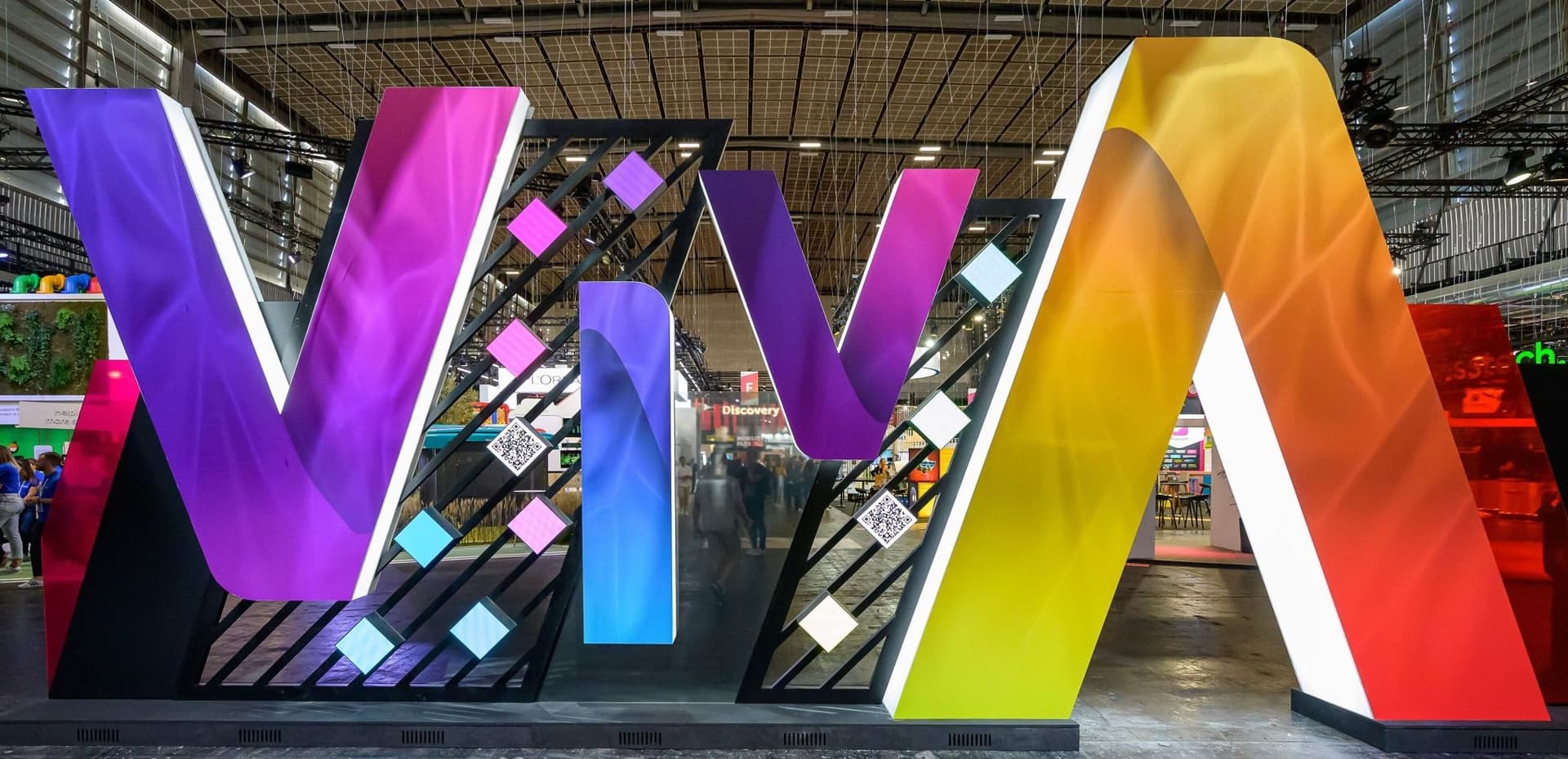
At VivaTech in Paris from June 17 to 20, executives from Siemens, Renault Group, Orange and ChapsVision said they were already spreading their bets across U.S., Chinese and European systems to avoid being locked to a single supplier. Siemens said it uses Chinese models including DeepSeek and Alibaba’s Qwen, along with Nvidia’s Nemotron and other U.S. and European tools. Cedrik Neike, Siemens’ digital-industries chief, put it plainly: “You need flexibility,” and “Sovereignty often gets confused with autarky ... and autarky is absolutely not the way to do it.”
That shift has clear business consequences. More vendors mean more integration work, more governance checks and more cost, but executives said the alternative is worse: slower deployment, higher exposure and the risk that a policy change in Washington can suddenly alter access for European users. The timing of the Anthropic restriction, only days before Europe’s major tech-policy and industry gatherings in Paris, reinforced how quickly access rules can change for firms building AI into customer service, industrial software and network operations.
Brussels is trying to answer that vulnerability with a broader sovereignty push. On June 3, 2026, the European Commission unveiled its European technological sovereignty package, a set of measures aimed at strengthening semiconductors, AI, cloud and open source. The package includes Chips Act 2.0, the Cloud and AI Development Act, the EU Open Source Strategy and a Strategic Roadmap for Digitalisation and AI in Energy.
The industrial reality, however, remains uneven. Europe has only a handful of general-purpose AI providers, led by Mistral, while DeepL is stronger in narrower applications. That leaves most large users focused less on complete self-sufficiency than on supply-chain optionality, keeping enough providers in play to avoid sudden outages and preserve leverage over pricing and access. As AI becomes a core business input, the risk is no longer just technical. It is strategic, and Europe’s response is moving toward more local capacity, more resilience and less dependence on a single country’s rules.
This article was produced by Prism’s automated news system from verified source data, official records, and press releases, then run through automated quality and moderation checks before publishing. The system is built and supervised by the people who set the standards it runs under. Read our full AI policy.
Did this article answer your question?