U.S. aid cuts leave Lesotho residents without HIV testing and care
Residents walked for hours to Lesotho clinics and found HIV tests unavailable as U.S. aid cuts shuttered care and shook medication supplies.
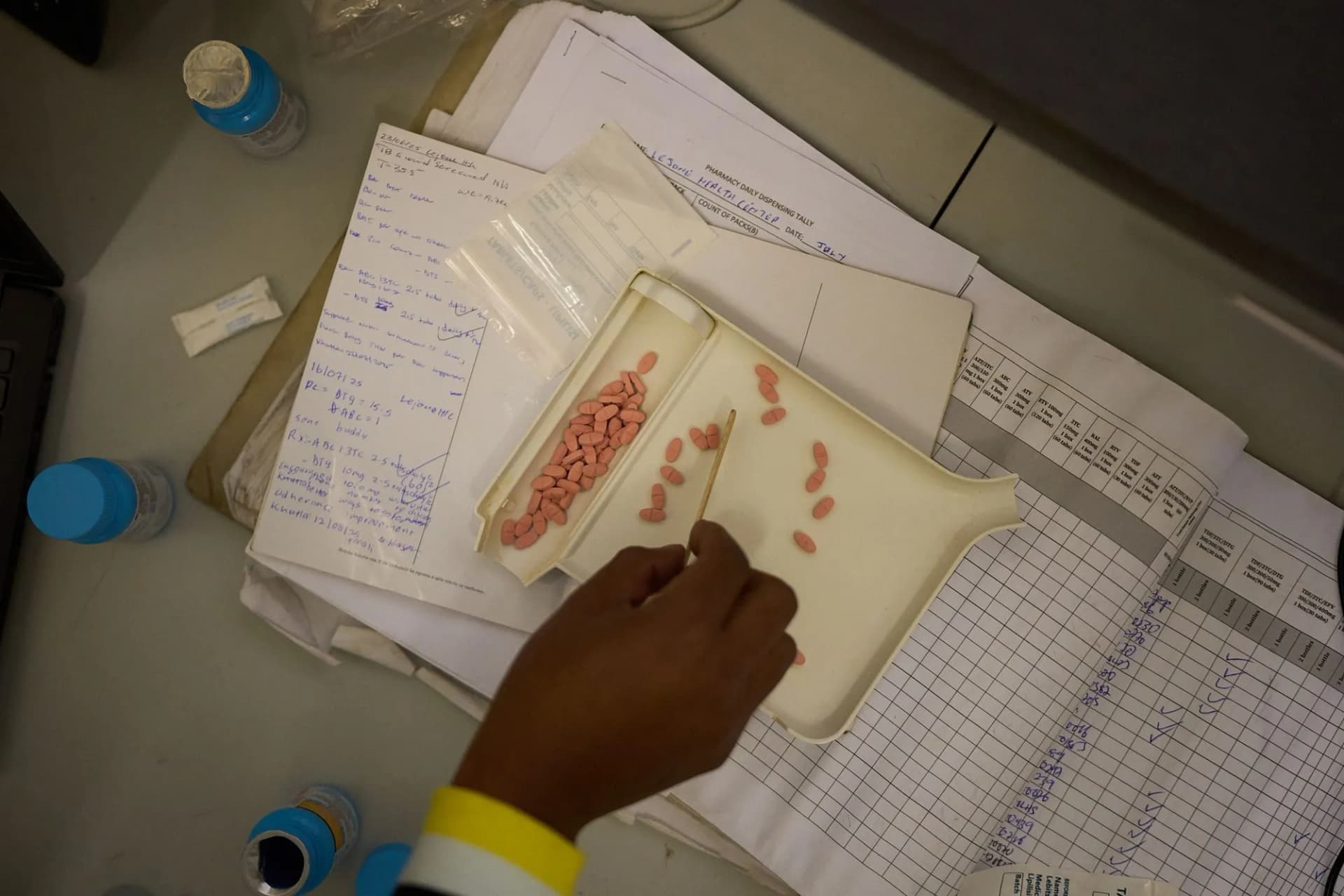
Some residents in Lesotho walked for hours into the mountains only to reach clinics that could not test them for HIV. Others arrived to find centers that had long served the country’s most vulnerable shutting their doors, a stark sign of how quickly U.S. aid cuts translated into missed care and growing uncertainty for patients who depend on steady treatment.
The collapse followed President Donald Trump’s Jan. 20 executive order freezing foreign aid and then a broader move to slash USAID assistance. In Lesotho, where years of U.S.-backed support had helped drive major gains against HIV, the shift destabilized a public-health system that had been holding together a fragile network of testing, treatment and outreach. The disruption also spread far beyond one small, landlocked country in southern Africa: confusion rippled through roughly 130 countries with USAID-supported programs.

That disruption carried immediate clinical consequences. Treatment was interrupted, medication supplies became uncertain, and the loss of staffing and logistics threatened the continuity of care for pregnant mothers, babies and other patients who rely on regular HIV services. The country’s progress, built over years and credited with saving hundreds of thousands of lives, suddenly faced the risk of reversal because funding decisions made in Washington cut through the basics of daily care in Lesotho.
Health workers and experts warned that restarting programs on the ground would not happen overnight, even after officials in Washington said some flagship HIV initiatives were being temporarily restored under six-month bridge programs while longer-term agreements were negotiated. Clinics do not reopen, supply chains do not reset, and trained staff do not return instantly just because a policy is softened on paper. For patients who had already lost access, each day of delay meant more uncertainty about testing, treatment and the next dose.
Lesotho’s experience exposed the human cost of foreign-policy choices that can seem abstract in Washington but land as a direct threat to survival in communities far away. In a country where many residents already travel long distances for basic care, the aid cuts turned geography, poverty and political decision-making into the same public-health crisis.
This article was produced by Prism’s automated news system from verified source data, official records, and press releases, then run through automated quality and moderation checks before publishing. The system is built and supervised by the people who set the standards it runs under. Read our full AI policy.
Did this article answer your question?