U.S. aid shields Israel from pressure for diplomacy, critics say
Marco Rubio expedited about $4 billion in arms to Israel even as critics said U.S. backing has blunted Washington’s leverage on diplomacy.

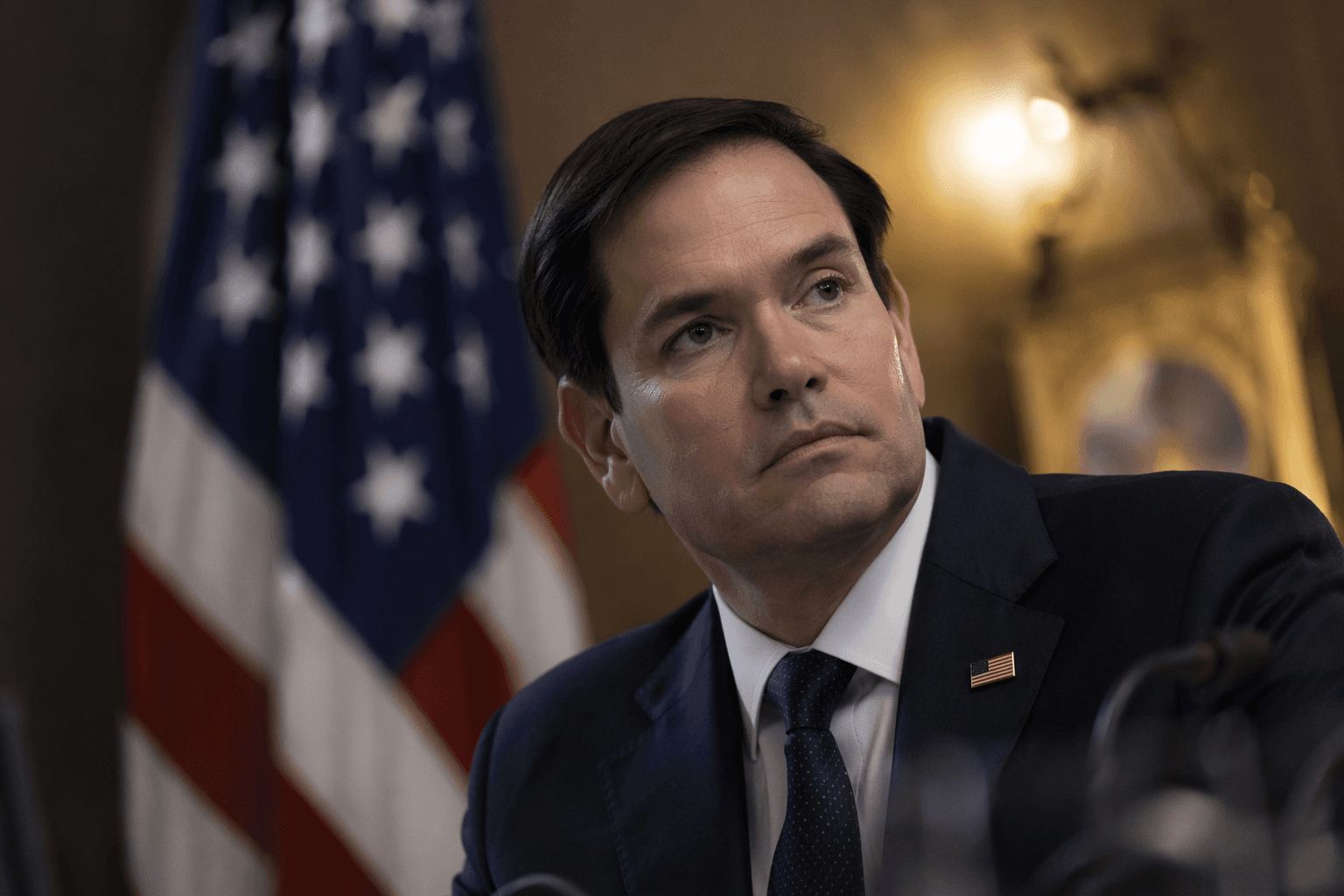
Marco Rubio signed a declaration in March 2025 to expedite about $4 billion in military assistance to Israel, adding fresh fuel to a debate over whether U.S. backing gives Washington leverage or only deeper responsibility for the war’s fallout. The dispute has sharpened since Hamas’s October 7, 2023 attack, which the U.S. State Department said killed an estimated 1,200 people and left close to 100 hostages still in captivity by the end of 2024, including seven U.S. citizens.
Israel is the largest cumulative recipient of U.S. foreign assistance since World War II. The State Department says the United States has provided Israel more than $130 billion in bilateral assistance since 1948, while Congressional Research Service materials say Congress has recorded $158 billion in bilateral assistance and missile defense funding to date. Nearly all current U.S. bilateral aid is military assistance, a sign of how far the relationship has shifted from the economic and humanitarian aid that marked the early decades after Harry S. Truman first backed the Jewish state.
That military pipeline is structured through the 2016 U.S.-Israel memorandum of understanding, which covers fiscal years 2019 through 2028 and provides $38 billion over 10 years. Of that total, $33 billion is designated for Foreign Military Financing and $5 billion for missile defense cooperation. The State Department says that support helps Israel maintain its qualitative military edge, giving Washington a role that is financial, strategic and diplomatic at once.
Critics argue that the scale of that support has reduced Washington’s ability to press for a cease-fire or a broader diplomatic strategy, especially during the Gaza war. A Foreign Affairs analysis said the conflict showed the United States struggling to shape Israel’s conduct despite repeated efforts. The argument in Washington is not only about battlefield aid, but about whether unconditional or near-unconditional backing shields Israeli leaders from consequences when they reject negotiations, refuse concessions or expand military operations in Gaza and the West Bank.
The broader political fight has also widened inside the United States as the war has driven opposition to military aid and increased scrutiny of Israel’s conduct. Washington has continued to wield its diplomatic weight, including its veto power at the U.N. Security Council, to block criticism of Israel. Supporters say that pressure from the United States still matters; skeptics say the current arrangement leaves Washington paying for decisions it cannot meaningfully change.
This article was produced by Prism’s automated news system from verified source data, official records, and press releases, then run through automated quality and moderation checks before publishing. The system is built and supervised by the people who set the standards it runs under. Read our full AI policy.
Know something we missed? Have a correction or additional information?
Submit a Tip