U.S. and Guatemala reportedly agree to joint strikes on drug traffickers
Guatemala would let U.S. forces strike traffickers on its soil, a rare escalation that tests sovereignty just as Trump widens anti-cartel operations across the region.
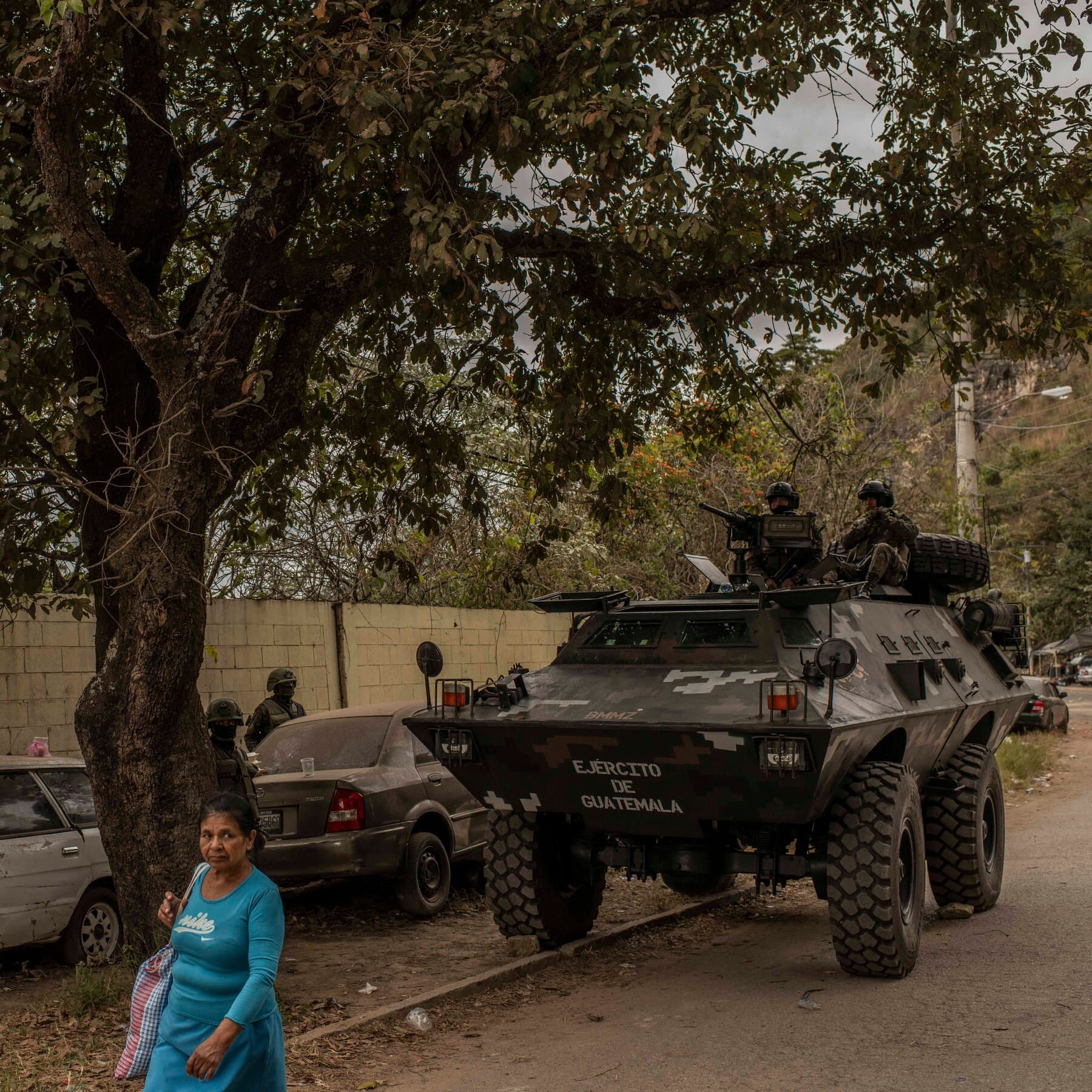
Guatemala appears set to permit joint U.S. strikes inside its borders against drug trafficking groups, a step that would push Washington’s anti-cartel campaign from cooperation into direct military action on foreign soil. The reported arrangement followed a call last week between President Bernardo Arévalo and Defense Secretary Pete Hegseth, and it would place Guatemala at the center of a broader Trump administration effort to win operational latitude across Latin America.
That is an unusually hard line for the region. Latin American governments have long worked with the United States on counternarcotics, border security and justice-sector operations, but allowing U.S. military strikes inside national territory raises a sharper sovereignty question. The legal basis for such action is not clear from the reporting, and the domestic political risks are obvious: any civilian casualties, damage to border communities or perception of foreign intervention could quickly become a political liability for Arévalo.
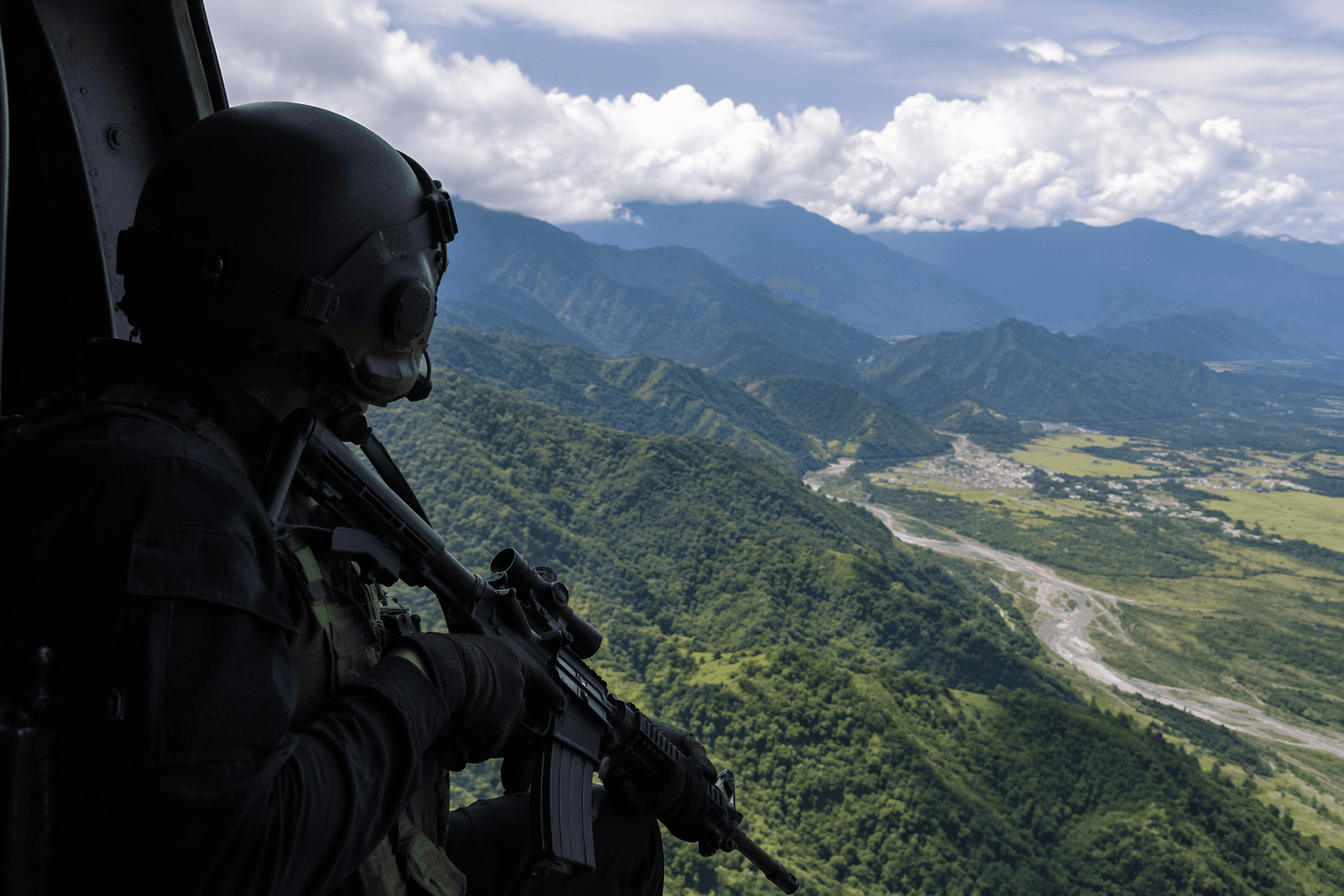
The move fits a wider escalation. In March, Donald Trump unveiled a hemispheric anti-cartel drive at the Shield of the Americas Summit, where 17 countries signed a joint security declaration and the president described using lethal military force against cartels and terrorist networks. The Pentagon is also expected to press Honduras to accept similar joint military action, signaling that Guatemala may be only the first test case in a larger regional push.
Washington has plenty of intelligence and policy cover for the move. The State Department listed Guatemala among the major drug transit or major illicit drug producing countries for fiscal year 2026. In April, it said a sanctions case targeted a transnational network spanning India, Guatemala and Mexico that supplied precursor chemicals to the Sinaloa Cartel. State Department material also says many parts of Guatemala, especially along its borders, are under the influence of drug trafficking organizations.
The administration has spent years building the infrastructure for deeper cooperation there. U.S. agencies have worked with Guatemalan police, military units, prosecutors and border forces through programs including the Central America Regional Security Initiative and the Bureau of International Narcotics and Law Enforcement Affairs. In 2019, Guatemalan police and military units seized record amounts of narcotics, a reminder that the current deal would be an escalation of an existing security partnership, not a wholly new relationship.
Still, the stakes have risen sharply. U.S. maritime strikes in Latin American waters had killed nearly 200 people by late May, and a Pentagon watchdog said it would review whether those attacks followed the proper targeting framework. Against that backdrop, joint strikes inside Guatemala would mark a major advance in Trump’s effort to extend U.S. military reach in the hemisphere, while forcing Arévalo to balance anti-drug pressure against the politics of sovereignty at home.
This article was produced by Prism’s automated news system from verified source data, official records, and press releases, then run through automated quality and moderation checks before publishing. The system is built and supervised by the people who set the standards it runs under. Read our full AI policy.
Did this article answer your question?