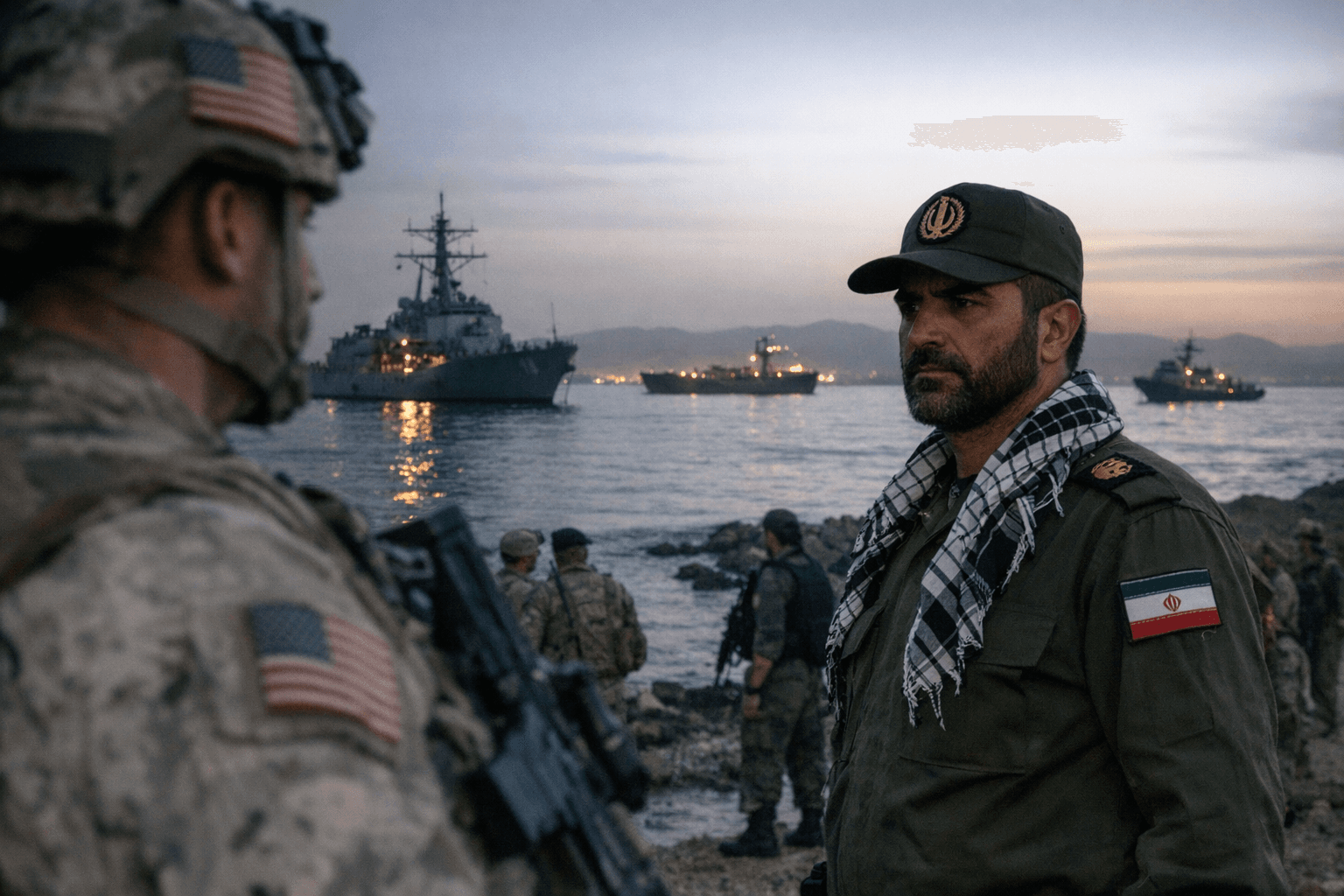
U.S. and Iran Agree to Two-Week Cease-Fire After Trump Threats
Pakistan brokered a two-week pause in the U.S.-Iran war less than two hours before Trump's 8 p.m. deadline, but missiles flew after the ceasefire took effect.
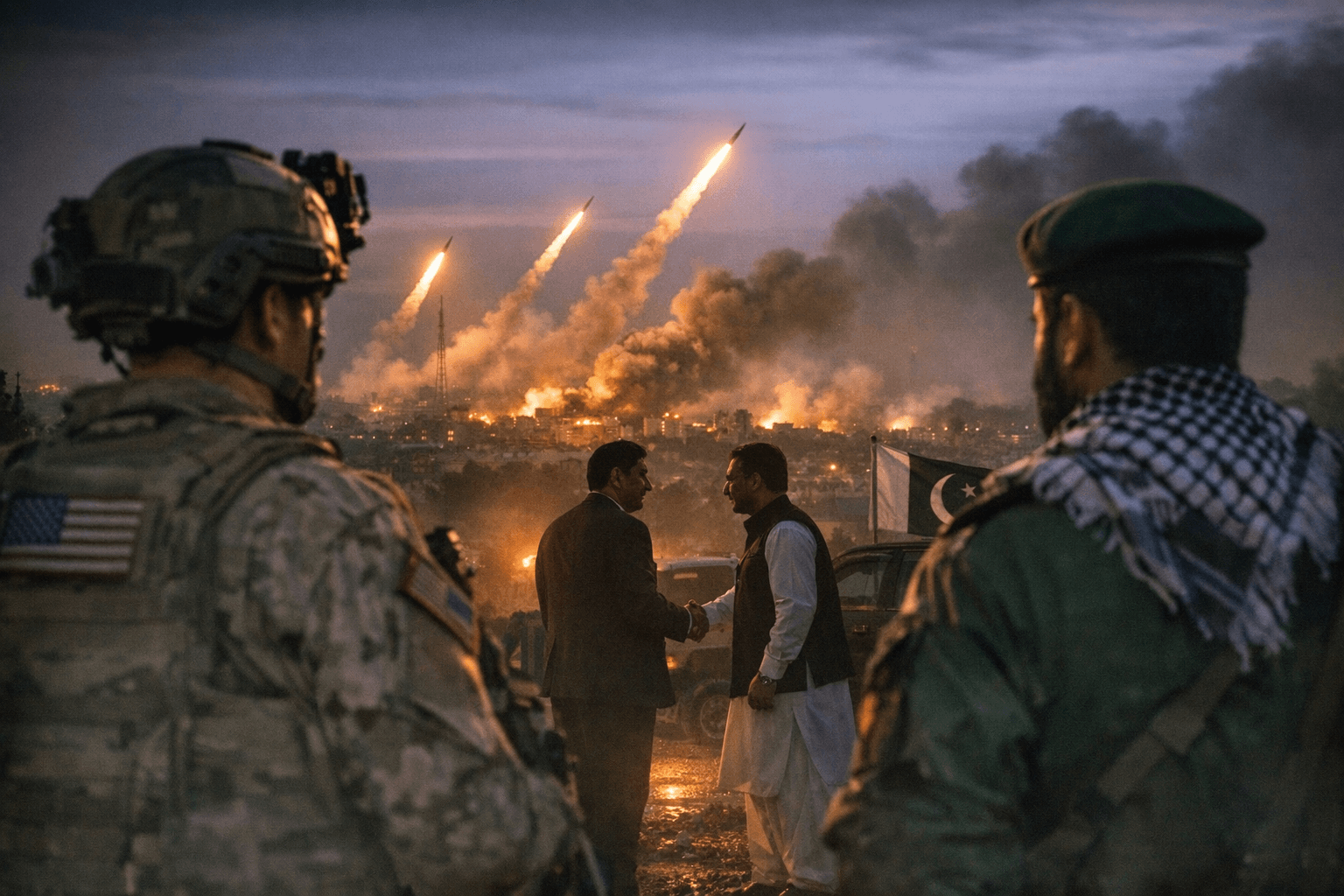
The pivot from annihilation to negotiation took less than two hours. President Trump had warned Tuesday that "a whole civilization will die tonight" if Iran did not capitulate by 8 p.m. Eastern time, threatening to destroy bridges, power plants, and civilian water infrastructure in strikes that legal experts warned would constitute war crimes. By early evening, Trump suspended the planned bombing and agreed to a two-week ceasefire, citing Iran's submission of a 10-point proposal as "a workable basis on which to negotiate."
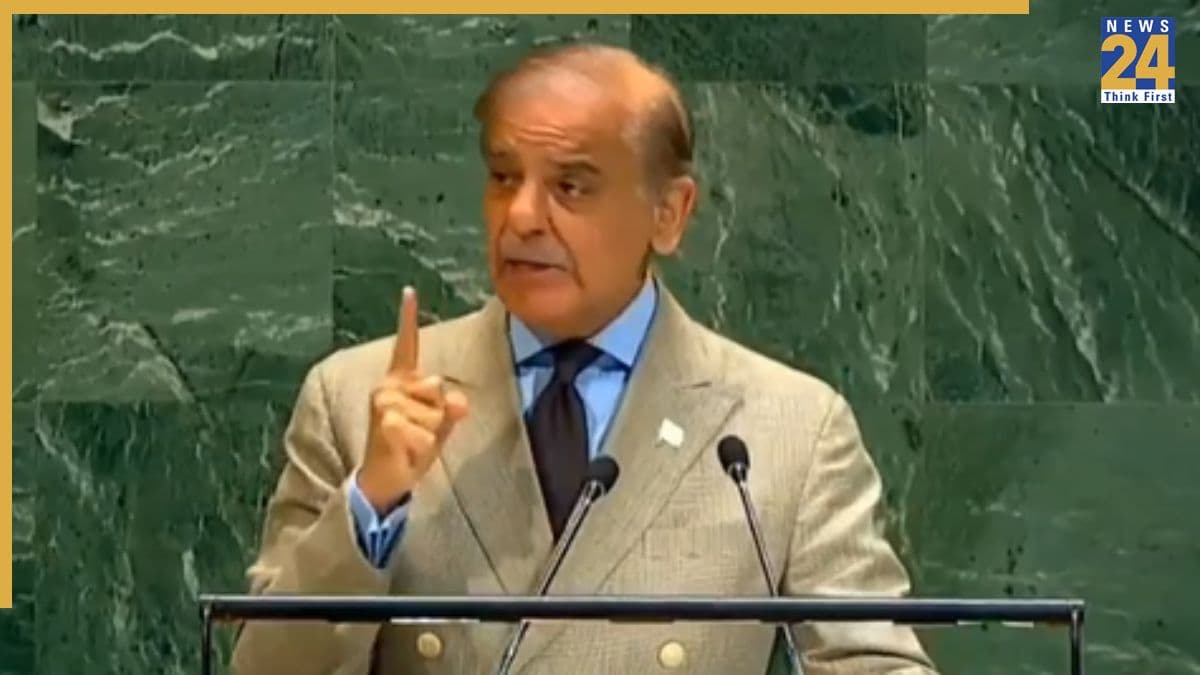
The leverage that broke the deadlock was not American firepower alone. Negotiations picked up momentum over the previous 24 hours, with Pakistan serving as the primary mediator. Trump credited conversations with Pakistani Prime Minister Shehbaz Sharif and Field Marshal Asim Munir, writing that at their request he agreed "to suspend the bombing and attack of Iran for a period of two weeks," contingent on Iran agreeing to "the COMPLETE, IMMEDIATE, and SAFE OPENING of the Strait of Hormuz." Sharif announced the deal publicly and invited both delegations to Islamabad for follow-on talks on April 10.
The Strait of Hormuz sat at the center of every calculation. The pivotal waterway carries a fifth of the world's oil during peacetime, and Iran's near-closure of it had triggered a global energy crisis. The U.S. had already struck military targets on Iran's strategic Kharg Island, and the 39-day conflict had methodically degraded Iranian infrastructure. A senior Israeli official framed the outcome bluntly: Iran is opening the strait "without getting any of its demands in advance, such as a commitment for a final end to the war, reparations, the removal of heavy sanctions."
What the ceasefire actually pauses is narrower than the announcement suggests. Among the points Iran communicated were an easing of U.S. sanctions and "the withdrawal of United States combat forces from all bases and points of deployment within the region" — demands the U.S. has not agreed to. The details on exactly how the Strait of Hormuz will be reopened remain hazy: Iranian Foreign Minister Abbas Araghchi posted that passage through the strait will be possible "via coordination with Iran's Armed Forces and with due consideration of technical limitations," a formulation that leaves Tehran significant discretionary authority over the waterway it just pledged to open.
The deal's fragility was visible within minutes of taking effect. After the ceasefire came into force at 8 p.m. Eastern, missiles were still launched from Iran toward Israel and several Gulf states. Iran's Supreme National Security Council confirmed the ceasefire agreement and claimed victory, saying "nearly all war objectives have been achieved."
Verification depends almost entirely on trust between parties that have spent the past several weeks trading maximalist threats. The Trump administration told Israel that during the coming negotiations, the U.S. will demand that Iran remove all nuclear material from the country, halt uranium enrichment, and eliminate the ballistic missile threat. White House press secretary Karoline Leavitt said "nothing is final until announced by the President or the White House," leaving the architecture of any permanent agreement unbuilt.
The two-week clock starts now. When it expires around April 21, negotiators will face the same unresolved core questions: sanctions, U.S. troop deployments, nuclear enrichment, and who ultimately controls passage through Hormuz. The Islamabad talks on April 10 are the first test of whether the backchannel that stopped the bombing can survive contact with those harder demands.
Sources:
Know something we missed? Have a correction or additional information?
Submit a Tip