US and Iran clash in Strait of Hormuz blockade stalemate
The Strait of Hormuz standoff forced 27 ships off course and sparked new seizures as Erdogan warned the war is starting to weaken Europe.
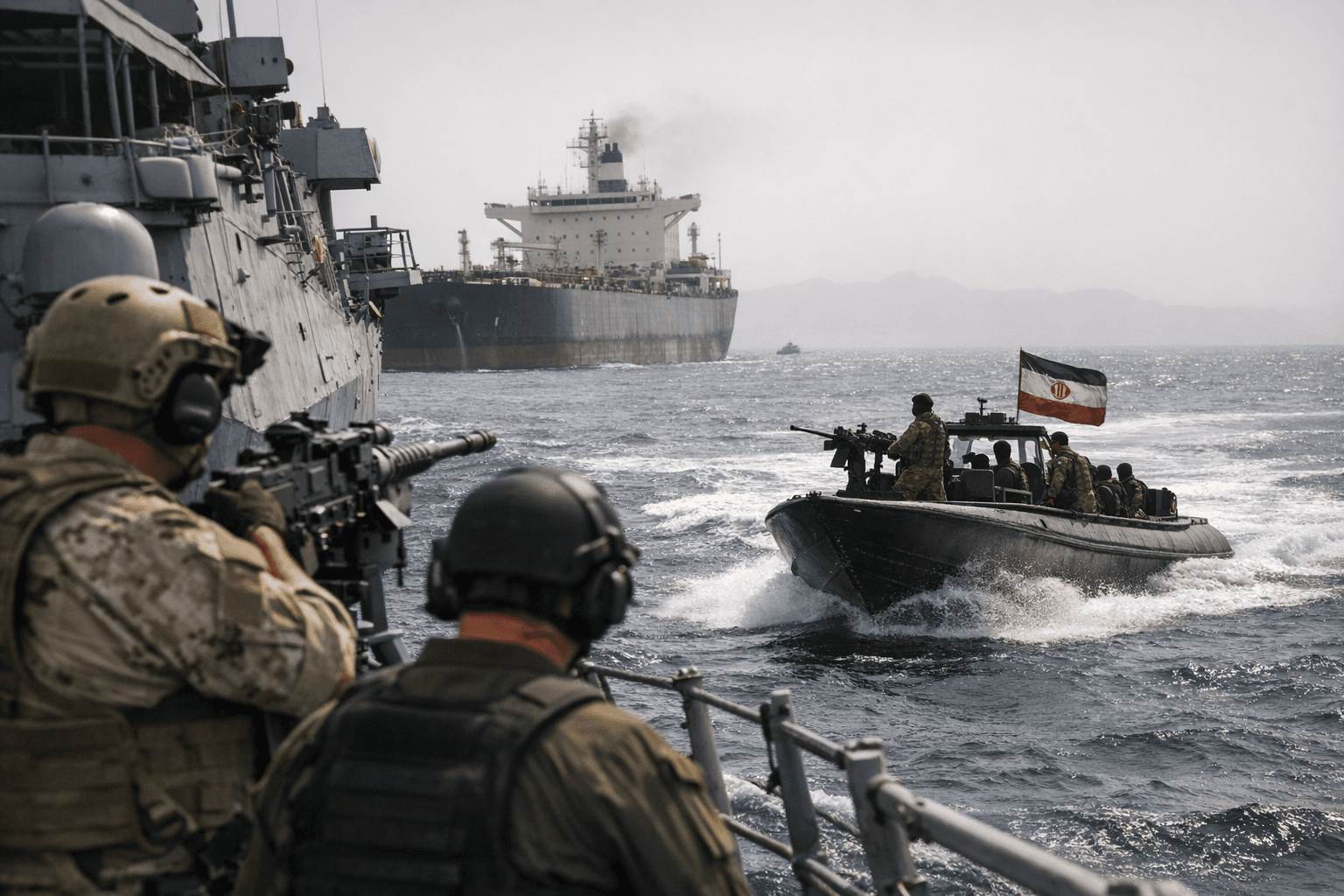
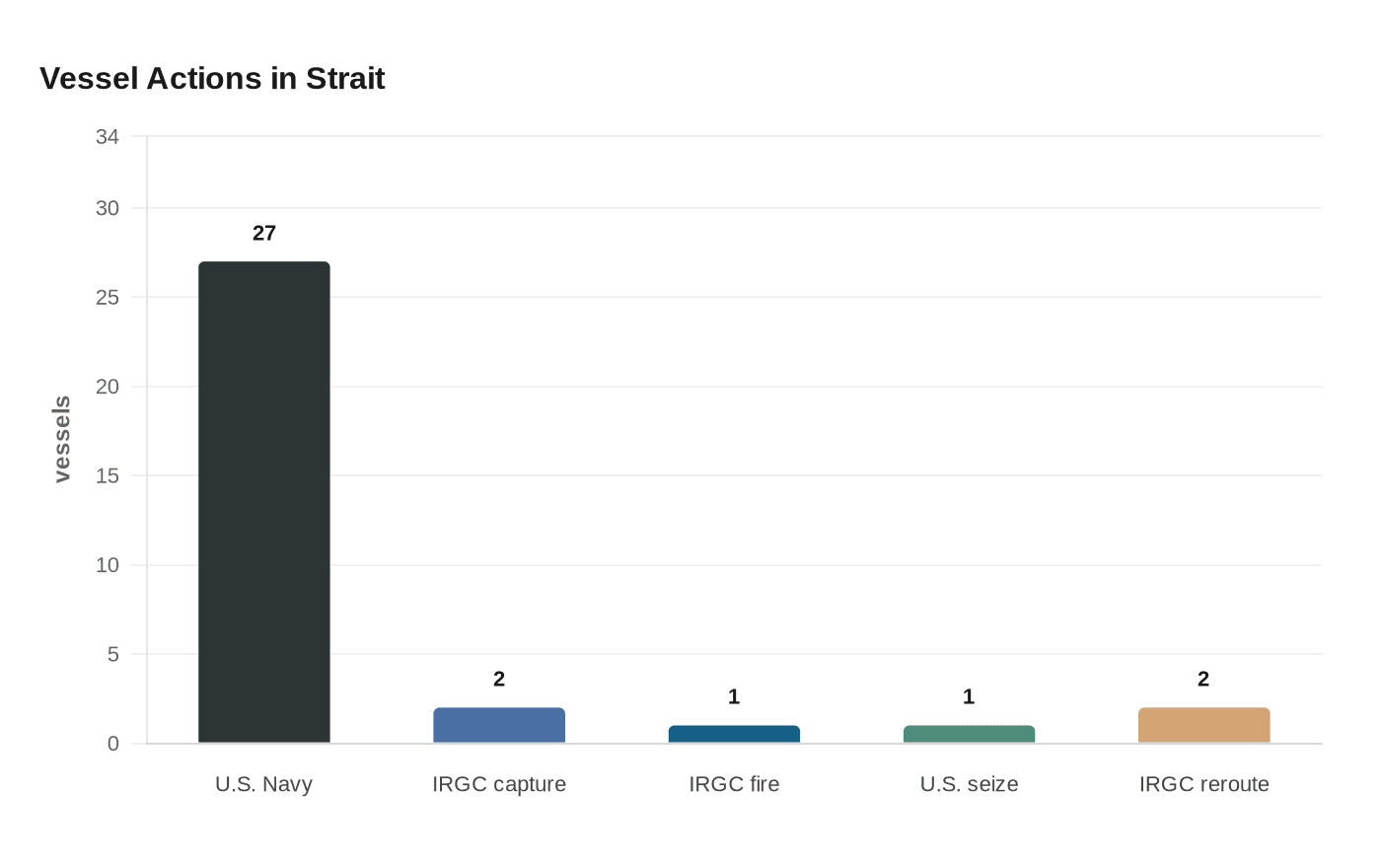
Every new vessel forced away from the Strait of Hormuz pushes the confrontation deeper into the global economy. The Institute for the Study of War said the U.S. Navy had directed 27 vessels to change course since the blockade began, while Iranian-linked ships were forced to turn back, turning a military standoff into a choke point for shipping, energy flows and the insurers that price risk across the Gulf.
The pressure rose again on April 22, when the Iranian Revolutionary Guard Corps said it captured two foreign vessels and fired on a third in the strait. Earlier, US forces had seized the Iranian-flagged Touska on April 19, and the IRGC had already forced the Botswana-flagged Meda and Angola-flagged G Summer to change course. The United Nations warned on April 13 that the blockade raised fears of global trade disruption after weekend US-Iran talks ended without agreement.
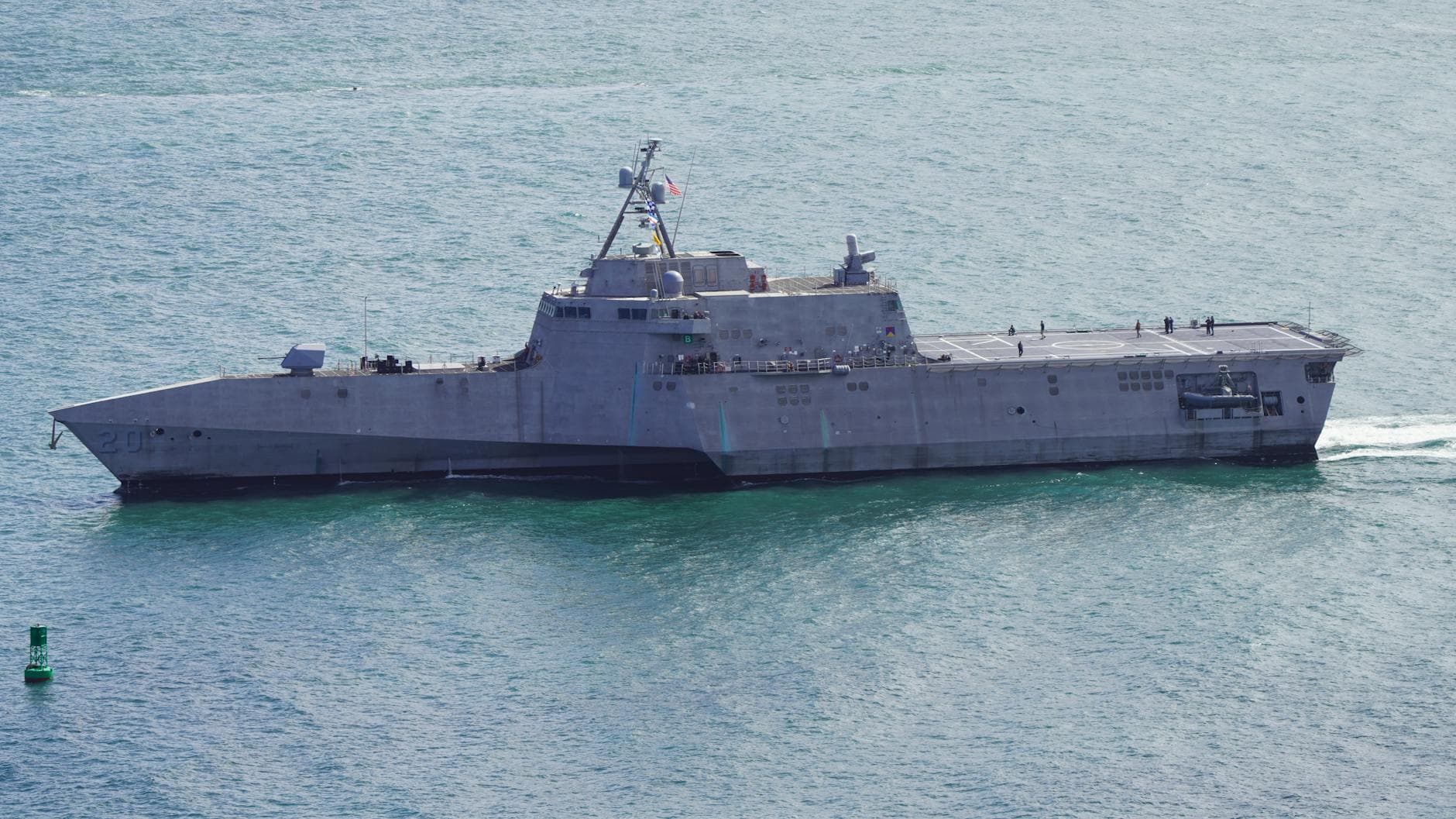
Iran’s parliament is now drafting a bill that would formalize tighter control over the waterway by banning Israeli-linked vessels, requiring approval for ships from hostile countries and blocking states that have damaged Iran until reparations are paid. That would harden the standoff around one of the world’s most important trade and energy corridors, where even short delays can ripple into higher freight costs, pricier insurance and more volatile energy markets for Europe and Asian importers.
Diplomacy has not broken the cycle. Iranian President Masoud Pezeshkian said Tehran wanted “dialogue and agreement,” but that “breach of commitments, blockade and threats” remained the main obstacles to negotiations. The Institute for the Study of War said US and Iranian delegations were expected to meet in Islamabad for a second round of talks, but both sides had held to the same demands, and an internal split was visible in Tehran as Parliament Speaker Mohammad Bagher Ghalibaf appeared to clash with hardliners such as IRGC Commander Ahmad Vahidi over negotiations with Washington.
The regional spillover is already stretching beyond the Gulf. Turkish President Recep Tayyip Erdogan told Germany’s Frank-Walter Steinmeier that the war in the region was “starting to weaken Europe,” warning that the damage would grow without a peace-oriented approach. On the same day, Lebanese journalist Amal Khalil was killed in an Israeli strike in southern Lebanon and freelance photographer Zeinab Faraj was wounded, underscoring how the blockade stalemate sits inside a broader war that has already pushed Lebanon’s death toll from Israeli airstrikes past 2,000.
This article was produced by Prism’s automated news system from verified source data, official records, and press releases, then run through automated quality and moderation checks before publishing. The system is built and supervised by the people who set the standards it runs under. Read our full AI policy.
Did this article answer your question?


