U.S. and Iran discuss interim deal to reopen Hormuz, curb uranium
Washington and Tehran were said to agree in principle on reopening Hormuz, but the uranium haul and final text were still unsettled.
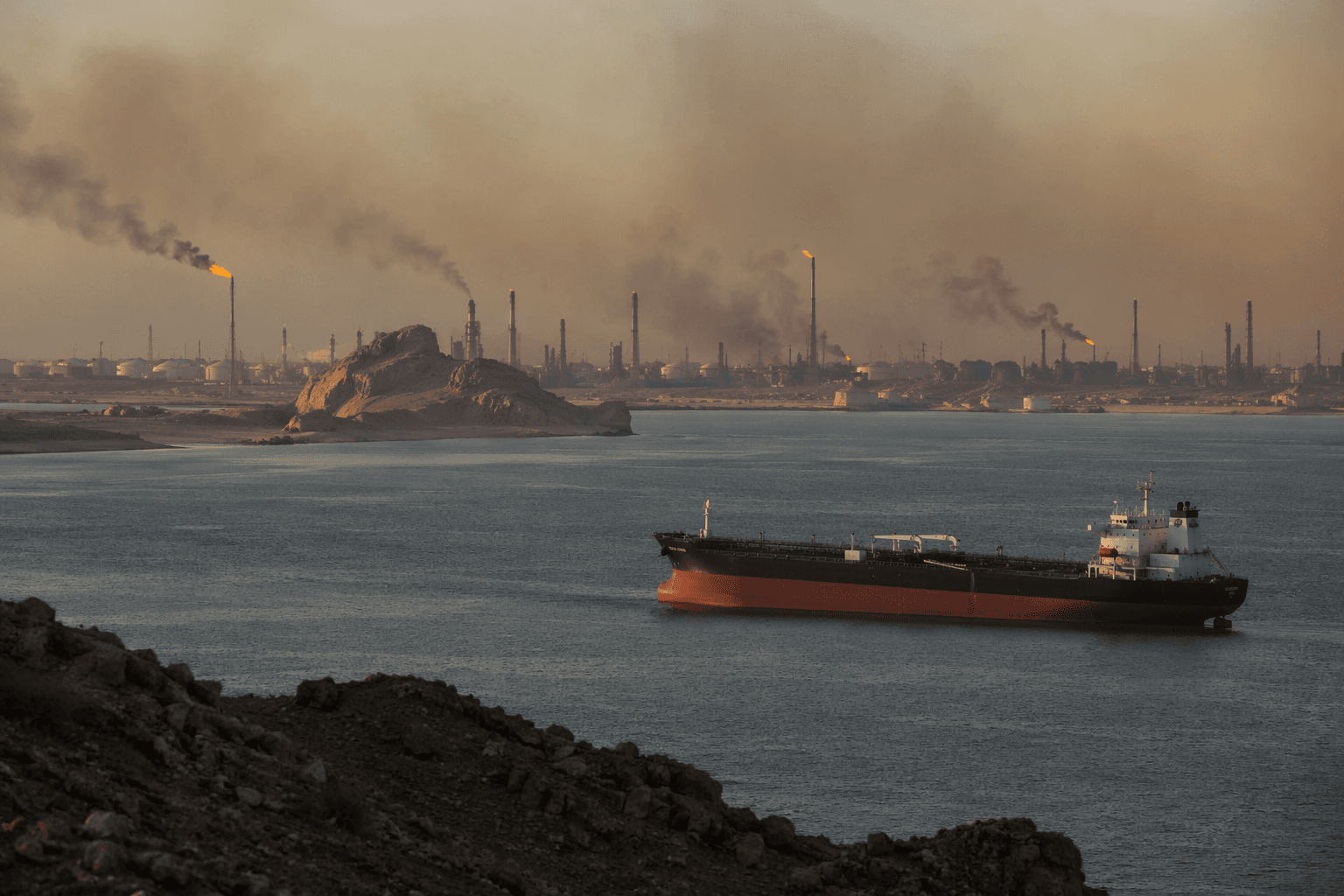
The United States and Iran moved closer to a limited interim accord that would reopen the Strait of Hormuz and require Tehran to dispose of highly enriched uranium, but a senior U.S. official said the deal had not been signed, leaving the most volatile pieces still unfinished.
The emerging framework being discussed is a 60-day memorandum of understanding or ceasefire extension. Under the outline, Iran would be allowed to resume oil exports, the strait would reopen, and a broader round of nuclear talks would follow. Some accounts said the arrangement would also include temporary sanctions relief during the two-month window, underscoring how much of the bargain still depends on short-term political commitments rather than a final legal settlement.
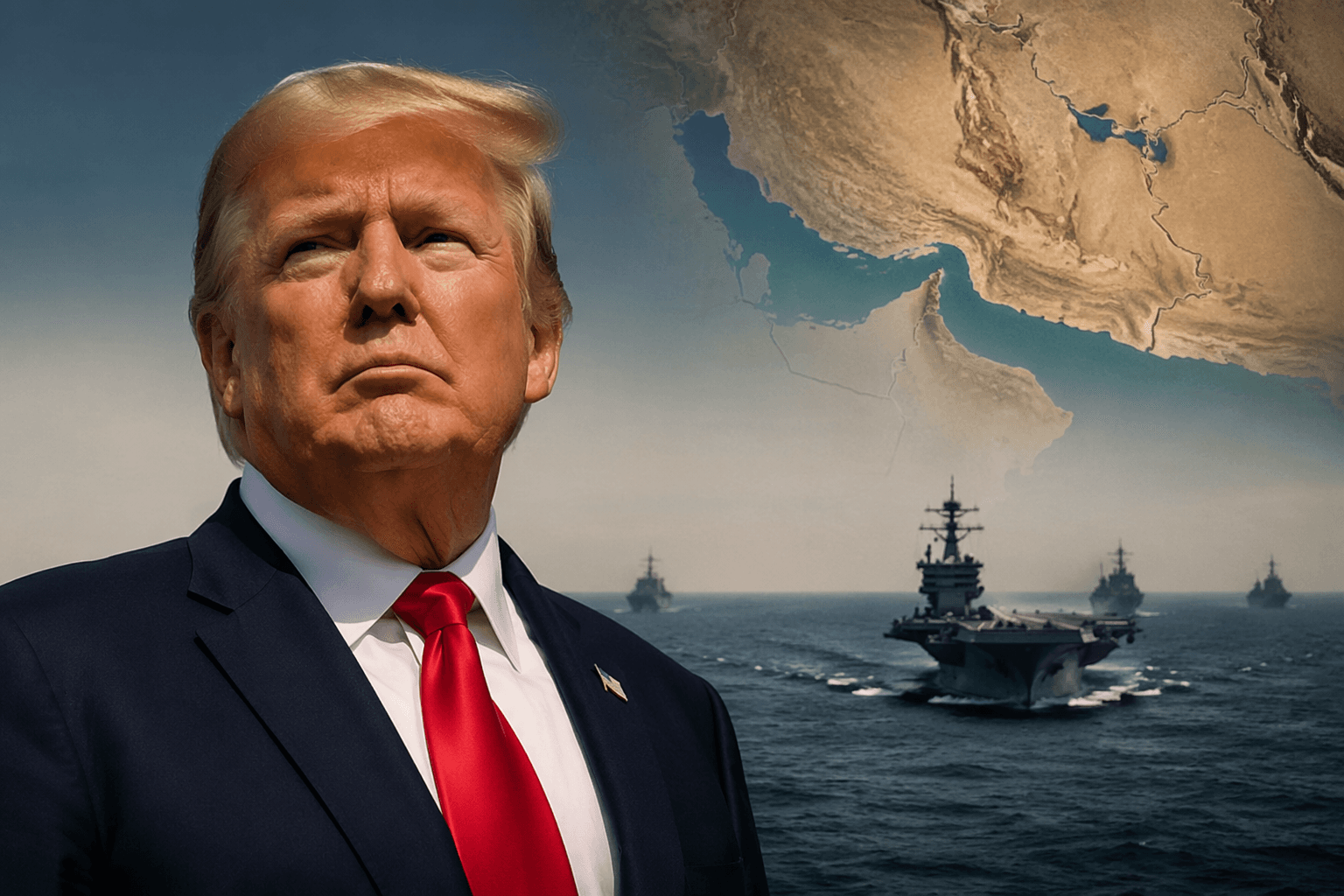
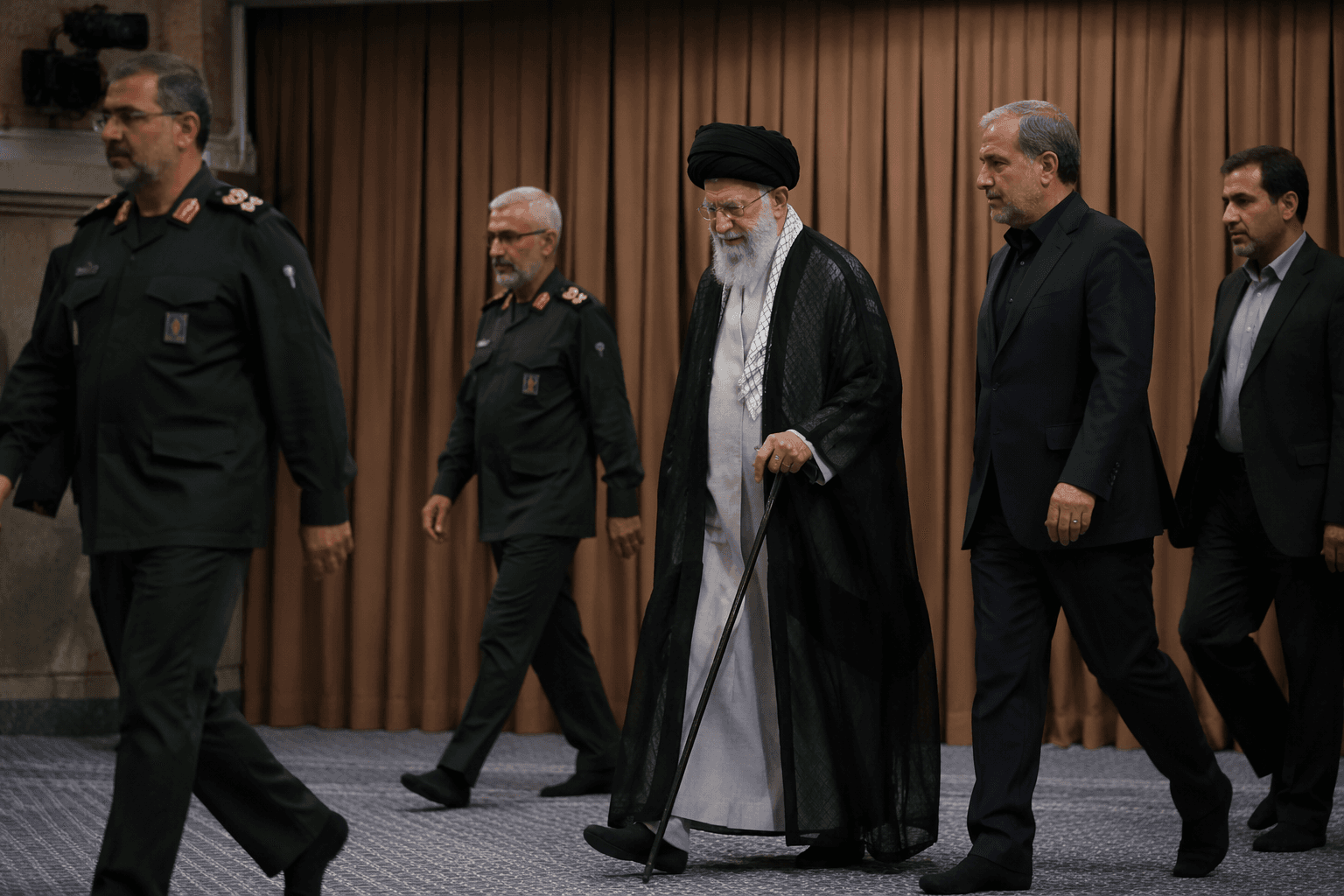
President Donald Trump described the accord as “largely negotiated,” but he also told his team not to rush, a sign that the White House sees momentum without yet claiming a done deal. The sharpest unresolved point remains Iran’s uranium stockpile. U.S. officials want Iran to commit to disposing of its highly enriched material, and negotiators are still working through the mechanism for how that would happen. Iranian sources said Supreme Leader Ayatollah Mojtaba Khamenei had ordered that the country’s near-weapons-grade uranium should not be sent abroad, raising the possibility that any final agreement could collapse over where, and under whose control, the material would be handled.
That dispute matters because the International Atomic Energy Agency said Iran held about 440.9 kilograms of uranium enriched to 60% before the attacks, a stockpile large enough, if further enriched, to support multiple nuclear weapons. The size of that inventory has made disposal, transport, or verified storage one of the central tests of whether this is a real breakthrough or only a pause in the confrontation.
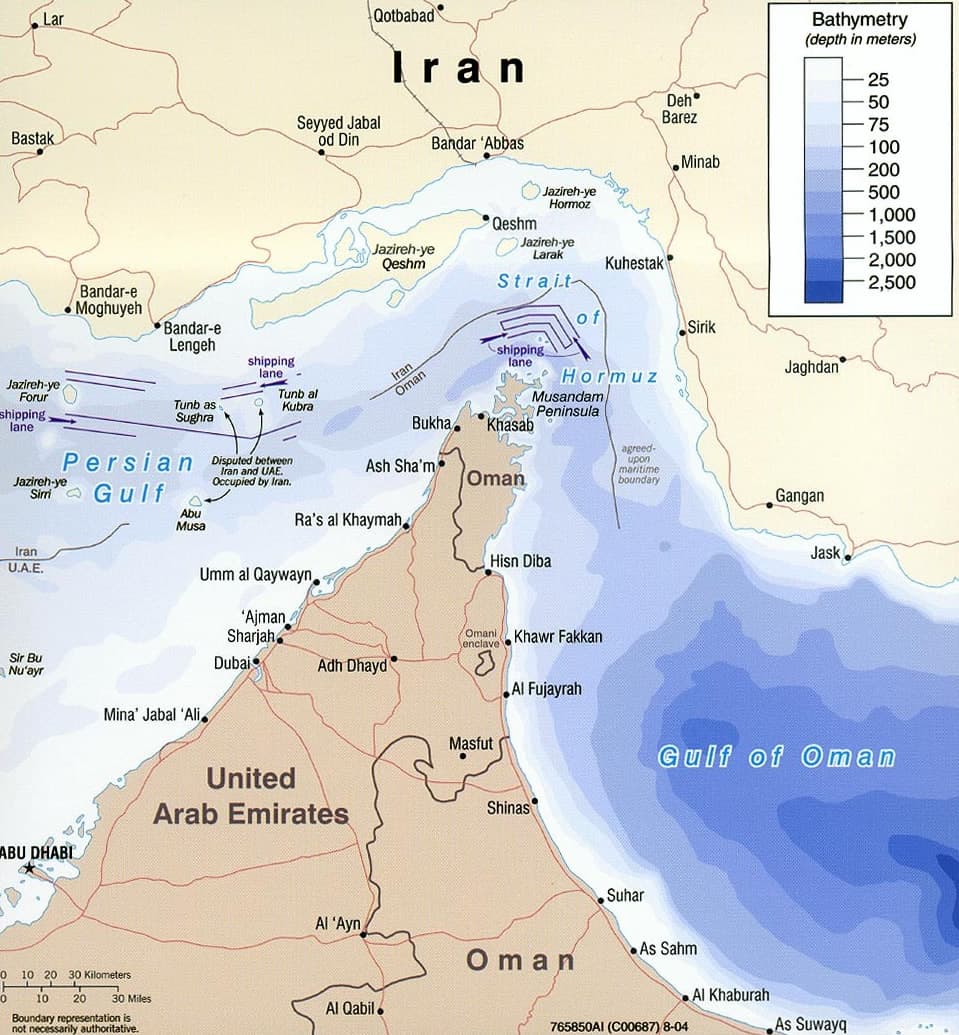
The shipping side of the deal is just as consequential. The Strait of Hormuz carries about a fifth of the world’s oil and liquefied natural gas flows, and its closure has already driven major disruption and volatility in energy markets. The talks are unfolding against a fragile ceasefire and a U.S. naval blockade of the waterway, with control over the strait giving both governments leverage. If the parties can bridge the gap between verbal commitments and enforceable terms, they could buy time for wider nuclear diplomacy. If not, the negotiations could unravel quickly, taking shipping security and the uranium issue down with them.
Know something we missed? Have a correction or additional information?
Submit a Tip