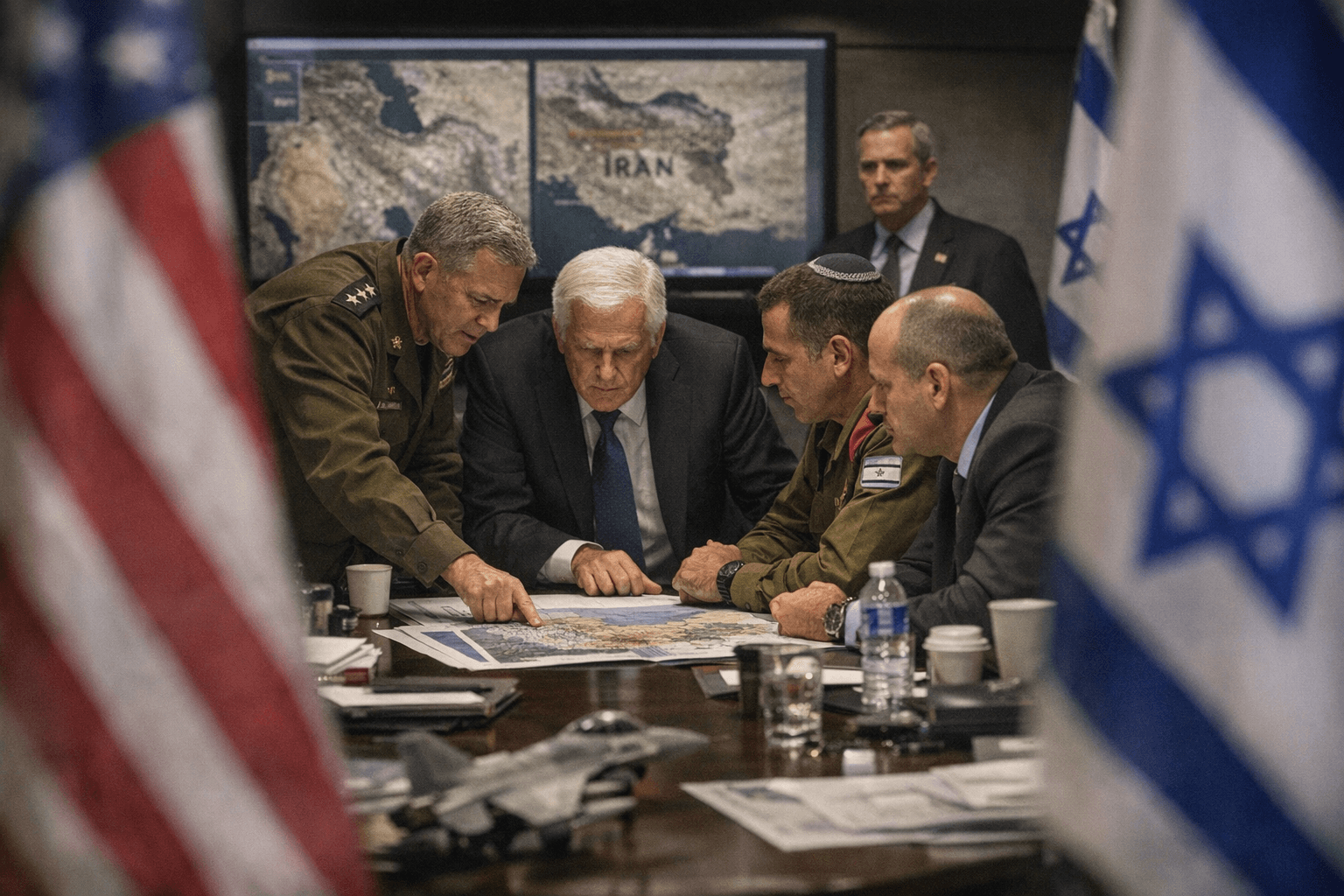
U.S. and Iran fail to strike deal in marathon Islamabad talks
After 21 hours in Islamabad, U.S. and Iranian negotiators left without a deal, leaving the Strait of Hormuz and a fragile ceasefire in limbo.

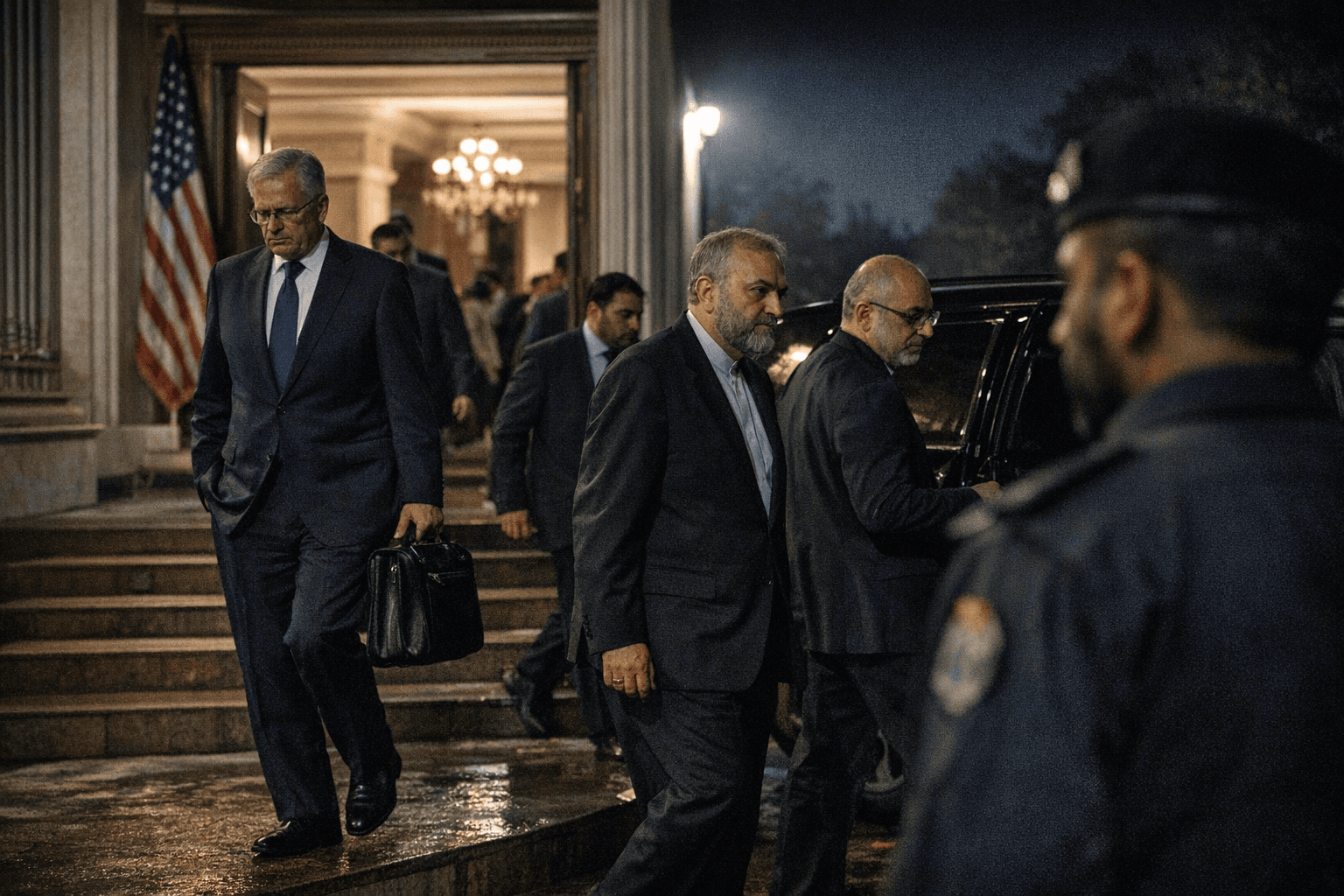
The marathon in Islamabad produced time, not movement. After roughly 21 hours of face-to-face talks, the United States and Iran left with their core dispute untouched: Washington demanded an affirmative commitment that Tehran would not seek a nuclear weapon or the means to build one quickly, while Iran refused the terms and pressed its own conditions on sanctions, assets and regional security.
Vice President J.D. Vance led the U.S. delegation in person, joined by Special Envoy Steve Witkoff and Jared Kushner. Vance said he spoke repeatedly with President Donald Trump and senior U.S. officials as the talks dragged on, and then said the sides “have not reached an agreement” because Iran “chose not to accept our terms.” He described the session as substantive, but said the United States had put forward a “final and best” proposal before departing without a deal.
Iran’s delegation, led by parliamentary speaker Mohammad Bagher Ghalibaf, framed the collapse differently. Iranian officials and state media blamed “excessive” and “unreasonable” U.S. demands and said Tehran had already put forward non-negotiable conditions. Those demands included control over the Strait of Hormuz, war reparations, the release of frozen assets and a wider ceasefire across Lebanon and other fronts, all of which Washington was unwilling to accept as presented.
Pakistan’s role as host bought the two sides a window, but not a bridge. Islamabad tightened security around the talks and set up a media facility for the delegations, while Prime Minister Shehbaz Sharif had urged both sides to preserve the ceasefire and keep the diplomatic channel alive. The talks were meant to reinforce the two-week ceasefire announced on April 8, after about six weeks of fighting that killed thousands and rattled the region.
The stakes extend far beyond the negotiating room. The Strait of Hormuz handles about 20 million barrels of oil and petroleum products a day, close to one-fifth of global petroleum consumption and about a quarter of seaborne oil trade. Any further disruption would quickly feed through energy markets, threaten inflation and complicate planning for U.S. allies and other import-dependent countries already watching shipping lanes, insurance costs and military posture.
For now, the result is a narrow and fragile pause rather than a settlement. Backchannel diplomacy may still produce a phased arrangement on Hormuz, assets or nuclear verification, but the Islamabad session exposed how wide the gap remains. Without movement on the nuclear issue and Iran’s broader demands, the ceasefire stays exposed and the risk of a sharper escalation remains high.
Sources:
Know something we missed? Have a correction or additional information?
Submit a Tip