U.S. and Iran near secret ceasefire deal, Strait of Hormuz to reopen
Oil could start moving through the Strait of Hormuz again as Washington and Tehran set a 60-day ceasefire framework, but Iran's nuclear file was left for later talks.

The most immediate change from the U.S.-Iran breakthrough is practical and global: tankers would again move through the Strait of Hormuz, easing a chokepoint that shapes oil prices and military risk across the Middle East. The deal is still a framework, not a final peace agreement, and its terms remain secret. Pakistan’s Prime Minister Shehbaz Sharif said the formal signing ceremony would be held Friday, June 19, in Geneva, Switzerland.
The initial accord was reached June 15, 2026, and it extends the shaky ceasefire for 60 days while opening a new round of negotiations. President Donald Trump declared on Truth Social that the deal was “complete,” while Iranian Deputy Foreign Minister Kazem Gharibabadi said the memorandum of understanding had been finalized and would take effect from Friday. The language matters: the sides have agreed to a process, not a settled end to the conflict.
The biggest unresolved issue is Iran’s nuclear program, which was pushed into later talks rather than resolved in the initial agreement. That leaves the current arrangement exposed to the same disputes that kept the ceasefire fragile in the first place. The broader question is whether the accord marks a genuine de-escalation or only a 60-day pause while each side tests the other’s limits.
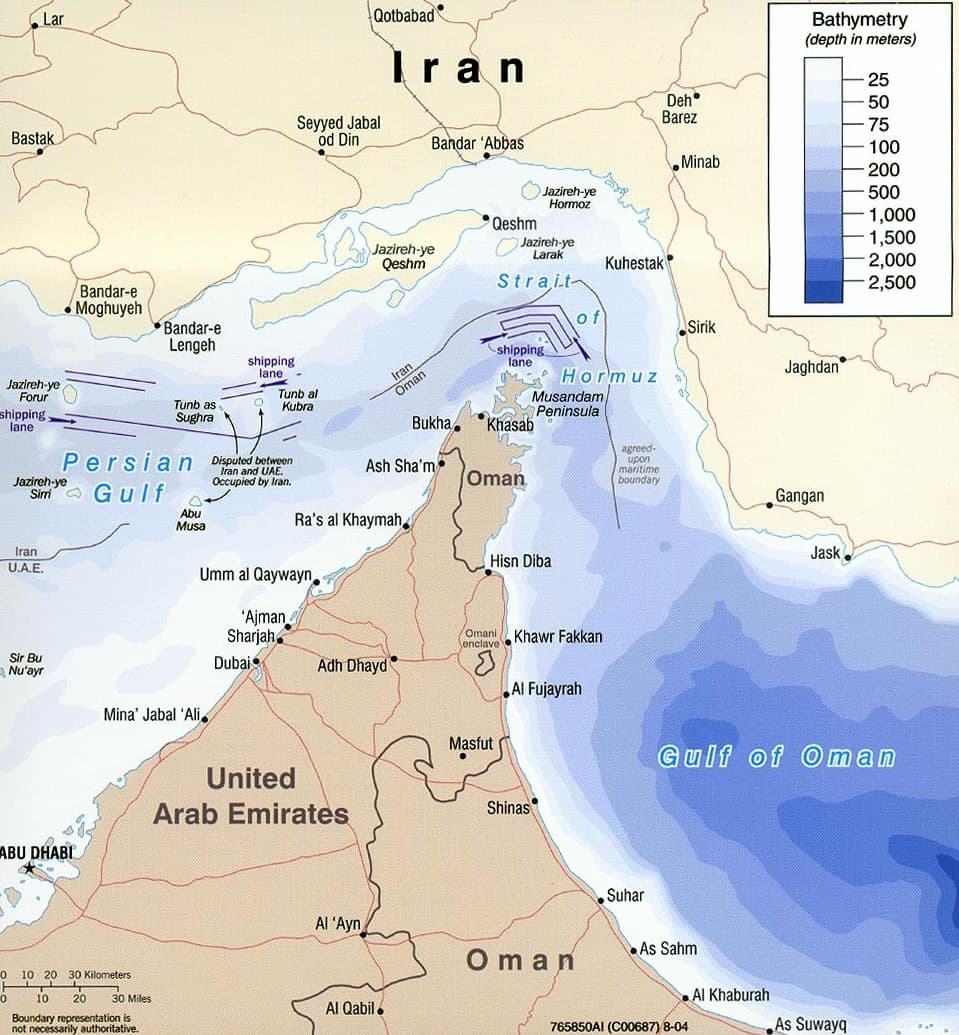
Markets reacted quickly. The Strait of Hormuz is one of the world’s most important energy chokepoints, and reports said oil prices fell after the announcement. For Americans, that could matter fastest at the pump and in shipping costs if the pause holds. For Washington, the agreement is a bet that reduced pressure in the Gulf will also lower the chance of a wider regional shock.
That uncertainty is heightened by fighting elsewhere in the region. One of the major unresolved questions is whether Israel will continue its offensive in Lebanon, while Israeli attacks in Beirut targeting Hezbollah infrastructure have continued to complicate the diplomatic track. If the ceasefire survives the next 60 days, the result could be a narrower conflict and safer shipping lanes. If it fails, the secret framework will be remembered less as a breakthrough than as a brief pause around the world’s most sensitive oil route.
This article was produced by Prism’s automated news system from verified source data, official records, and press releases, then run through automated quality and moderation checks before publishing. The system is built and supervised by the people who set the standards it runs under. Read our full AI policy.
Know something we missed? Have a correction or additional information?
Submit a Tip