U.S. and Iran say no deal yet on Hormuz ceasefire talks
Iran and the U.S. are talking about a 60-day ceasefire, but both sides still say the deal is unfinished as Hormuz shipping stays disrupted.

Washington and Tehran were still far apart on Thursday, even as Vice President JD Vance said the two sides were “not there yet” on an agreement but “very close.” The understanding under discussion would extend the ceasefire for 60 days and reopen shipping through the Strait of Hormuz, but final approval from President Donald Trump had not been given.
Iran pushed back against the upbeat language. Foreign ministry spokesperson Esmaeil Baghaei said many issues in the proposed memorandum had been discussed, but that did not mean Tehran was close to signing. Iranian state media also said no agreement had been finalized or confirmed, underscoring the gap between the diplomatic tone and the state of the talks.
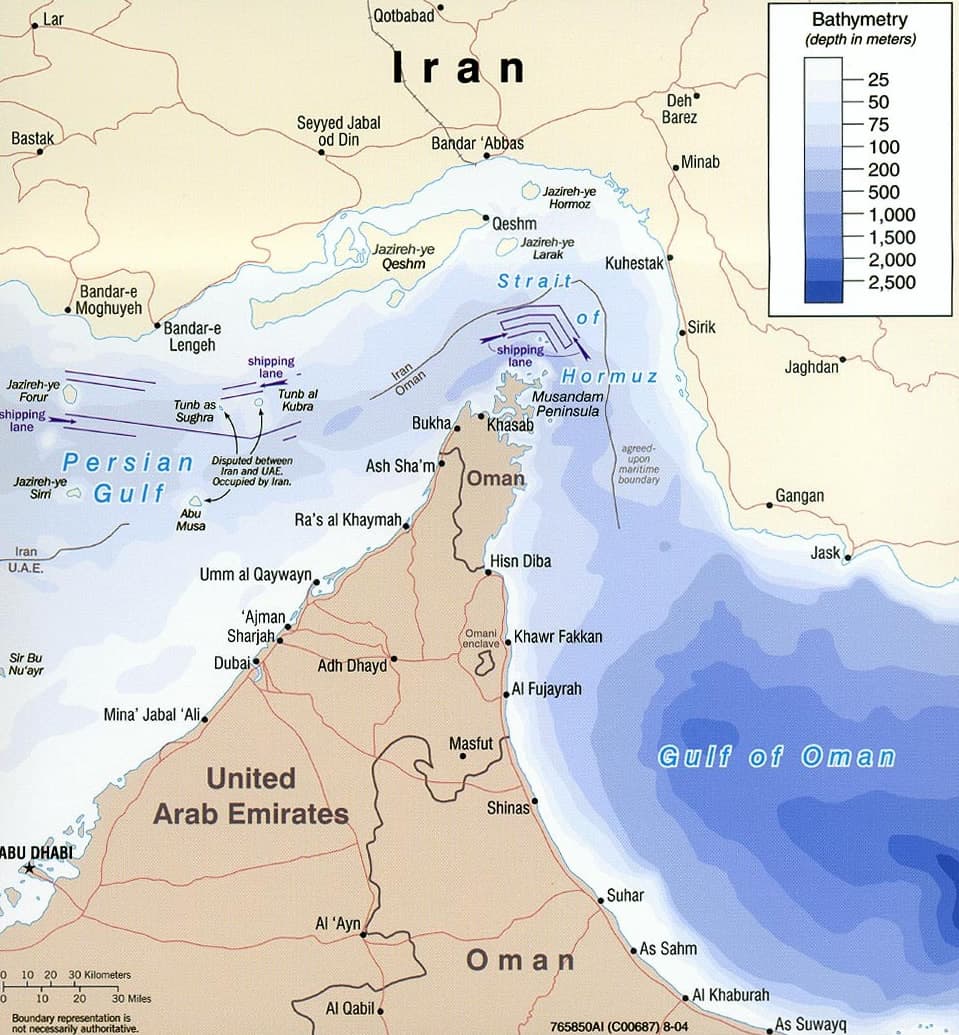
The negotiations were being carried out indirectly through Pakistan, while Secretary of State Marco Rubio met Pakistani officials as the channel stayed open. That mediation matters because the Strait of Hormuz is one of the world’s most important energy chokepoints, and any arrangement to restore traffic there would immediately affect oil shipping, insurance costs and market expectations across the region.
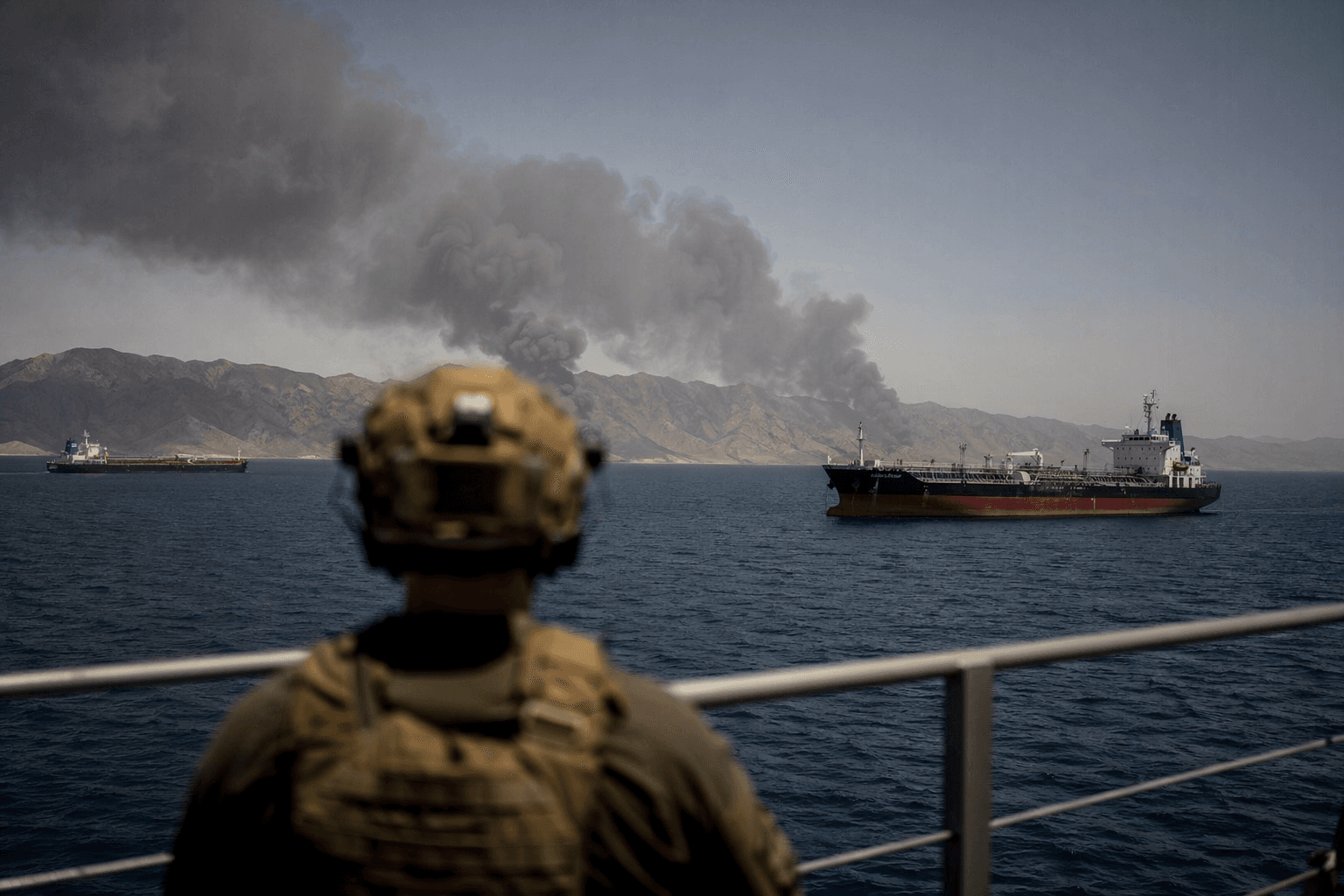
The broader backdrop remained volatile. The U.S. government has already sanctioned Iran’s newly created agency that is trying to control shipping through the strait, a sign that Washington is still using pressure even as it talks. Vance said the U.S. could substantially set back Iran’s nuclear program if the discussions collapse, linking the maritime standoff directly to the wider nuclear dispute.
The fragility of any deal was also clear in Lebanon, where Israel intensified operations and the conflict continued to climb in human cost. United Nations humanitarian reporting said 2,896 people had been killed and 8,824 injured there as of May 14. A later U.N. update put the toll at 3,213 dead and 9,737 wounded since March 2, numbers that show how quickly the regional crisis has expanded even as diplomats speak of progress.
For now, “very close” still leaves the critical questions unanswered: who controls compliance, how long the ceasefire would hold, whether shipping would truly resume, and whether Trump will sign off on a deal that remains fragile enough to be overturned by the next escalation.
This article was produced by Prism’s automated news system from verified source data, official records, and press releases, then run through automated quality and moderation checks before publishing. The system is built and supervised by the people who set the standards it runs under. Read our full AI policy.
Did this article answer your question?