U.S. and Iran hold Qatar talks after ceasefire strains
Fresh strikes put Doha talks on a knife-edge as Washington and Tehran disagreed over whether a direct meeting had even been set.
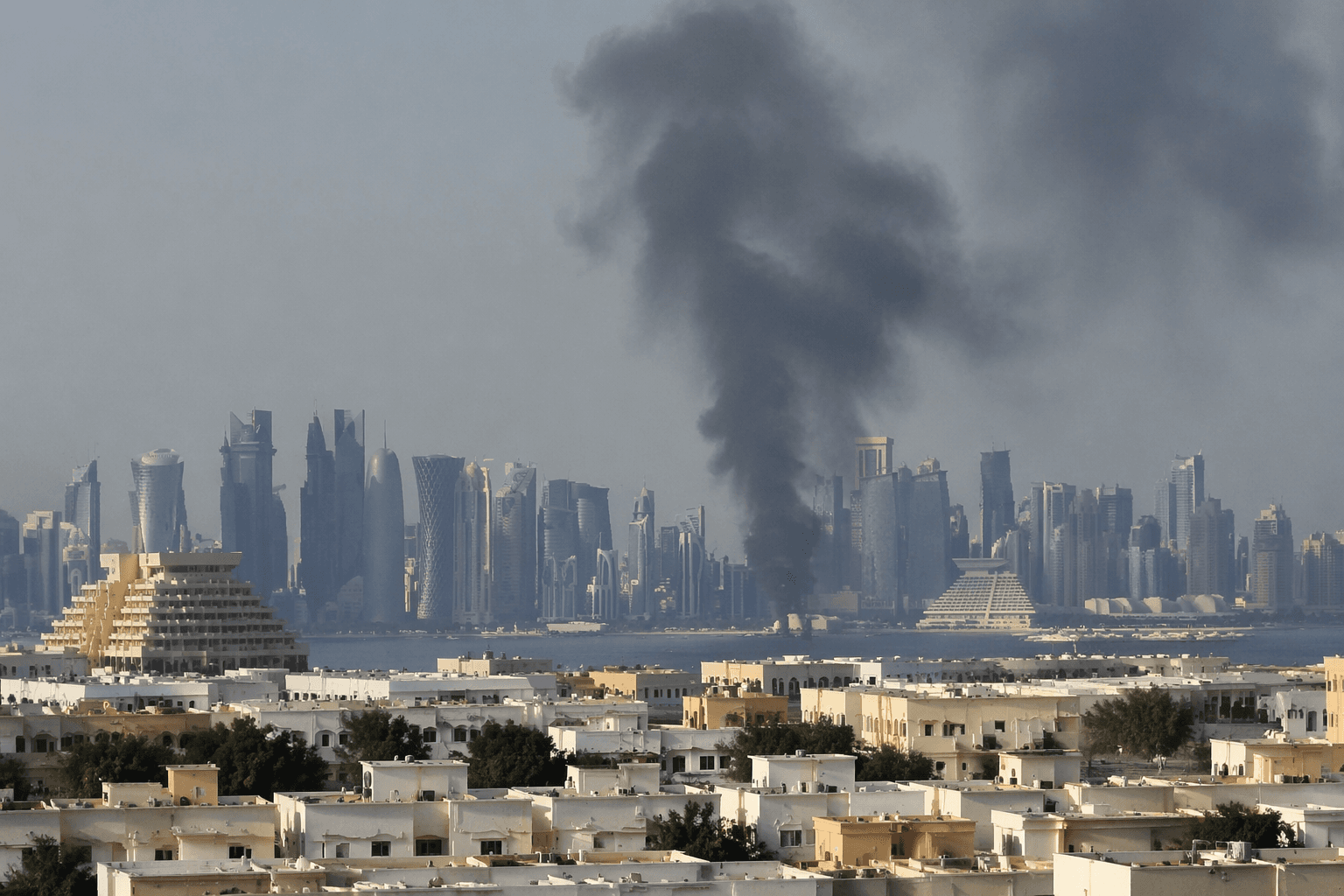
American and Iranian officials were in Doha under pressure from fresh missile fire and strikes that threatened to unravel a fragile ceasefire and the wider peace track. President Donald Trump said the United States would meet Iran in Qatar on Tuesday, June 30, but Iranian Foreign Ministry spokesman Esmaeil Baghaei said no meeting had been scheduled at any level.
Qatar’s role as mediator again put Doha at the center of the crisis. The talks followed high-level negotiations in Switzerland on June 21, where mediators from Qatar and Pakistan said the United States and Iran had agreed to a roadmap for a final deal within 60 days and established a communication line to avoid incidents in the Strait of Hormuz.
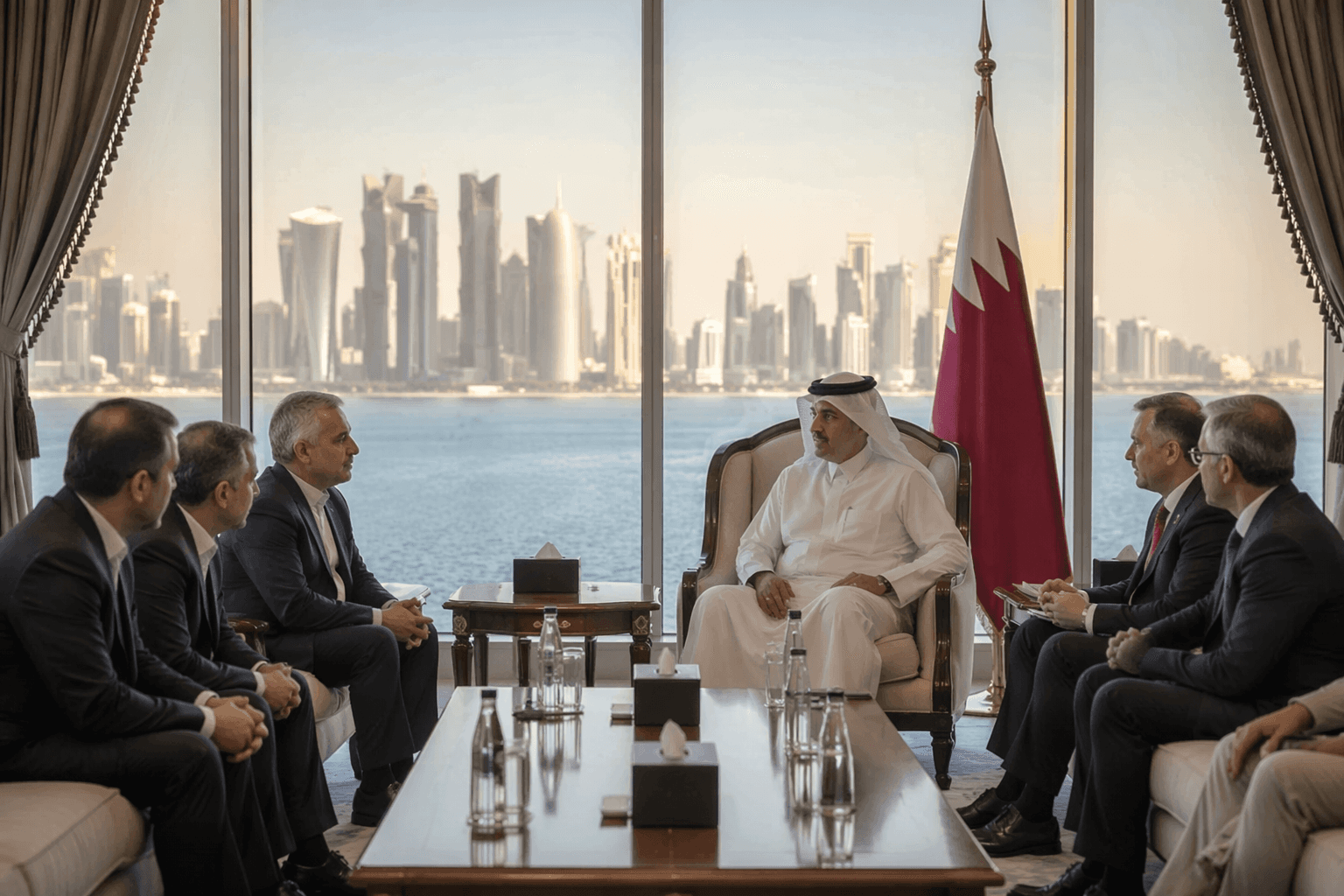
The Washington side was expected to be led by special envoy Steve Witkoff, with White House press secretary Karoline Leavitt saying Jared Kushner would also represent the United States. Iranian President Masoud Pezeshkian said the interim arrangement would include the release of $6 billion in frozen Iranian assets held in Qatar, a concrete concession that underscored what Tehran wanted most out of the process.
The dispute over whether the meeting was actually on the calendar exposed the gap between public statements and the minimum trust required to keep the talks alive. Iranian and U.S. negotiating teams were due in Doha in the coming days, but the timing was thrown into doubt as weekend fire from both sides tested the ceasefire. The focus in Doha was less on Iran’s nuclear program than on de-escalation and maritime security in the Strait of Hormuz, a chokepoint that carries a major share of global oil trade.
Months of war and tit-for-tat attacks had already strained the arrangement, and the latest fighting raised the risk that the ceasefire would collapse before any final deal could take hold. For both sides, the immediate test was not a sweeping peace agreement but whether enough could be salvaged in Doha to keep the channel open, preserve the asset release, and prevent the Gulf from sliding back toward a broader regional conflict.
This article was produced by Prism’s automated news system from verified source data, official records, and press releases, then run through automated quality and moderation checks before publishing. The system is built and supervised by the people who set the standards it runs under. Read our full AI policy.
Did this article answer your question?