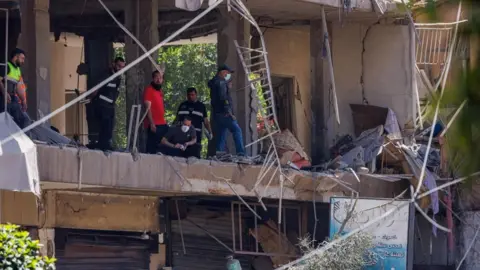
U.S. and Iran signal framework peace deal could be signed Sunday
A Sunday framework would reopen the Strait of Hormuz and leave 60 days for nuclear talks, but Tehran still had not locked the timing or final terms.

A framework peace deal between the United States and Iran was close enough to draw talk of a Sunday signing, but the opening bargain was still narrow: reopen the Strait of Hormuz, lower the risk of immediate escalation and buy about 60 days for the harder nuclear issues. The result would be less a final settlement than a pressure valve, with Washington and Tehran each giving up something important while leaving the most sensitive questions unresolved.
Mike Waltz said on ABC’s This Week that President Donald Trump had “every intent” for a preliminary framework to be signed Sunday, June 14, and that U.S. negotiators were “confident” the deal would happen. He added that the two sides had “every intent of getting this done today,” while also saying the Iranians were “incredibly difficult negotiators” who were struggling to get clear guidance from their supreme leader and were not always aligned within their own team.

Trump had said Saturday that the deal would be signed Sunday, but Iran did not confirm that timetable. Iranian Foreign Ministry spokesperson Esmaeil Baqaei said the memorandum of understanding could be finalized in the coming days, but not on Sunday. Iranian Foreign Minister Abbas Araqchi also signaled that changes were still possible, leaving the agreement vulnerable to last-minute revisions.
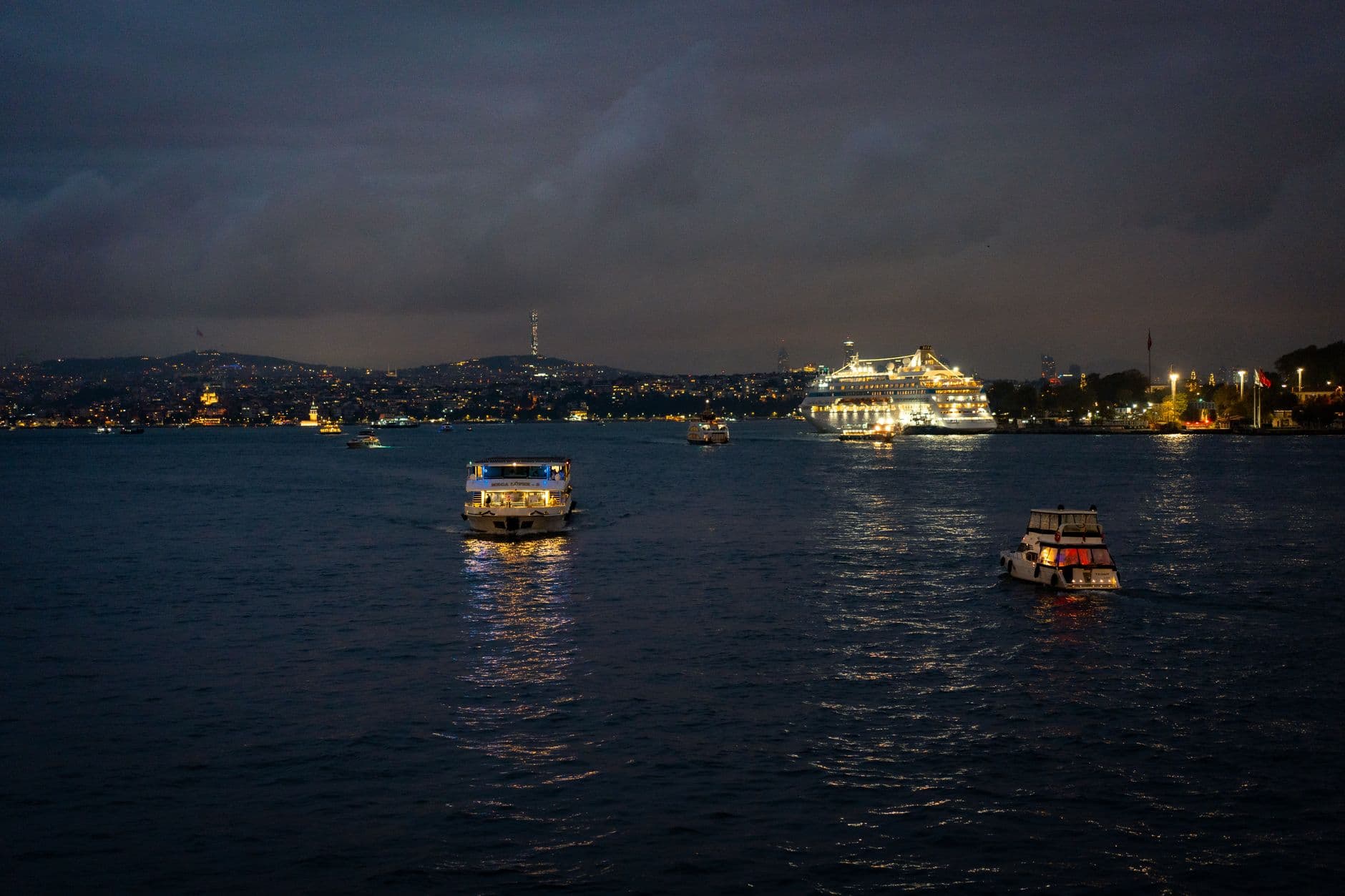
The shape of the deal matters far beyond diplomacy. Reopening the Strait of Hormuz would ease pressure on one of the world’s most critical oil chokepoints, a shift with immediate implications for global energy markets and for Americans already watching gasoline and grocery prices. The reported framework would also leave the two sides roughly 60 days to negotiate the remaining details of Iran’s nuclear program, a timeline Wendy Sherman said was unusually short for a technical settlement. Sherman said the current moment differed from the 2015 nuclear accord because of war, higher uranium stockpiles, and the broader economic toll of the conflict, and argued that a deal of this kind usually needs a much larger expert team and more time.
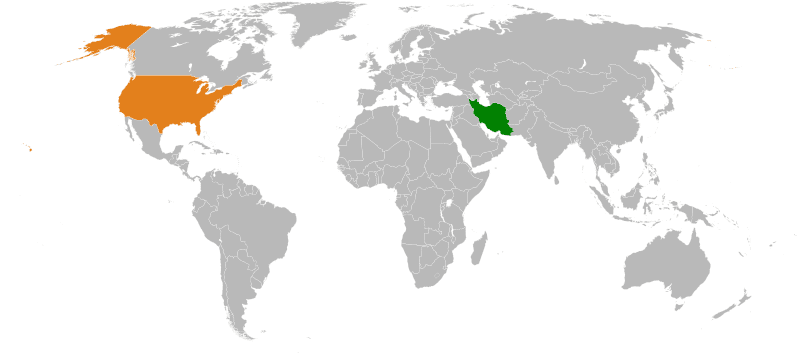
Pakistan’s Prime Minister Shehbaz Sharif described the talks as a framework peace deal and said Islamabad was preparing for an electronic signing Sunday, followed by technical-level talks next week. Inside Iran, hardline critics protested in Mashhad against Araqchi, while Israeli officials were reported to be deeply concerned that the arrangement left key security questions unresolved. Netanyahu planned to convene his security cabinet Sunday evening, underscoring how quickly the first test of any deal would come from allies who fear a temporary framework may prove more symbolic than durable.
This article was produced by Prism’s automated news system from verified source data, official records, and press releases, then run through automated quality and moderation checks before publishing. The system is built and supervised by the people who set the standards it runs under. Read our full AI policy.
Know something we missed? Have a correction or additional information?
Submit a Tip