U.S. and Iran trade strikes across Middle East, ceasefire at risk
U.S. strikes on Iran set off alarms in Bahrain, Kuwait, Qatar and Jordan, testing a fragile truce and raising the risk of a wider regional war.

The United States launched new airstrikes against Iran early Thursday, and Tehran answered by targeting U.S.-allied countries across the Middle East. Sirens sounded at least three times in Bahrain, including near the U.S. Navy’s 5th Fleet headquarters, while missiles were aimed at Kuwait and Qatar and alarms also went off in Jordan.
Iran’s Health Ministry said the two days of American strikes killed at least 14 people and wounded 78, most of them members of the armed forces. Kuwait said falling debris wounded one person after its forces shot down three ballistic missiles, a cruise missile and 10 drones. Bahrain said it intercepted incoming fire, and Jordanian officials said all missiles aimed at the kingdom were intercepted. There was no immediate word of damage in Qatar.
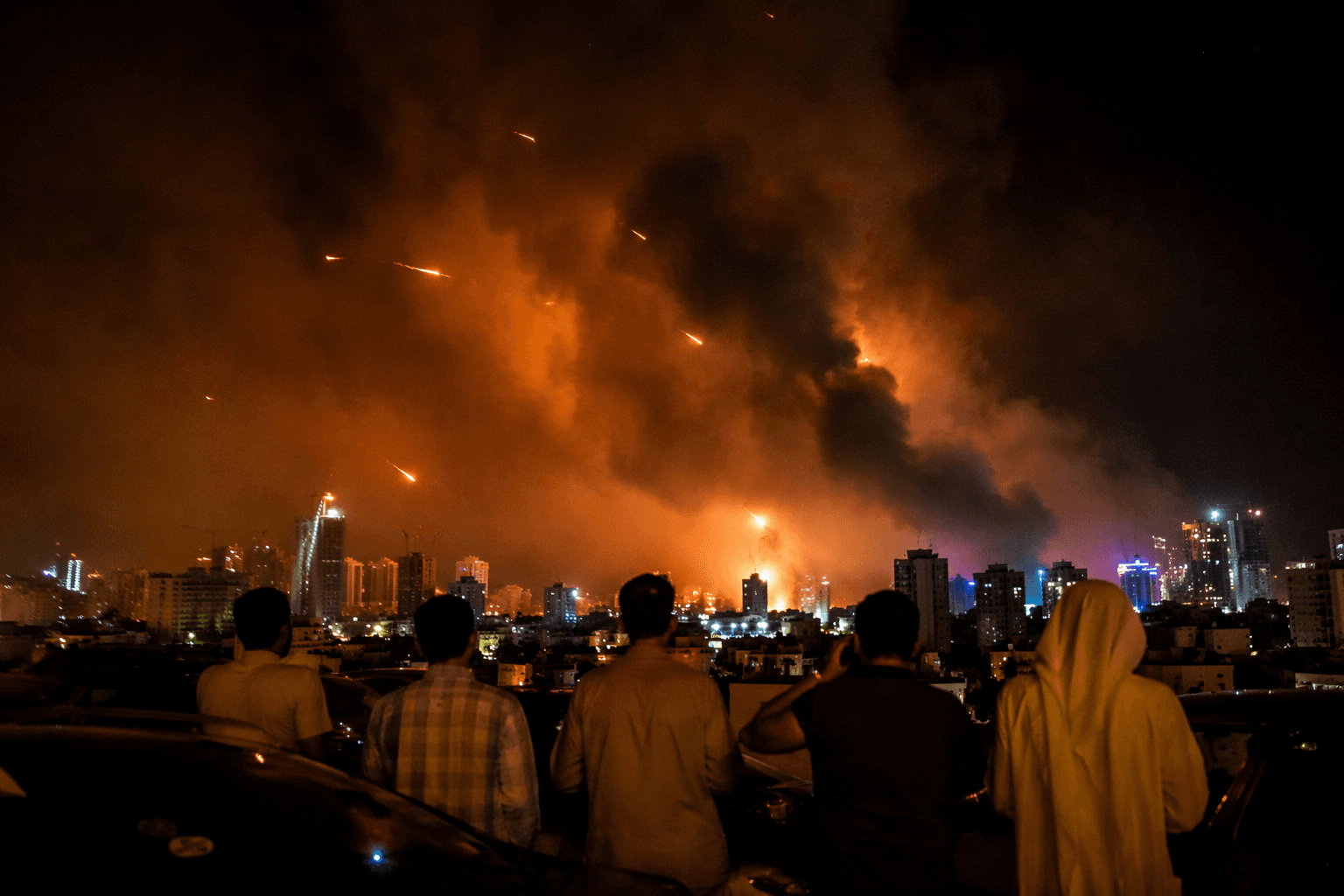
U.S. Central Command said it struck about 90 targets across Iran. Its aim was to further degrade Iran’s ability to threaten freedom of navigation in the Strait of Hormuz, the narrow waterway that before the war carried roughly one-fifth of the world’s traded oil and natural gas. The escalation came hours after President Donald Trump said recent Iranian attacks on ships in the strait had ended the ceasefire and warned of further action if the strikes did not stop.
Israel and the United States launched airstrikes against Iran on Feb. 28, 2026. Iran then hit U.S. bases in the region, Israel and sites in neighboring states, and closed the Strait of Hormuz. Fighting continued across the Middle East until Pakistan announced a two-week pause on April 8.
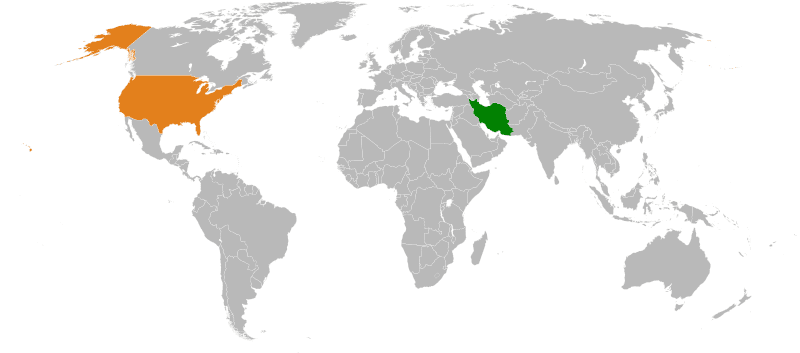
On June 17, the United States and Iran signed a 14-point memorandum of understanding covering 60 days of talks on the Strait of Hormuz, Iran’s nuclear and missile programs and sanctions. Pakistan has served as a mediator between the two sides.
This article was produced by Prism’s automated news system from verified source data, official records, and press releases, then run through automated quality and moderation checks before publishing. The system is built and supervised by the people who set the standards it runs under. Read our full AI policy.
Did this article answer your question?