US and Iranian Forces Race to Recover Pilot as Israel Bombards Beirut
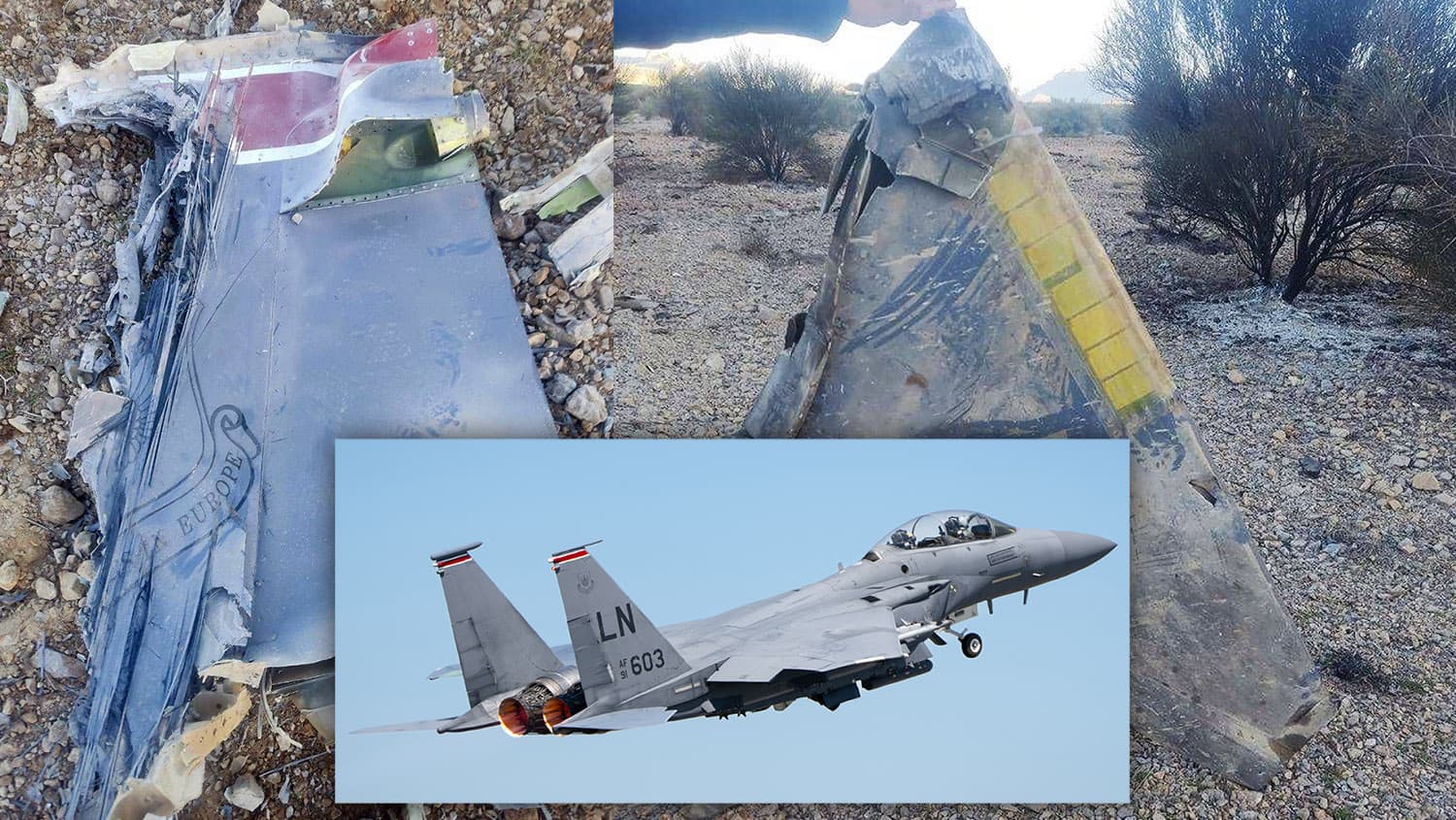
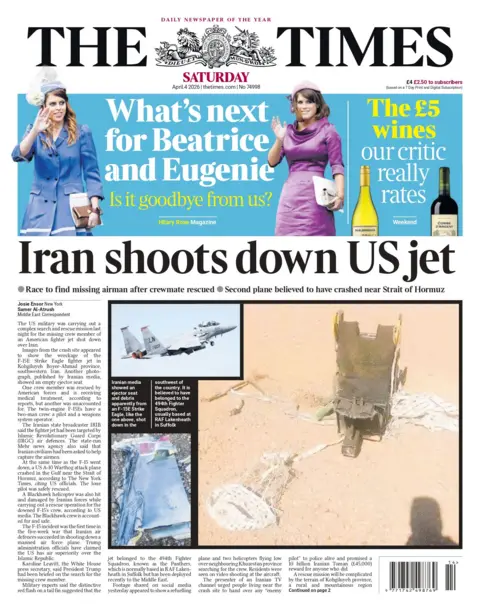
Iran shot down a US F-15E Strike Eagle over central Iran Friday, leaving one crew member missing as Iranian forces offered a $60,000 bounty and fired on US rescue helicopters.
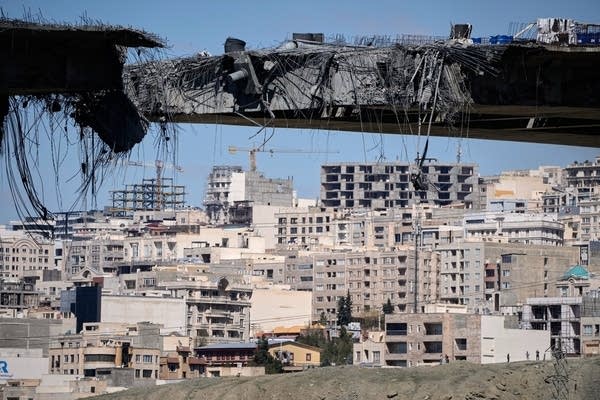
An F-15E Strike Eagle went down over Iran on Friday, with the Islamic Revolutionary Guard Corps claiming responsibility for shooting down what it described as an American fighter jet and setting off one of the most dangerous search-and-rescue operations of the six-week-old war. The two-seat aircraft's crew was split by the rescue effort: one service member was recovered, but a search remained ongoing for the second.
The IRGC's claim, published via the semi-official Tasnim News Agency, said Iranian forces shot down a "fighter jet in the central sky of Iran by the new advanced aerospace defense system of the Guards." The statement mistakenly identified the aircraft as an F-35. Iranian state media moved quickly to mobilize the public against the recovery effort: a channel affiliated with Iranian state television urged residents to hand over any "enemy pilot" to police and promised a reward for doing so. That bounty was later specified at roughly $60,000, or 10 billion tomans, according to verified open-source intelligence tracking the offers in real time.
The race to find the missing crew member turned lethal almost immediately. Armed Iranian men fired at US helicopters conducting the search-and-rescue operation, footage verified by NBC News showed. Two search-and-rescue helicopters were hit, injuring their crews, before safely returning to base. The helicopter that had already retrieved the recovered crew member was struck by small arms fire. It landed safely, with all crew members receiving initial medical treatment before being transported for further care.
The losses did not stop there. A US A-10 Thunderbolt II attack plane, deployed to support the rescue effort, was also shot down by hostile fire. The pilot ejected and reached Kuwaiti airspace before the aircraft crashed. Myles Caggins, a retired US Army colonel and senior fellow at the New Lines Institute, called the downing of the original jet a "significant event" for the US military.
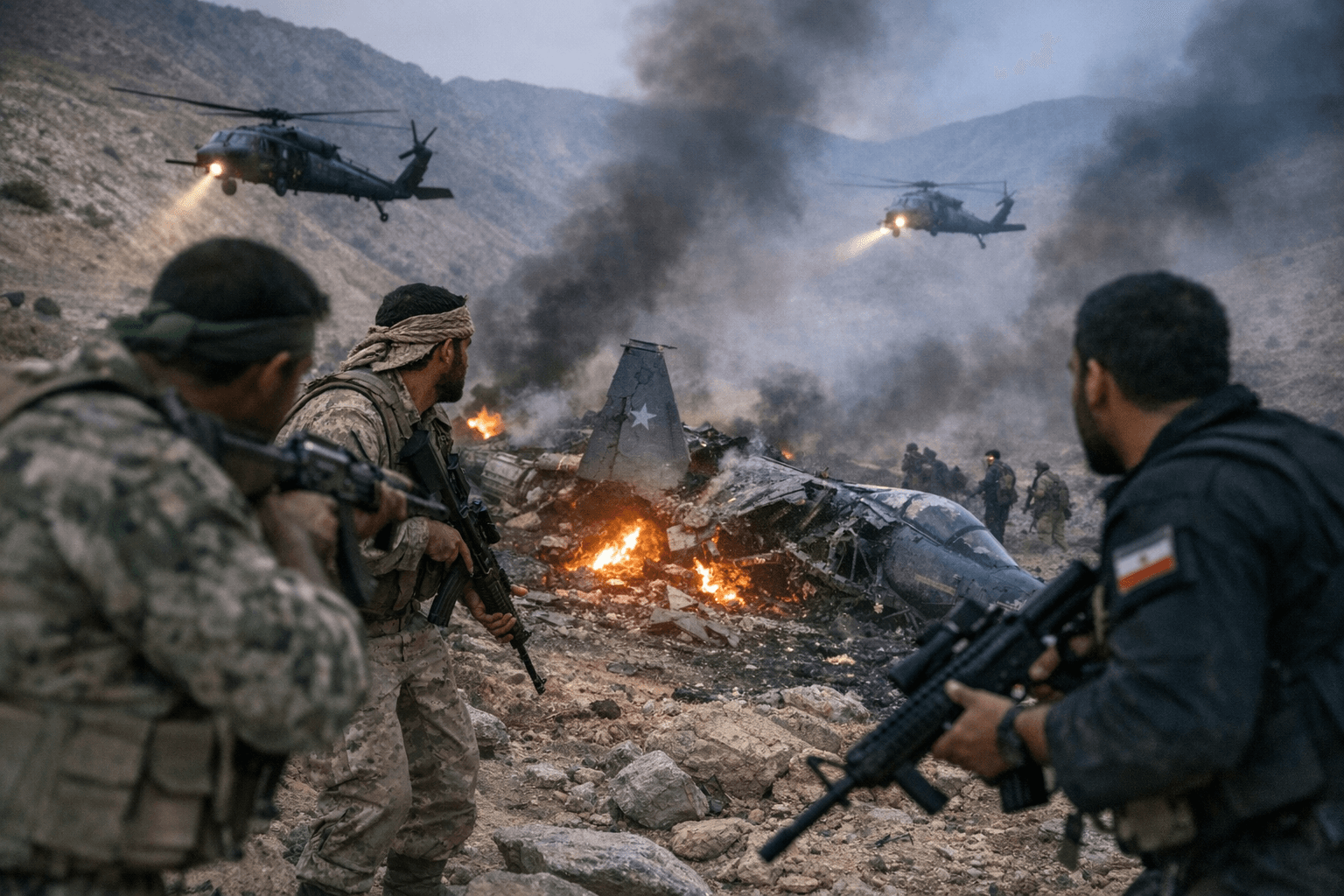
The crisis forced an unusual exercise in battlefield deconfliction. Israel cancelled planned strikes in Iran specifically to avoid hampering the search-and-rescue effort. Israeli officials said they were providing intelligence to help locate the missing crew member. That pause was narrow in scope. The IDF carried out more than 70 strikes in Iran over the preceding day and launched a new wave of attacks, including in Tehran, while also striking targets in Beirut. The IDF described the dual-front campaign in a statement: "In addition to the strikes in Beirut, the IDF has begun a wide-scale wave of strikes targeting infrastructure of the Iranian regime in Tehran."
In Lebanon, the Beirut strikes claimed a significant target. An Israeli Navy strike killed Hajj Yusuf Ismail Hashem, the commander of Hezbollah's Southern Front, responsible for the group's military operations along the Israeli border. Hashem had taken over the role in September 2024 after his predecessor, Ali Karaki, was killed alongside Hezbollah chief Hassan Nasrallah. The IDF said it had struck more than 3,500 targets and killed about 1,000 Hezbollah fighters in Lebanon since the Iranian-backed group entered the war in support of Tehran.
The sequence of events on Friday illustrated how quickly tactical incidents can shatter deconfliction arrangements. A single downed aircraft triggered a hostile recovery race, drew a second US plane into the kill zone, wounded rescue crews, and forced Israel to delay strikes on a country it was simultaneously bombarding on a separate front. The missing crew member remained unaccounted for as darkness fell over central Iran.
Know something we missed? Have a correction or additional information?
Submit a Tip