US and Israeli leaders lose control as Iran war widens
Iran’s nuclear stockpile remained unverified after U.S.-Israeli strikes, while missile fire into Israel and new Lebanon talks showed the war was spreading.
The war launched to stop Iran’s nuclear drive has produced the opposite of control. Instead of a clean break in Tehran’s capabilities, the conflict has left the central question unanswered: where Iran’s enriched uranium is now, and who can verify it after access shut down on February 28.
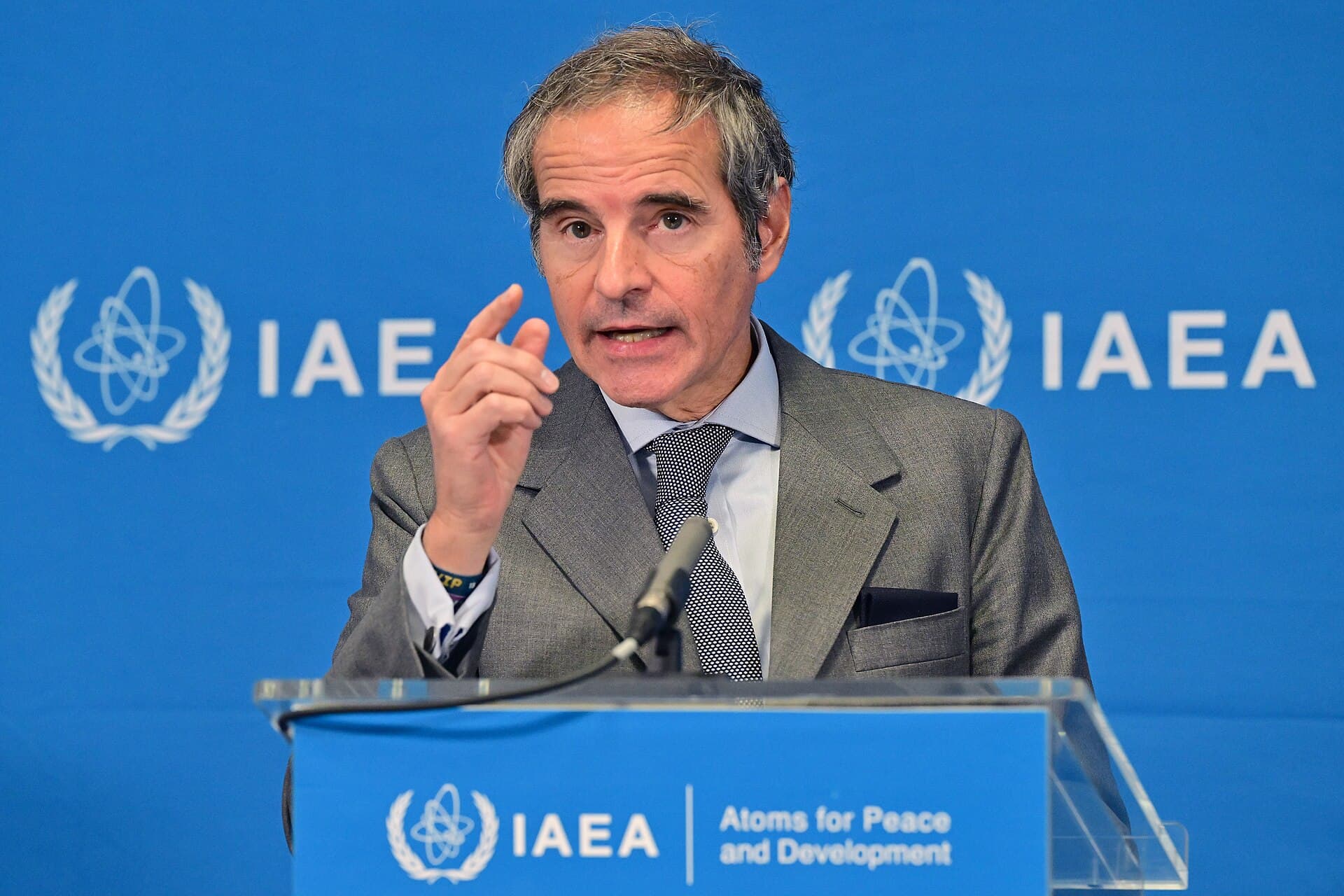
The International Atomic Energy Agency said in June that Iran’s nuclear programme appeared largely unchanged in satellite imagery, even though it could no longer verify the size, composition or whereabouts of the stockpile. The agency had stopped conducting verification activities in Iran after February 28, and its latest reporting pointed to the Esfahan, or Isfahan, tunnel complex as a storage site for uranium enriched to 20 percent and 60 percent. A June 4 assessment said the watchdog’s view had not materially changed despite three months of U.S.-Israeli war.
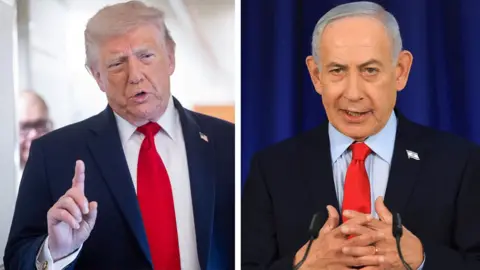
That missing inventory has become the strategic blind spot in the conflict. A U.S. draft resolution sent to other IAEA board members demanded that Iran provide precise information on bombed nuclear sites and enriched uranium stocks. The unresolved status of the material means the war has not delivered the clear nuclear outcome that Donald Trump and Benjamin Netanyahu appeared to be pursuing. Instead, it has deepened uncertainty over whether Iran’s program has been damaged, dispersed or simply moved out of sight.

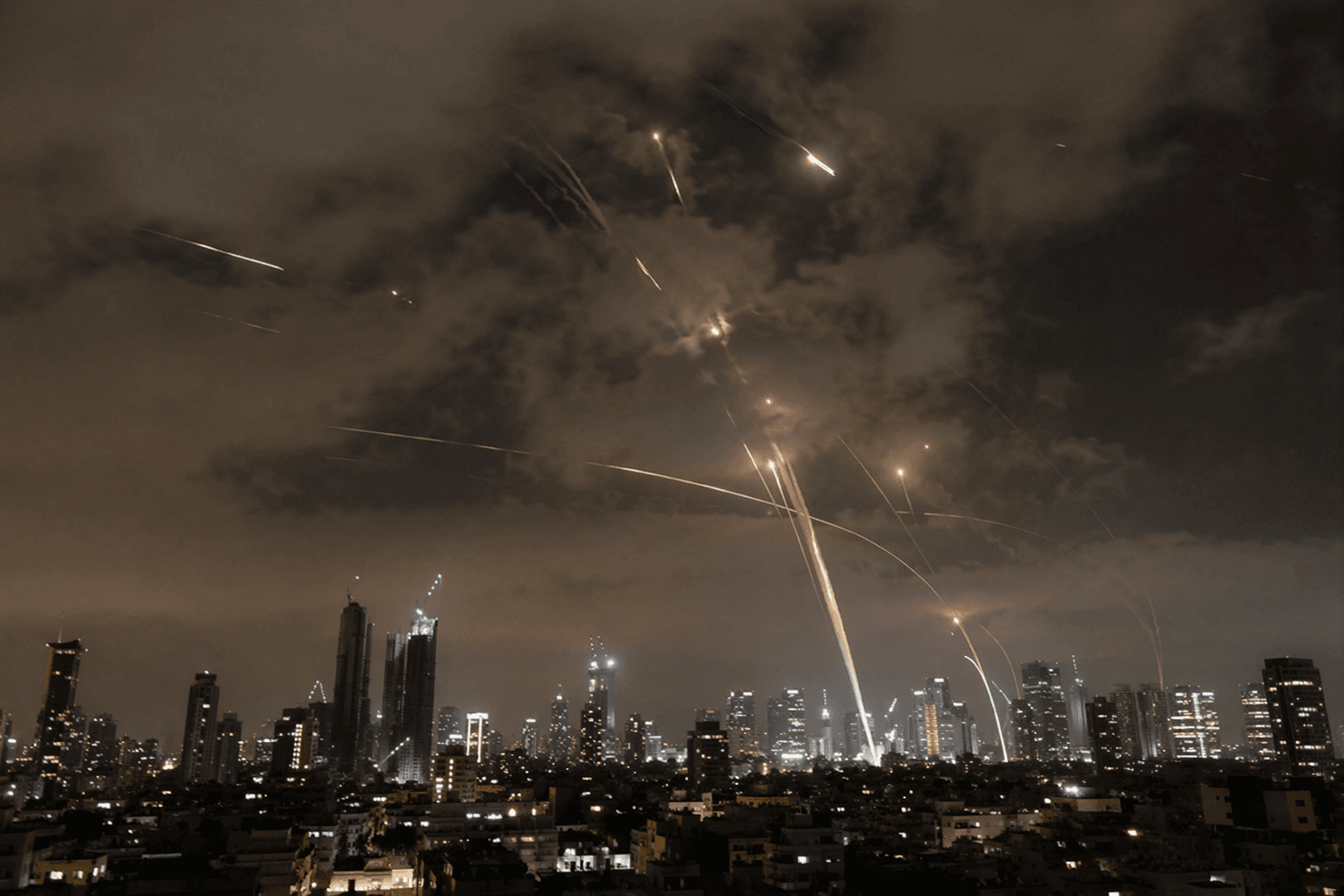
The fighting also widened beyond the nuclear issue. On June 7 and 8, Iran fired roughly 30 ballistic missiles at Israel, the first direct Iranian strike on Israeli territory since the April ceasefire. Israel answered with airstrikes on Iran, underscoring how quickly the ceasefire framework was unraveling and how easily deterrence can slip into escalation.
The regional spillover was already visible elsewhere. The United States convened a fourth high-level trilateral meeting with Israeli and Lebanese representatives on June 2 and 3, while the United Nations Security Council met in New York amid escalating violence in Lebanon and confusion over U.S.-Iran peace talks tied to faltering ceasefires. As the diplomacy frayed, the risk grew that Washington would inherit a conflict it can no longer tightly manage, with civilian exposure, shipping disruption and broader instability all rising together.
This article was produced by Prism’s automated news system from verified source data, official records, and press releases, then run through automated quality and moderation checks before publishing. The system is built and supervised by the people who set the standards it runs under. Read our full AI policy.
Know something we missed? Have a correction or additional information?
Submit a Tip