U.S. and Mexico open USMCA talks on autos, metals and trade security
U.S. and Mexico began USMCA talks on autos, metals and supply-chain security, with a July 1 review deadline that could ripple through car prices and factory jobs.

Autos, steel and aluminum were at the center of the first bilateral USMCA review round as U.S. and Mexican negotiators wrapped up two days of talks in Mexico City on May 29. The Washington delegation was led by Deputy U.S. Trade Representative Jeffrey Goettman, while U.S. Trade Representative Jamieson Greer stayed in Washington for a White House cabinet meeting. The talks focused on economic security and rules of origin for key industrial goods, and Canada was not included, a notable omission as the three-country pact moves toward a mandatory joint review on July 1. The Government of Canada has said the bilateral sessions are normal diplomatic engagement even as Canada-U.S. discussions continue separately.
The substance of the talks goes well beyond customs paperwork. The United States is pressing for a higher regional content threshold for North American-built vehicles, including a U.S.-specific minimum level of content for cars and trucks assembled in Mexico. That would be a major break from the current USMCA framework and could make it harder for some Detroit Three models to qualify for preferential tariff treatment. For automakers, the result could be higher production costs and a more complicated parts map across the continent. For consumers, the pressure would eventually show up in vehicle prices if companies pass through the cost of reshoring more content or redesigning supply chains.
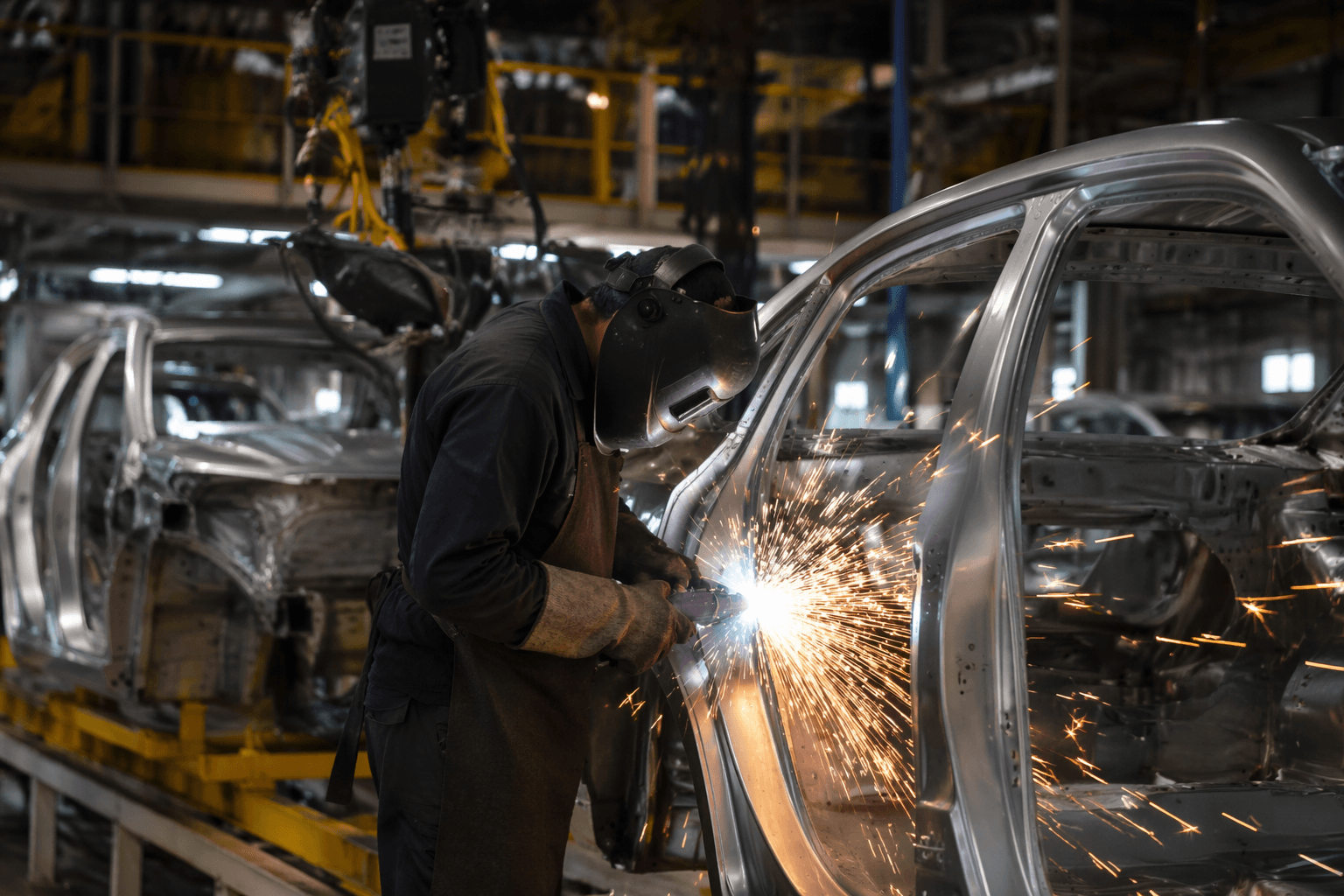
The labor response has been equally blunt. Shawn Fain and the United Auto Workers have pushed for stronger pay standards, tougher labor rules and a requirement that automakers build where they sell, arguing that trade policy should reinforce factory jobs rather than encourage offshoring. That fight matters because USMCA governs roughly $1.8 trillion to $1.9 trillion in annual trilateral trade, giving any change in auto rules outsized consequences for assembly plants, stamping operations and parts suppliers on both sides of the border. Steel and aluminum producers face the same pressure, since those inputs sit at the base of the automotive supply chain and are central to North American industrial capacity.
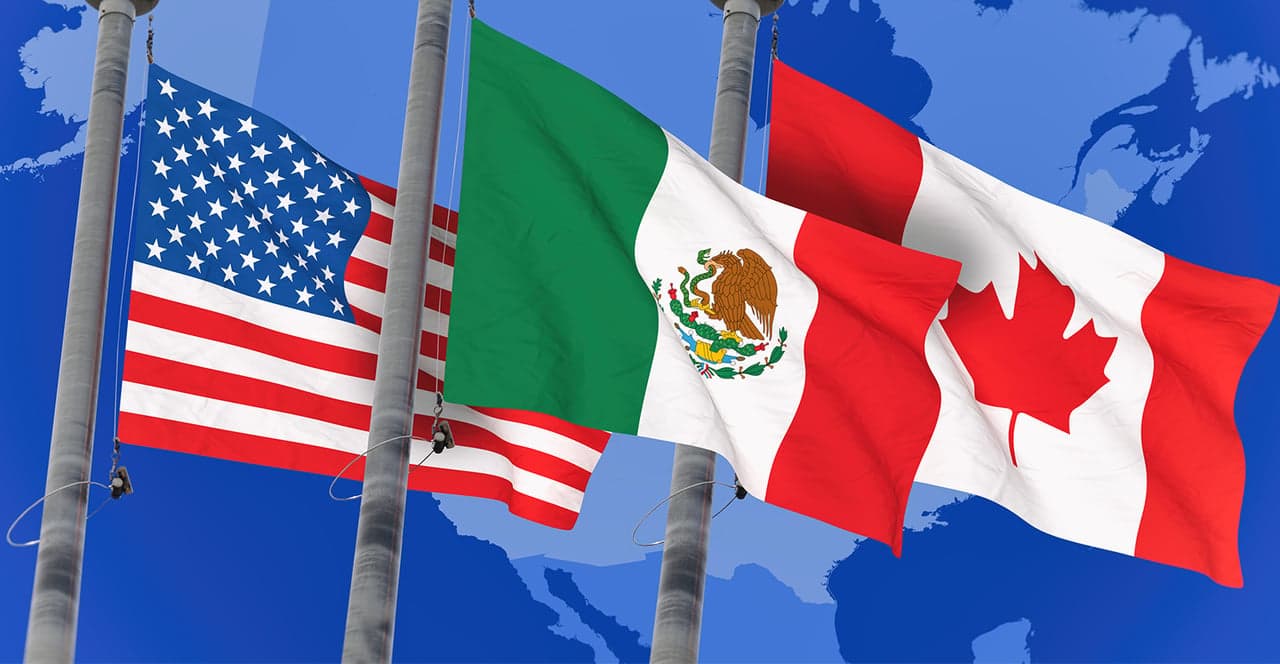
The calendar suggests the next few weeks will decide whether the talks remain tightly managed or turn into a broader political clash. The next round is scheduled for June 16 and 17 in Washington, where the agenda will expand to agriculture and a level playing field. A third round is set for the week of July 20 in Mexico City. Under USMCA’s rules, the first mandatory joint review arrives on July 1, and if all three countries agree to extend the pact, it would continue for another 16 years. If they do not, annual reviews begin. USTR opened the public consultation process in September 2025 and held a public hearing in December 2025, putting the current negotiations inside a formal review clock that could determine the stability of North American trade for years to come.
This article was produced by Prism’s automated news system from verified source data, official records, and press releases, then run through automated quality and moderation checks before publishing. The system is built and supervised by the people who set the standards it runs under. Read our full AI policy.
Did this article answer your question?