U.S. and U.K. agree to remove tariffs, reshape drug pricing and access
The United States and the United Kingdom struck a deal to exempt British-made pharmaceuticals, active ingredients and medical technology from current and potential future U.S. tariffs, in exchange for changes to how the U.K. assesses and pays for new medicines. The arrangement aims to preserve market access and investment for both countries’ pharmaceutical sectors, while prompting shifts in NHS pricing thresholds and long term industry strategy.
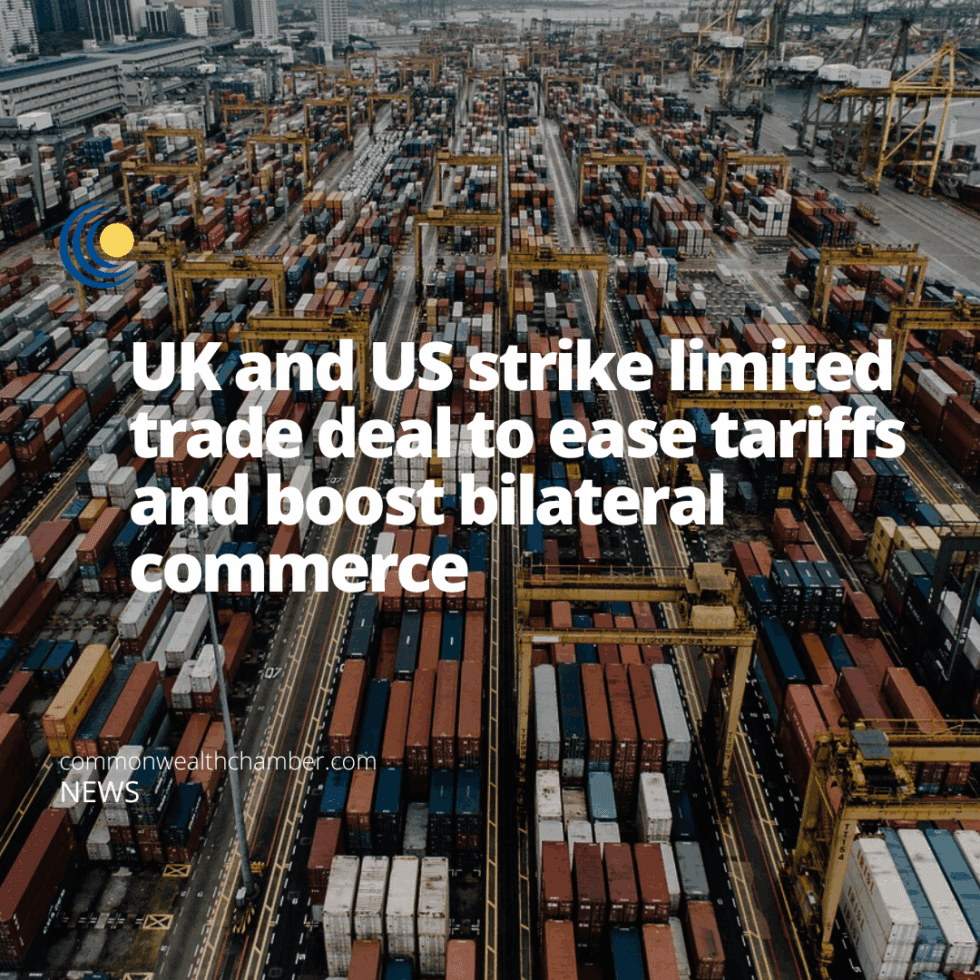
The United States and the United Kingdom reached an agreement on December 1 to clear a major trade obstacle for British pharmaceuticals by exempting British-made medicines, drug ingredients and medical technology from existing and prospective U.S. sectoral and country tariffs. In return, the U.K. agreed to alter how it evaluates and reimburses new therapies, including raising the threshold used by the National Institute for Health and Care Excellence to assess value from £30,000 per quality adjusted life year to £35,000 and pledging to increase spending on medicines.
Officials framed the package as a pragmatic accommodation that preserves transatlantic market access at a time of rising geopolitical trade frictions. The tariff exemption removes a direct cost pressure on British exporters to the United States and seeks to protect investment flows that underpin research and development, manufacturing and clinical trials that span both markets. For U.S. policymakers the concession extracted changes in U.K. domestic health technology assessment and pricing that are intended to facilitate higher payments for new medicines reaching U.K. patients.
A central element of the deal is a negotiated outcome pricing approach for new therapies, which links reimbursement more closely to measured patient outcomes and to negotiated prices. That approach signals a shift away from fixed list prices toward managed entry agreements and performance linked contracts, tools that governments and payers have used with growing frequency to speed access while controlling budget risk.
Economically the pact has several immediate effects. Eliminating tariffs reduces the marginal cost of U.K. exports into the U.S. market, helping protect revenue streams and the business cases for investment in British manufacturing and R&D sites. For the U.K. health system a higher QALY threshold raises the effective willingness to pay for incremental health benefit, making it financially easier for pricier drugs to clear the NICE approval bar. That will place pressure on the NHS medicines budget even as the government has pledged to allocate more resources to pharmaceuticals.
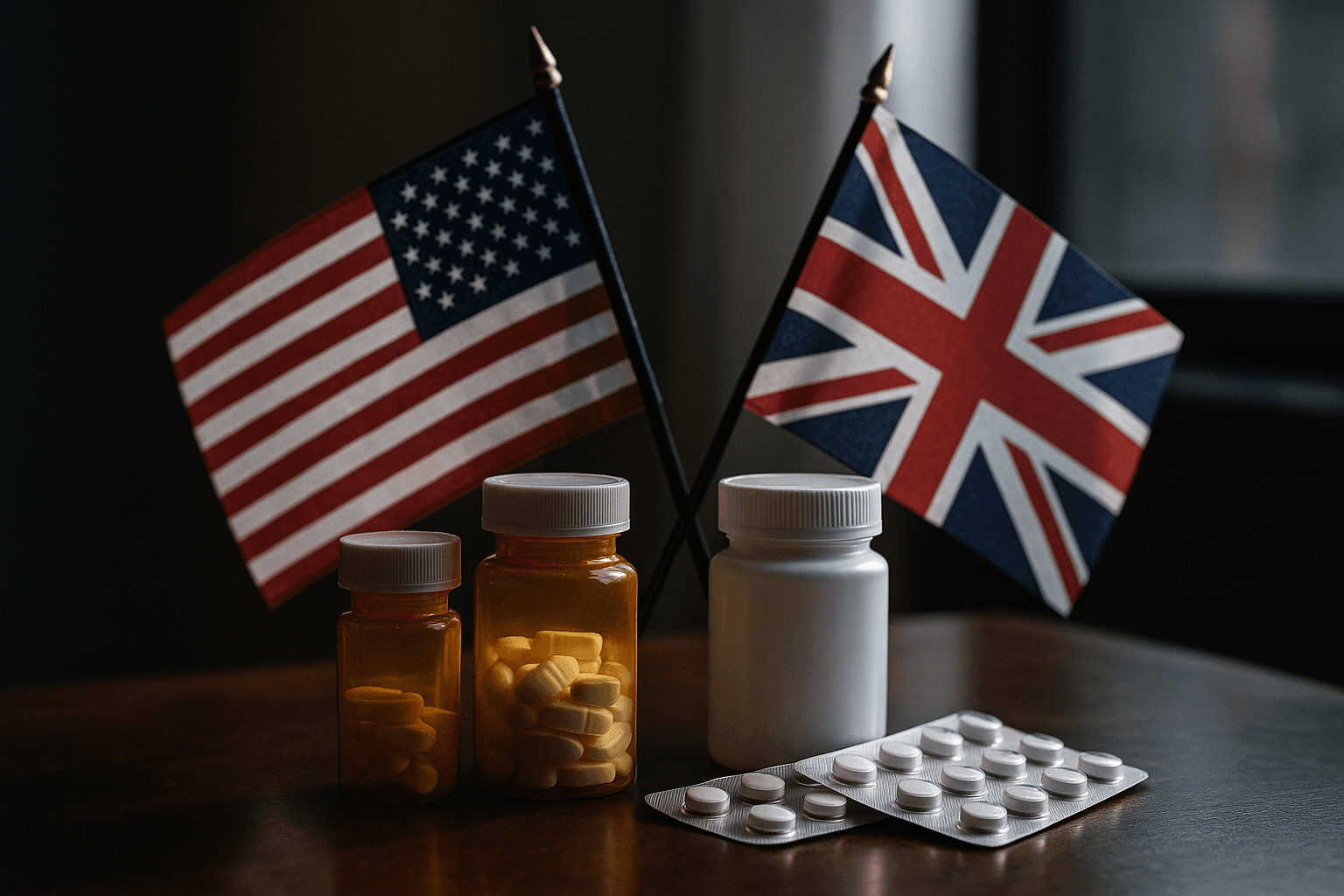
Policy analysts say the agreement illustrates how trade leverage can be deployed to shape regulatory outcomes. The United States used tariff threats to secure concessions on the structure of U.K. medicine payments, a precedent that could be replicated in other sectors or with other partners. The outcome also advances longer term trends in the sector, including increased regulatory cooperation, more sophisticated value based pricing mechanisms, and deeper integration of supply chains despite recent strain from geopolitical tensions.
Implementation will require operational steps by both governments to codify tariff exemptions and to operationalize the new pricing arrangements. For industry, the immediate landscape is clearer: tariff risk has been removed, but commercial success in the U.K. will now depend more explicitly on negotiated outcomes and the willingness of public payers to fund higher cost therapies. The deal therefore preserves market access while reshaping the commercial calculus for drugmakers in both countries.
This article was produced by Prism’s automated news system from verified source data, official records, and press releases, then run through automated quality and moderation checks before publishing. The system is built and supervised by the people who set the standards it runs under. Read our full AI policy.
Did this article answer your question?

