U.S. Apache helicopter goes down over Strait of Hormuz, pilots safe
A U.S. Army Apache went down near the Strait of Hormuz, but both crew members were rescued and Trump said the pilots were “fine.” The cause was still unclear.
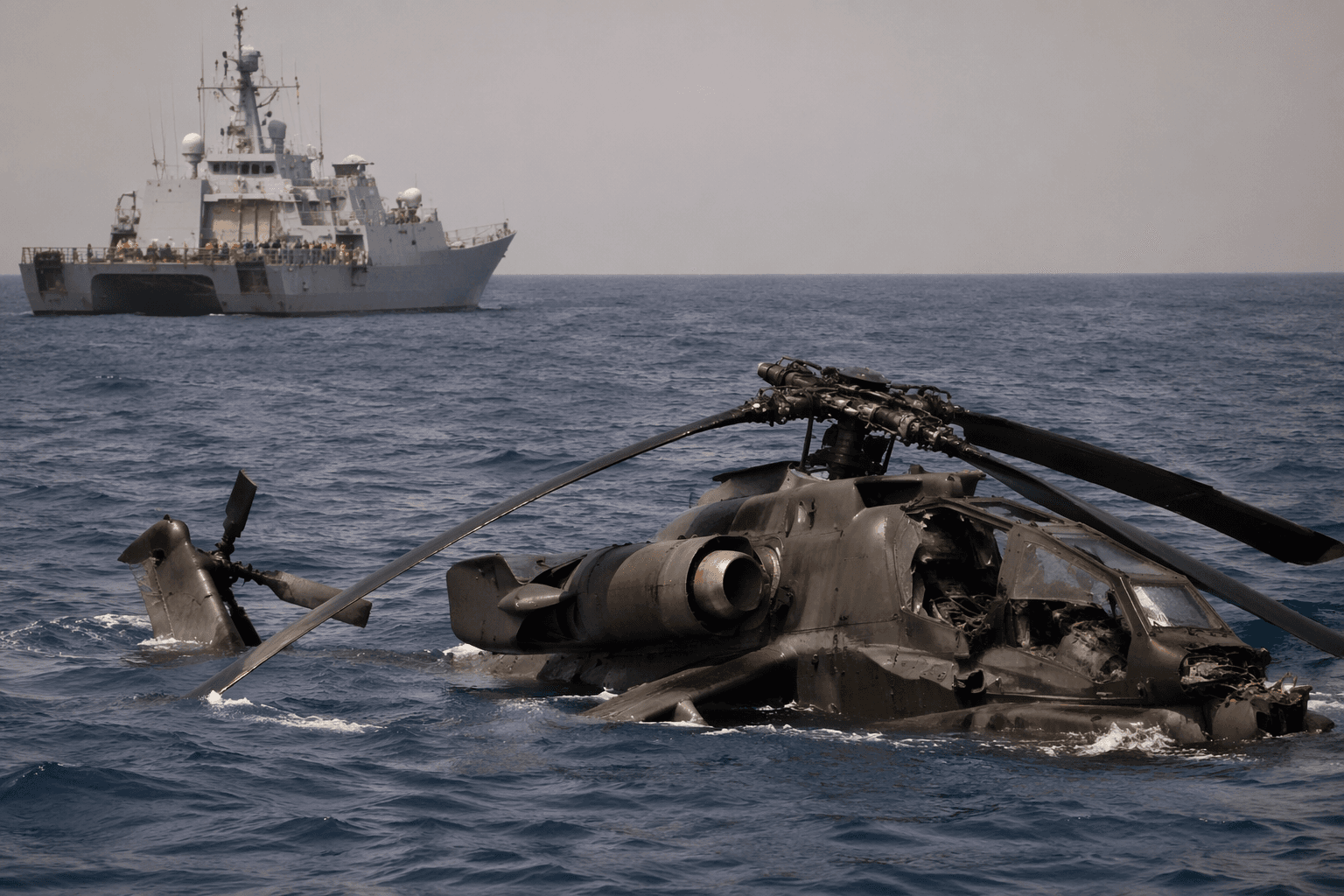
A U.S. Army AH-64 Apache attack helicopter went down near the Strait of Hormuz, but the two crew members were rescued and Trump said they were unharmed. The crash hit one of the world’s most sensitive waterways, where a mistake in the air can quickly spill into a naval, diplomatic and oil-market crisis.
Trump told reporters at John F. Kennedy International Airport, before returning to Washington, D.C., that “The pilots are fine” and “Nobody injured.” He said the administration would release an incident report later Tuesday, as questions remained over whether the helicopter was shot down, suffered a mechanical failure or encountered another problem.
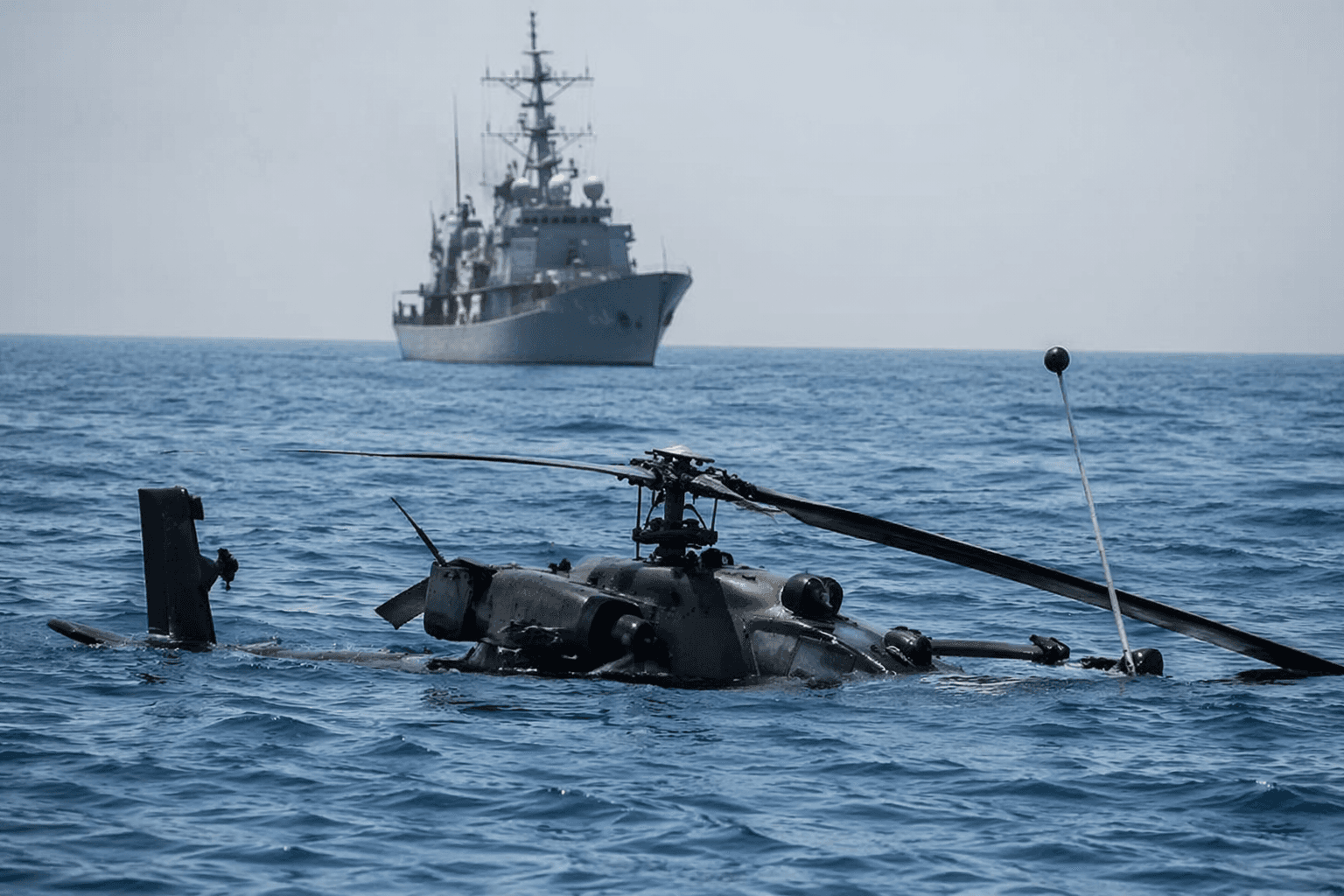
The aircraft was identified as a U.S. Army Apache attack helicopter gunship. Reuters-linked reporting said the two crew members were safely rescued, but there was no immediate public explanation from the White House, the U.S. Department of State or U.S. Central Command. Iranian officials also did not issue an immediate public statement in the coverage available Monday.
The location made the incident especially fraught. The Strait of Hormuz is the narrow waterway through which a large share of global oil shipments passes, and it has long sat at the center of military pressure between the United States and Iran. U.S. Central Command has used Apache helicopters, fighter jets and drones around the strait, underscoring how crowded and reactive the operating environment has become.
The timing added another layer of risk. The crash came one day after Iran and Israel said they had halted attacks on each other following an appeal from Trump, leaving a cease-fire that Reuters and The New York Times described as still tenuous. In that setting, even a nonfatal helicopter incident can become a test of restraint, because the first public account is often followed by accusations, counterclaims and rapid military signaling.
The Apache’s safe recovery avoided casualties, but it did not lower the strategic temperature around the corridor. In the Strait of Hormuz, where oil flow, airpower and rivalry overlap, an unanswered crash is never just an aviation problem for long.
This article was produced by Prism’s automated news system from verified source data, official records, and press releases, then run through automated quality and moderation checks before publishing. The system is built and supervised by the people who set the standards it runs under. Read our full AI policy.
Know something we missed? Have a correction or additional information?
Submit a Tip