U.S. Army Apache crashes near Strait of Hormuz, pilots rescued
A U.S. Army Apache crashed near the Strait of Hormuz, but the two pilots were rescued and said to be safe. The cause was unclear as tensions rose around the chokepoint.
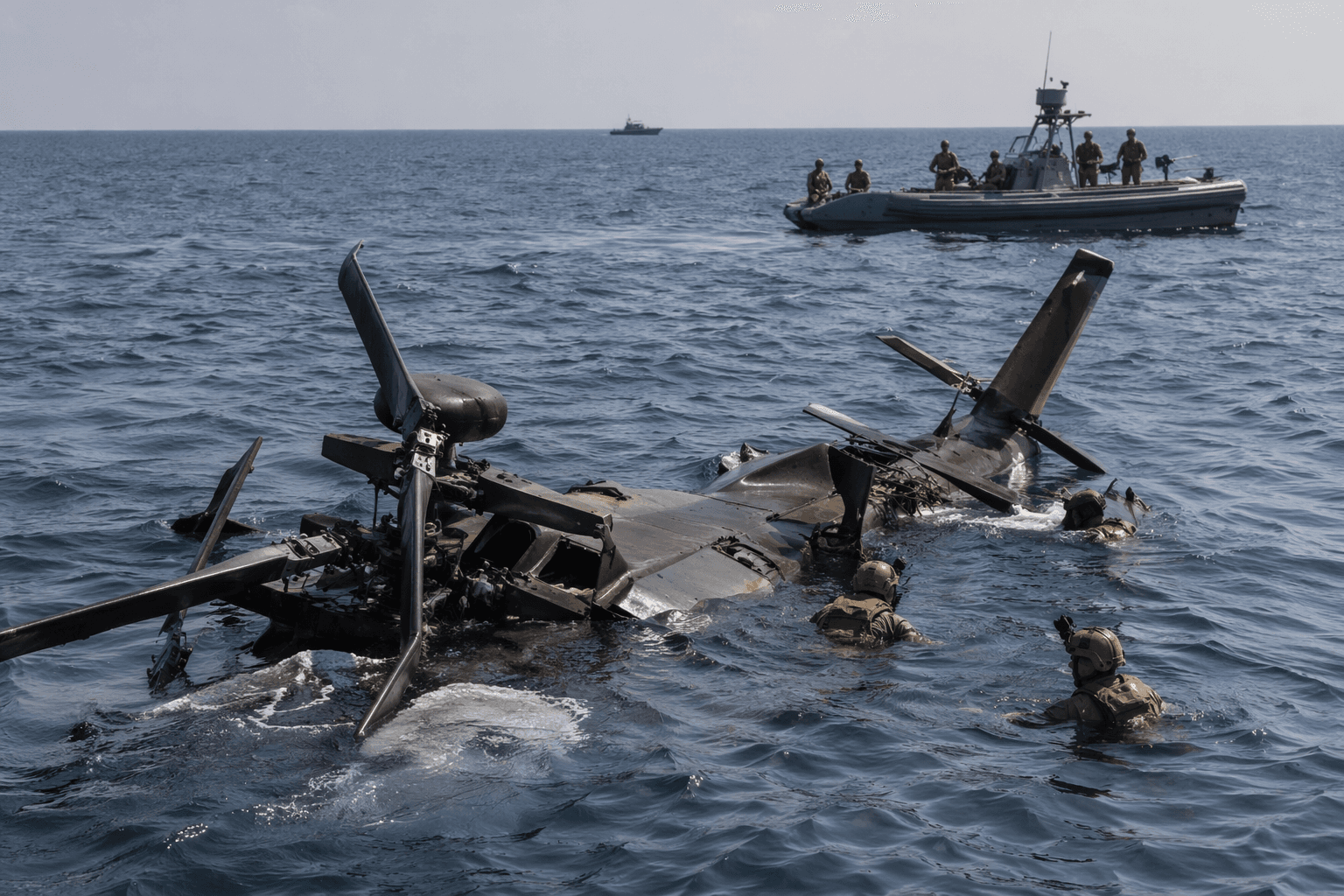
An American Apache went down near the Strait of Hormuz and quickly became more than a routine aviation mishap. The two-person U.S. military crew was rescued and both service members were said to be safe, but the incident landed in one of the world’s most dangerous pieces of water at a moment when any unexplained military emergency can ripple through regional calculations.
President Donald Trump said the pilots were “fine” and that nobody was injured. He also said the administration would release an incident report later Tuesday. The helicopter was identified in reports as a U.S. Army Apache attack helicopter, and the cause was not immediately known. Officials said it was unclear whether the aircraft was shot down by Iranian fire, suffered a mechanical failure, or encountered some other problem.
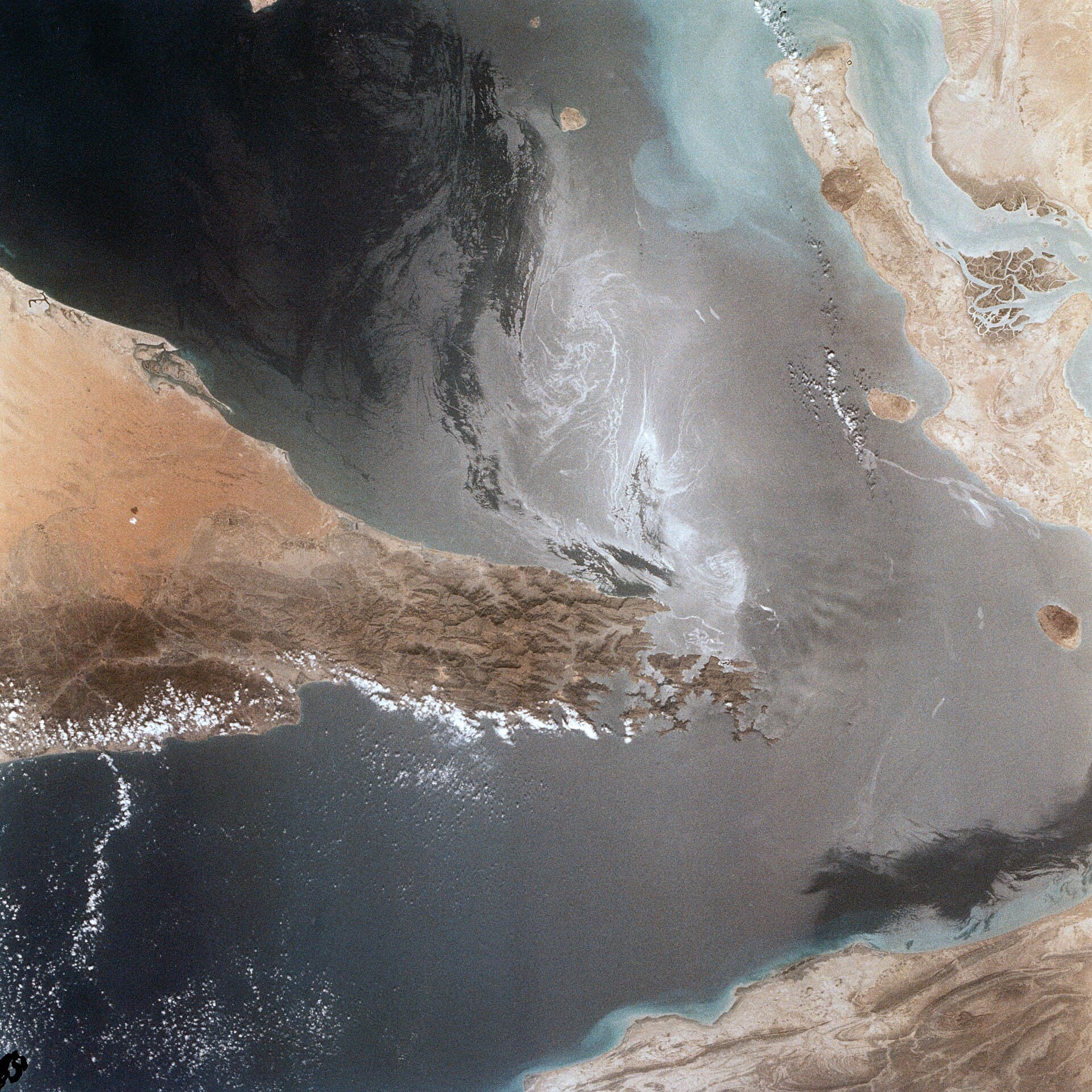
The location is what gives the crash broader geopolitical weight. The Strait of Hormuz is one of the world’s most important oil chokepoints, with the U.S. Energy Information Administration saying about 20 million barrels per day flowed through it in 2024, or roughly one-fifth of global petroleum liquids consumption. The International Energy Agency says the waterway is only about 29 nautical miles wide at its narrowest point, leaving little margin for error when military aircraft, commercial shipping, and surveillance operations are all operating under strain.
That narrow channel sits between the Persian Gulf and the Gulf of Oman, making it a pressure point for the United States, Iran, Gulf Arab states, and the global energy market. U.S. Central Command has been using Apache helicopters, fighter jets, and drones in the region as part of efforts to counter Iranian threats to maritime traffic, and any loss of an Apache near the strait will be read through that operational lens as well as through the politics of deterrence.
The timing matters too. The crash came amid heightened Iran-Israel tensions and a fragile ceasefire in the wider Iran conflict, conditions that have already elevated the risk of escalation from a misread signal or a stray strike. One report said the incident may be the first downed Apache reported since hostilities between the United States and Iran began in February 2026, underscoring how even an unclear accident can sharpen military alertness and market anxiety in a corridor that the United States and its rivals cannot afford to misjudge.
This article was produced by Prism’s automated news system from verified source data, official records, and press releases, then run through automated quality and moderation checks before publishing. The system is built and supervised by the people who set the standards it runs under. Read our full AI policy.
Know something we missed? Have a correction or additional information?
Submit a Tip