U.S. bars Somali World Cup referee over suspected terror ties
Omar Abdulkadir Artan was stopped at Miami airport, then linked by a U.S. official to suspected terror contacts after his World Cup path was cut short.

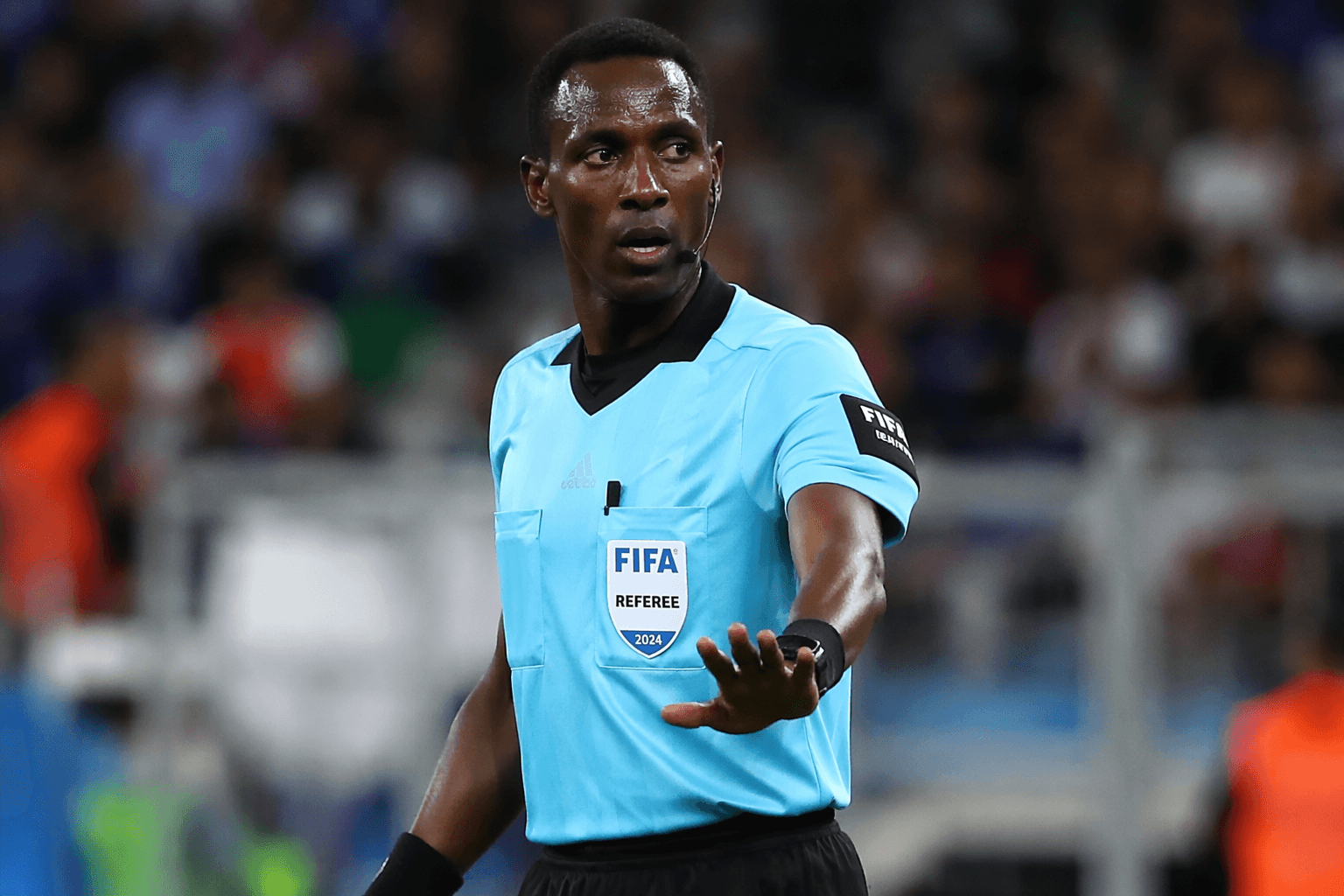
A World Cup path that should have led Omar Abdulkadir Artan into Miami’s referee camp instead ended at an airport interview room, after U.S. officers denied the Somali official entry and later tied the decision to suspected terror links. Artan said he spent about 11 hours being questioned at Miami International Airport before being sent back to Istanbul, even though he had valid travel documents and a visa issued the previous week by the Somalia Embassy in Kenya.
The refusal came just days before the 2026 FIFA World Cup opens on Thursday, June 11, and runs through July 19 across the United States, Canada and Mexico. FIFA had named Artan to its final list of match officials about two months ago, and he was expected to become the first referee from Somalia to work a men’s World Cup. He had also been named Africa’s best male referee in 2025, a rise that made his removal from the tournament’s officiating pool especially striking.
U.S. Customs and Border Protection said Artan was denied entry after inspection because of “vetting concerns,” without publicly laying out the evidence. A U.S. official later said the refusal stemmed from “association with suspected members of terror organizations.” The details surfaced only after Artan’s World Cup route was disrupted, underscoring how little of the government’s case has been made public and how much weight border officers can place on screening judgments at the point of entry.
The episode has drawn sharper attention because Somalia is among the countries affected by Trump administration travel restrictions that took effect in 2026, raising fears that players, fans and officials from restricted countries could be blocked even when they hold visas. Artan’s case is unusual not only because it involves a FIFA-appointed official, but because the denial came before the tournament itself, at the very moment when host-country access should have been settled.
FIFA said Artan would not be able to train or officiate at the World Cup, and emphasized that it does not handle immigration decisions in the host country. Andrew Giuliani, the White House FIFA Task Force executive director, said the decision was for “very good reason” and declined to discuss the underlying information. Somalia’s Youth and Sports Ministry said its embassy in the United States was working to resolve the matter, but for Artan the practical effect was immediate: a career-defining assignment was lost before the first whistle.
This article was produced by Prism’s automated news system from verified source data, official records, and press releases, then run through automated quality and moderation checks before publishing. The system is built and supervised by the people who set the standards it runs under. Read our full AI policy.
Know something we missed? Have a correction or additional information?
Submit a Tip