U.S.-brokered Israel-Lebanon deal ties withdrawal to Hezbollah disarmament
Washington’s new framework links Israeli withdrawal to Hezbollah disarmament, but Hezbollah has already rejected it and the enforcement path remains unclear.
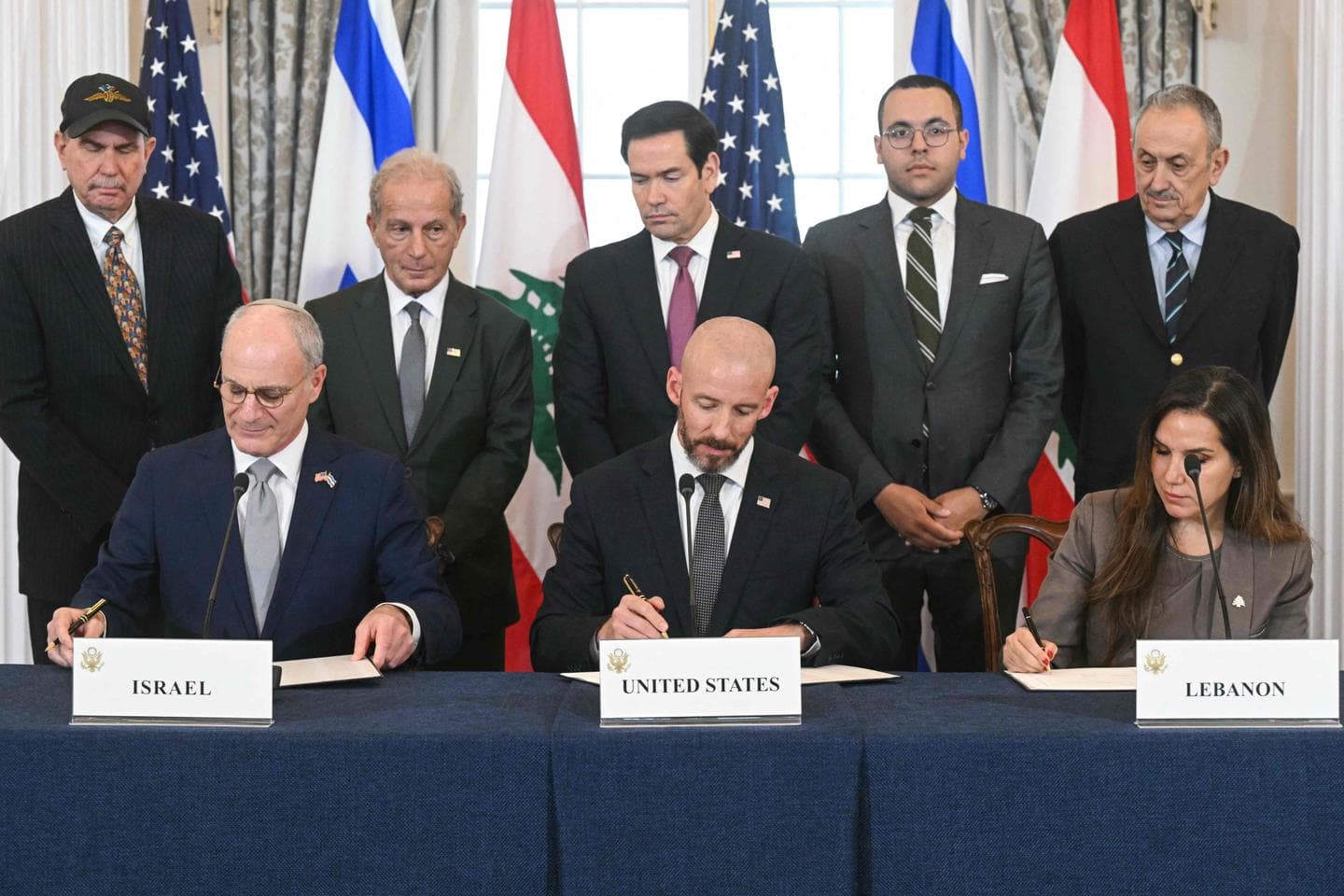
On June 26, the United States, Israel and Lebanon signed a trilateral framework in Washington that links any Israeli withdrawal to Hezbollah’s disarmament. Marco Rubio called it a “clear and structured process” to restore Lebanon’s sovereignty and dismantle Hezbollah’s infrastructure, and the pact creates a trilateral Military Coordination Group for Lebanon.
Hezbollah was not a party to the agreement. Within a day, Hezbollah leader Naim Qassem rejected it, calling it a surrender and saying it was null and void. Hezbollah supporters protested in Beirut’s southern suburbs after the signing.
On June 2 and 3, the United States convened the fourth high-level trilateral meeting between Israeli and Lebanese representatives, and the parties agreed to implement a ceasefire contingent on a complete cessation of Hezbollah fire and the evacuation of all Hezbollah operatives from the South Litani Sector. The security track was launched at the Pentagon on May 29, after the April 16 cessation-of-hostilities arrangement was extended 45 days for coordination talks.
The deal contemplates Israel withdrawing first from two pilot areas, with Lebanese forces gradually taking over security responsibility there, but the exact locations were not disclosed. Benjamin Netanyahu has said Israeli forces could remain in southern Lebanon if Hezbollah does not disarm.
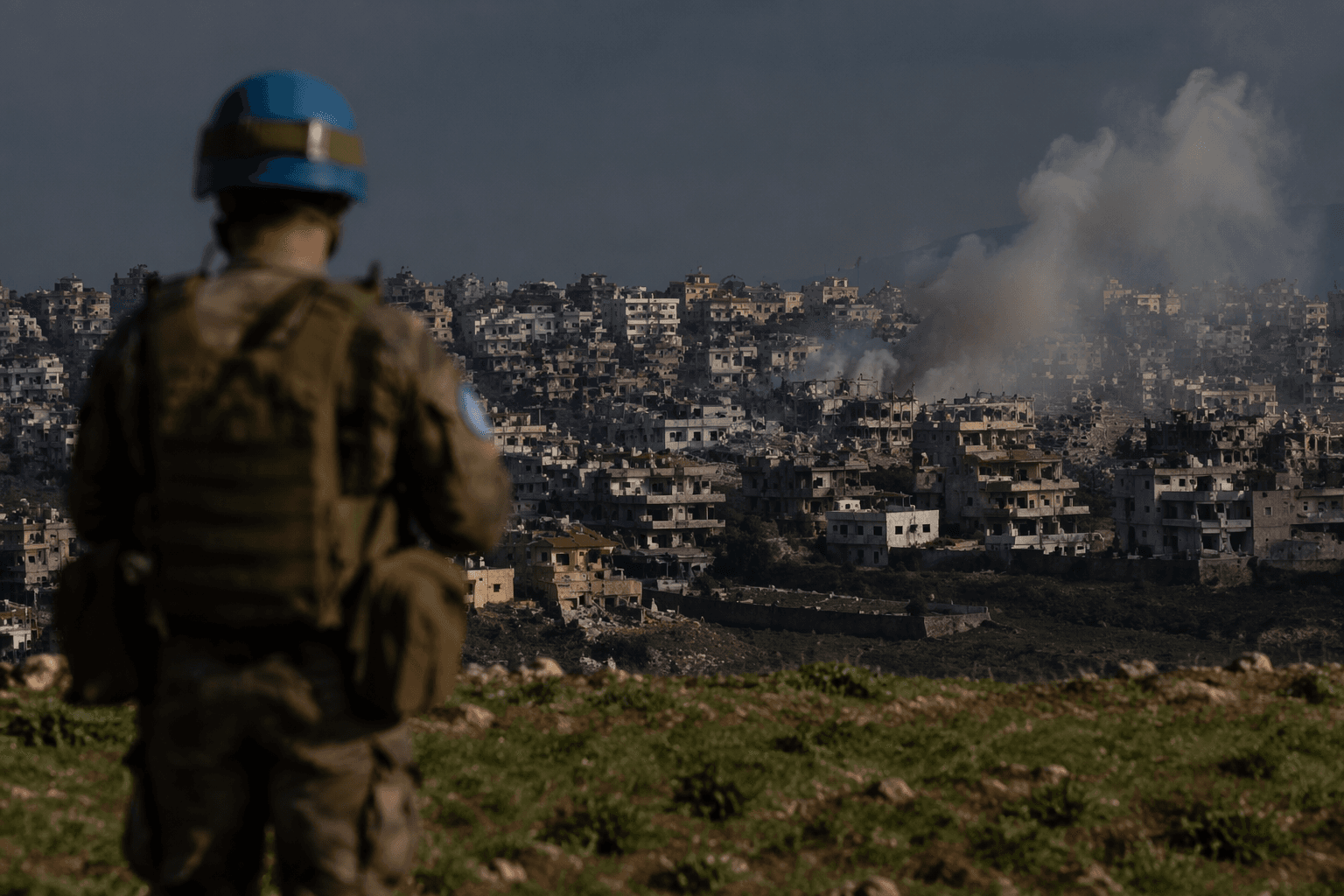
U.N. Security Council Resolution 1701, adopted on Aug. 11, 2006, called for a full cessation of hostilities, the deployment of Lebanese forces and UNIFIL throughout the south, and an Israeli withdrawal from southern Lebanon in parallel with that deployment. U.N. reports in 2025 and 2026 found implementation remained fragile and violations persisted. The latest Israel-Hezbollah war began on March 2 after Hezbollah fired into Israel, and Israel followed with a ground invasion in late March. That fighting has already displaced about 1.2 million Lebanese, killed more than 4,000 people, and left Israel occupying almost 20 percent of Lebanese territory in the south.
This article was produced by Prism’s automated news system from verified source data, official records, and press releases, then run through automated quality and moderation checks before publishing. The system is built and supervised by the people who set the standards it runs under. Read our full AI policy.
Know something we missed? Have a correction or additional information?
Submit a Tip