U.S. debt held by the public tops GDP, economists warn of slow damage
Debt held by the public reached about $31.27 trillion, and economists warn the damage will show up first in higher borrowing costs and squeezed budgets.
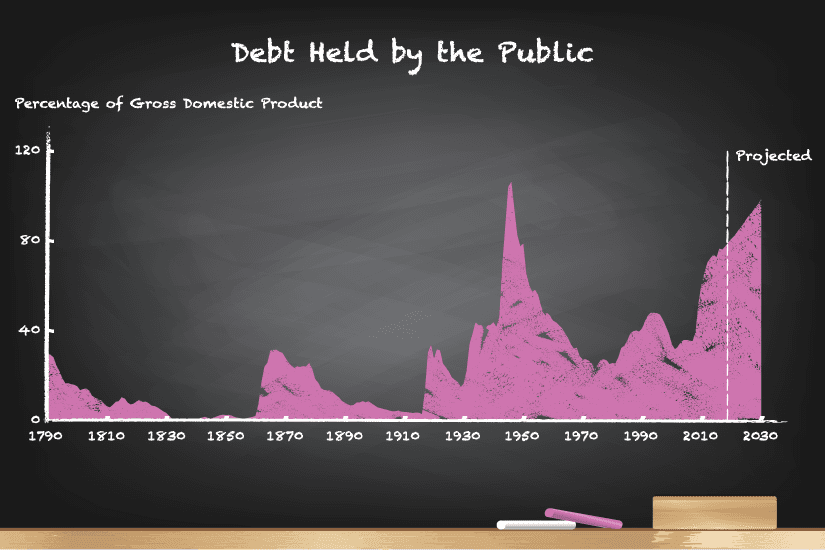
Federal debt held by the public stood at $31.27 trillion on May 1, 2026, a level the Congressional Budget Office projected at about 100% of gross domestic product in fiscal 2025. That threshold does not mean the economy is headed for an immediate emergency, but it does mean the federal government is spending more and more just to service old borrowing, with consequences that can filter into mortgage rates, credit costs and the money Washington has left for everything else.
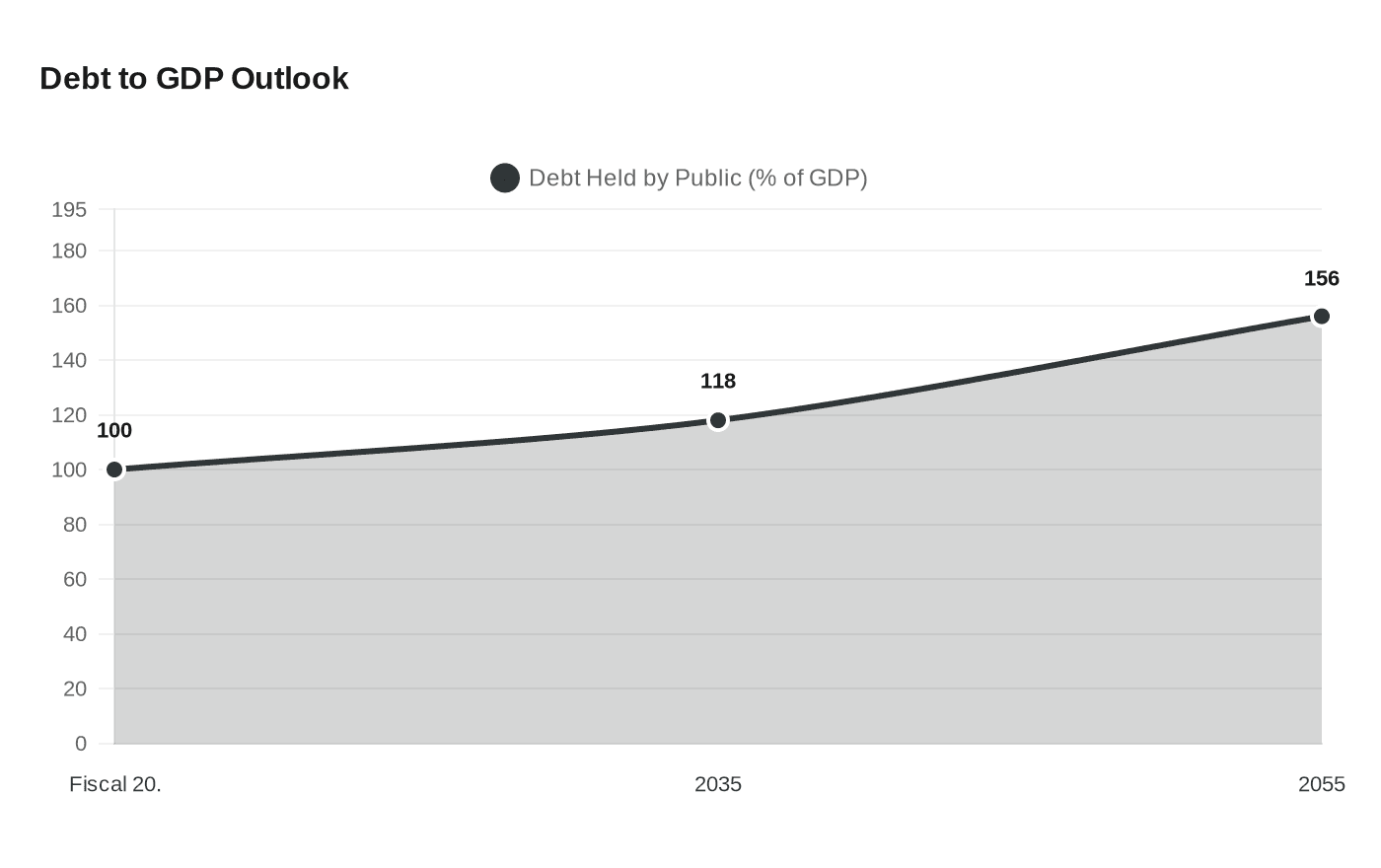
The CBO expects the debt burden to keep climbing, reaching 118% of GDP by 2035 and 156% by 2055 under current law. The agency also says interest costs will exceed defense spending from 2025 through 2035 and will top nondefense discretionary spending from 2027 through 2035. In plain terms, more tax dollars will go toward bondholders and less will be available for programs that people see every day, from veterans services to food inspections to scientific research.
That pressure is driven by sustained deficits, rising mandatory spending and a growing net interest bill. The federal deficit for fiscal 2025 came in at about 6.2% of GDP, and the CBO projects cumulative deficits of roughly $22 trillion over fiscal 2025 through 2035. The Committee for a Responsible Federal Budget said gross national debt topped $37 trillion on August 11, 2025, underscoring how fast the balance sheet has expanded even as debt held by the public remains the more telling measure of the government’s financing strain.
History shows that debt this high is not unprecedented, but it is rare. The CBO says debt held by the public last peaked at 106% of GDP in 1946, after World War II, then fell steadily to 23% of GDP by 1974 as the economy grew faster than the debt. Today’s difference is that the agency sees no automatic decline ahead without policy changes, which leaves the government with less room to borrow aggressively in the next recession, pandemic or financial shock.
Brookings economists warn that the most likely harm is slow erosion rather than a sudden collapse: weaker national wealth, lower future living standards and less private investment as federal borrowing competes for capital. They also say a fiscal crisis could arrive if demand for Treasury securities suddenly fell or supply surged, pushing interest rates sharply higher. For households, that is the real warning sign, a path toward higher borrowing costs and tighter public budgets, not a crisis that has already arrived.
This article was produced by Prism’s automated news system from verified source data, official records, and press releases, then run through automated quality and moderation checks before publishing. The system is built and supervised by the people who set the standards it runs under. Read our full AI policy.
Did this article answer your question?

