U.S. Deploys Marines, Expands Ground Forces as Iran Air Campaign Enters Week Four
The USS Boxer left San Diego three weeks ahead of schedule, carrying the 11th Marine Expeditionary Unit and roughly 2,500 Marines, as Operation Epic Fury shifts from air strikes toward a ground-capable posture.
Nearly four weeks into Operation Epic Fury, what began on February 28 as a joint U.S.-Israeli air campaign targeting Iran's military infrastructure has expanded into the largest deployment of soldiers to the region since the Iraq War. At the center of the buildup: the USS Boxer departed San Diego on March 19, with the deployment accelerated by approximately three weeks from its originally scheduled date.
The U.S. military deployed up to 2,500 Marines and at least three more ships to the Middle East, with the move including elements of the 11th Marine Expeditionary Unit, based at Camp Pendleton, near San Diego, and elements of the USS Boxer Amphibious Ready Group. The Boxer Amphibious Ready Group includes the Wasp-class amphibious assault ship USS Boxer, dock landing ship USS Comstock, and amphibious transport dock USS Portland. The Associated Press reported the broader move as three additional warships and about 2,500 Marines, while Reuters specifically named the USS Boxer, its embarked Marine Expeditionary Unit, and an accompanying warship.
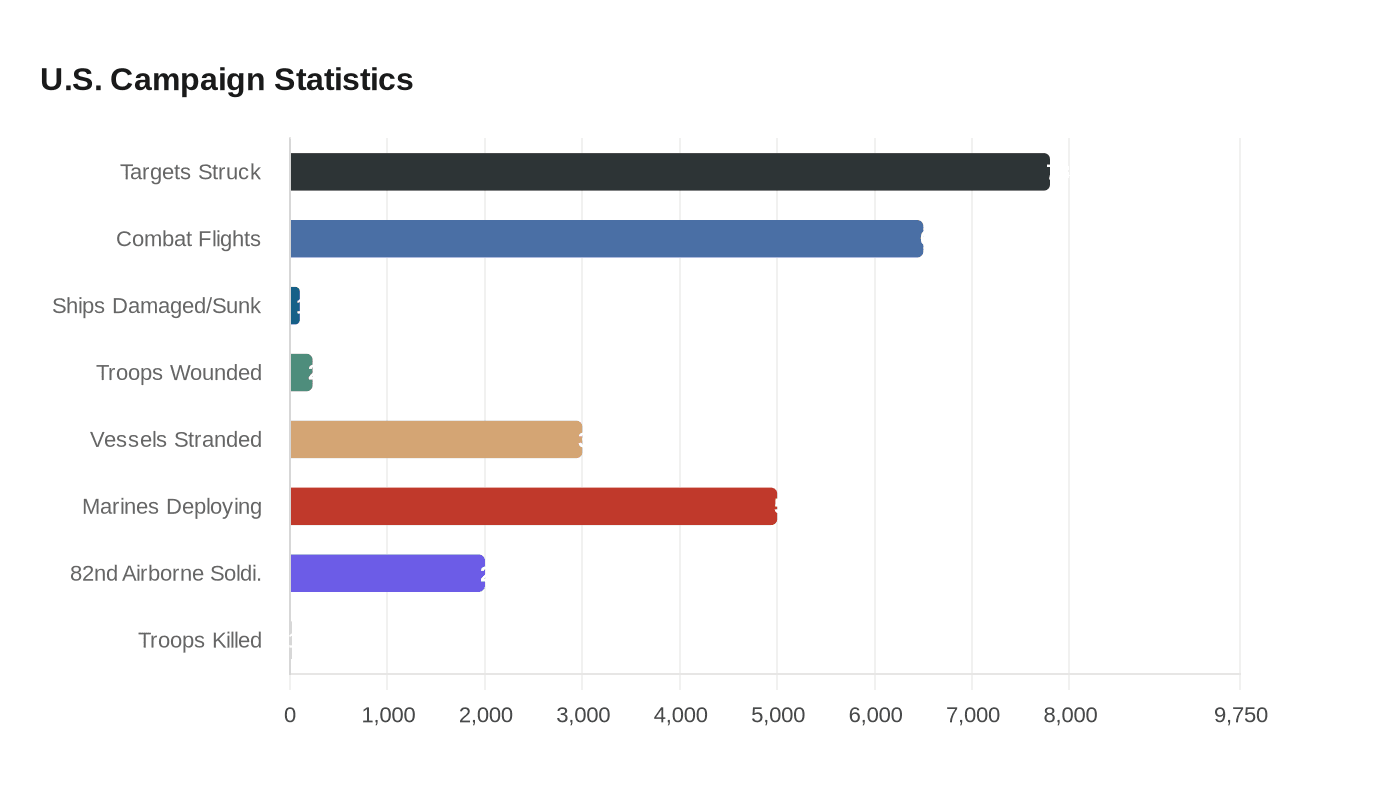
The reinforcements heading to the Gulf consist of three distinct formations. The first is the Tripoli Amphibious Ready Group, centered on the America-class assault ship USS Tripoli and the 31st Marine Expeditionary Unit, ordered out of Sasebo, Japan, on March 13. The group transited the Strait of Malacca and was at Diego Garcia by March 23, and is expected to enter the CENTCOM area by late March or early April. The third formation is a contingent of about 2,000 soldiers from the 82nd Airborne Division's Immediate Response Force, based at Fort Bragg, North Carolina.
U.S. Central Command, the combatant command responsible for running military operations against Iran, already requested the deployment of the 31st MEU as it considers options to force open the Strait of Hormuz. With the addition of the 11th MEU, CENTCOM will have approximately 5,000 Marines with organic assets ready to deploy.
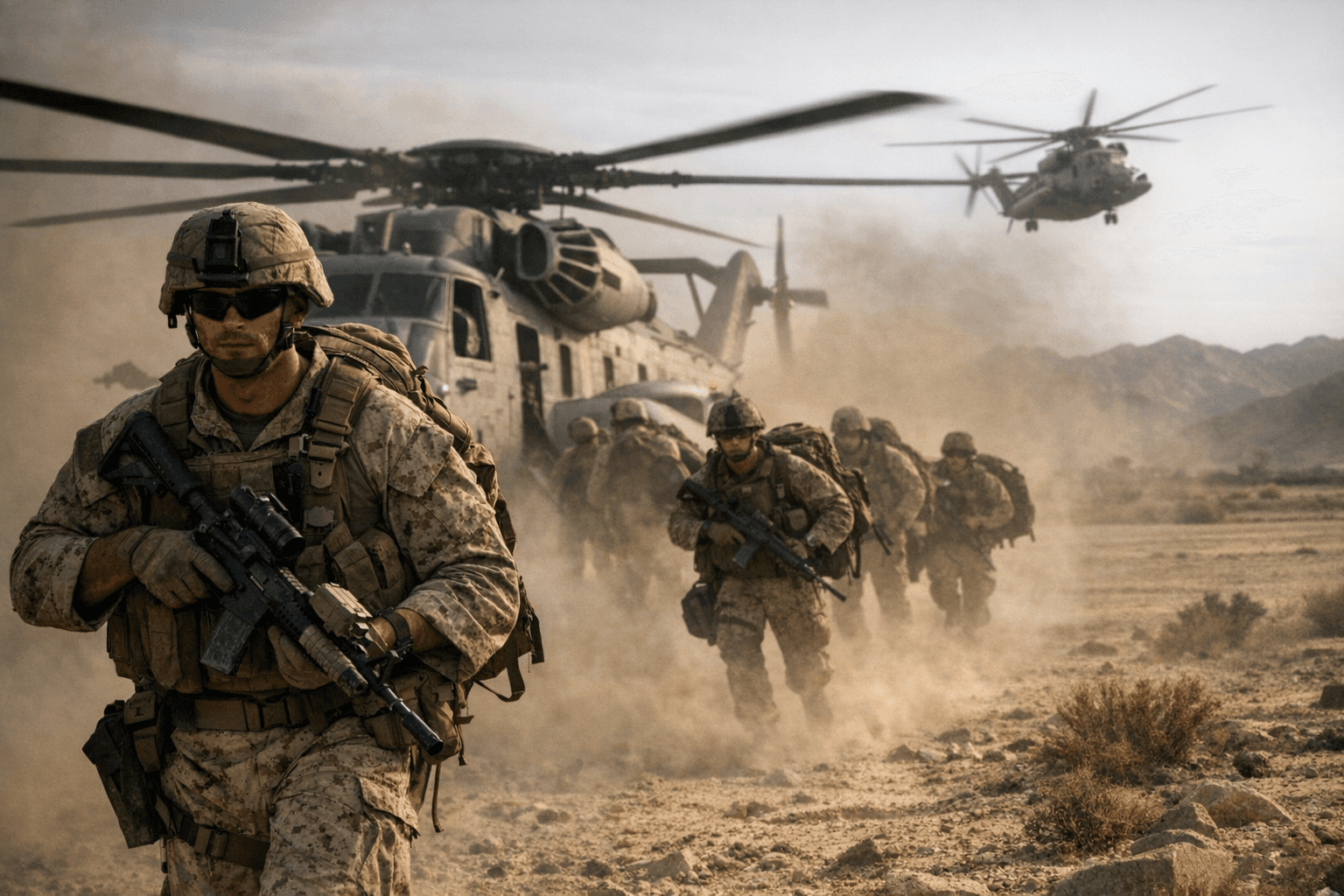
Reopening the Strait of Hormuz after mines, drones and attacks on commercial shipping remains a major issue, surging gas prices in the U.S. to levels not seen since the COVID-19 pandemic. With over 3,000 vessels stranded in the Middle East, according to the International Maritime Organization, the Persian Gulf has become a massive parking lot for ships waiting for a resolution to the near-total halt of traffic through the Strait of Hormuz.
Marine Expeditionary Units are rapid reaction forces that can deploy relatively quickly and bring considerable firepower, including artillery, attack helicopters, transport helicopters, F-35B Lightning II stealth fighter jets, air defense units, reconnaissance assets, field hospital facilities, and mechanized infantry. The Wall Street Journal and other outlets reported that A-10 aircraft and Apache helicopters are also being used or moved into the fight, though the Pentagon has not publicly laid out the full operational package.
The U.S. claims to have struck more than 7,800 targets, flown more than 6,500 combat flights and damaged or sunk more than 100 ships, including the first sinking of a ship by U.S. torpedo since World War II. According to a CENTCOM update, 232 American troops have been wounded in the fighting, 10 seriously, and 13 service members have died since the start of the war.
Defense Secretary Pete Hegseth has projected no quick end to the campaign, with official Defense Department messaging describing the mission as "laser-focused" on destroying Iran's offensive missile capacity, missile production, navy and security infrastructure. Yet the ground-capable force accumulating in the region runs counter to President Donald Trump's public posture. When asked Thursday by a reporter whether U.S. troops would be sent to the region, Trump responded: "No. I'm not putting troops anywhere. If I were, I certainly wouldn't tell you, but I'm not putting troops. And we will do whatever is necessary to keep the peace."
On March 24, Trump said the U.S. and Iran had reached 15 points of agreement in talks aimed at ending the conflict, describing discussions as "very, very strong." Iran, however, has denied any direct negotiations. If Washington moves from striking targets to physically controlling or isolating strategic territory, amphibious and ground-capable forces become much more relevant. Simultaneously, reports indicate some differences between the U.S. and Israel over strategy and attacks on energy infrastructure that risk a wider economic impact, even as the two remain aligned in militarily confronting Iran.
Covering approximately 22,200 kilometers, the Boxer Amphibious Ready Group is not expected to reach the combat zone until mid-April at the earliest, meaning the on-ramp to any potential ground phase remains weeks away. How the diplomatic picture shifts before then could determine whether those Marines ever leave their ships.
Know something we missed? Have a correction or additional information?
Submit a Tip

