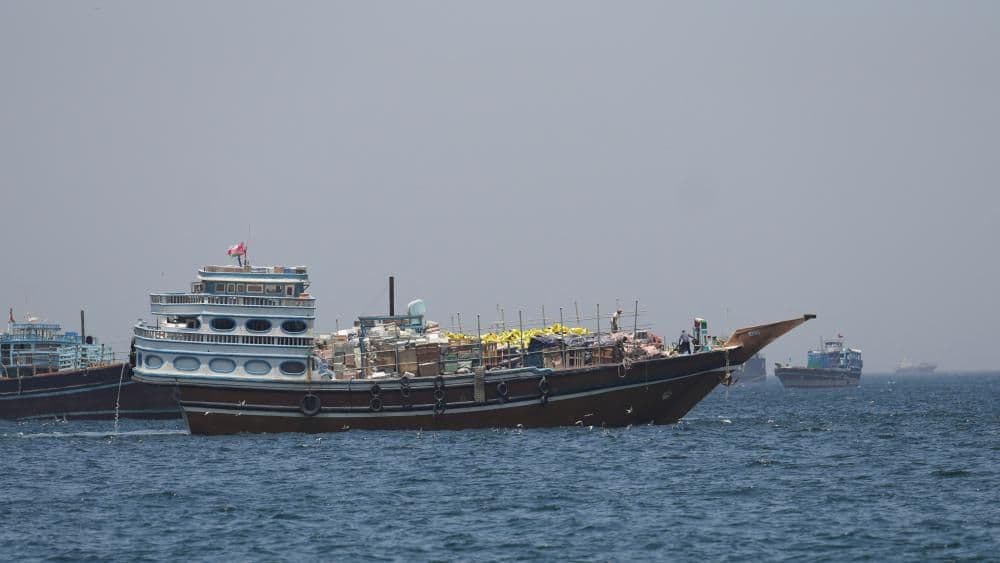
U.S. destroys six Iranian boats in Strait of Hormuz clash
U.S. forces destroyed six small Iranian boats in the Strait of Hormuz as Iran warned vessels away, jolting oil markets and sharpening the risk of wider conflict.
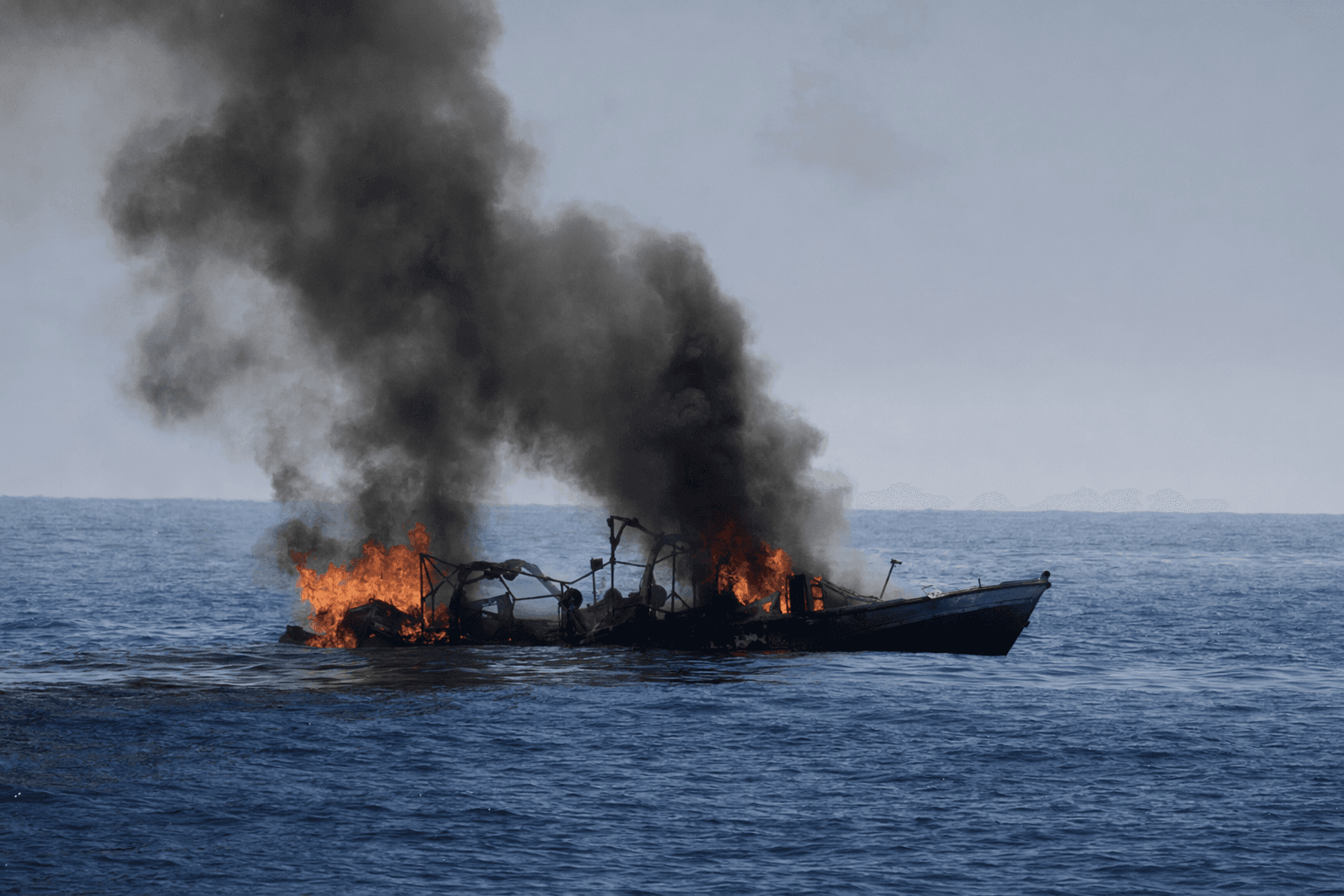
American forces destroyed six small Iranian boats in the Strait of Hormuz after the vessels tried to interfere with commercial shipping, a sharp tactical move in the world’s most sensitive energy artery. The strike showed that Washington is no longer limiting itself to warnings and patrols; it is now using direct force to keep traffic moving through a waterway that carries about 100 merchant vessels a day.
The clash followed a more aggressive U.S. posture announced in recent days. U.S. Central Command said on April 11 that forces had begun setting conditions for clearing mines in the strait, and on April 12 it said it would begin enforcing a blockade of maritime traffic entering and exiting Iranian ports at 10 a.m. ET on April 13. CENTCOM said that blockade would apply to vessels of all nations headed to or from Iranian ports, while still preserving freedom of navigation for ships transiting the strait to and from non-Iranian ports. It also directed mariners to monitor Notice to Mariners broadcasts and use bridge-to-bridge channel 16.
The shift matters because it goes beyond one skirmish. President Donald Trump announced Project Freedom on Sunday, a mission to guide stranded ships out through the strait, and the United States began that effort on Monday. CENTCOM has described the Strait of Hormuz as an international sea passage and an essential trade corridor for regional and global economic prosperity. In January, Adm. Brad Cooper warned that the passage was vital to trade and urged Iran’s Islamic Revolutionary Guard Corps to avoid escalatory behavior at sea.
Regional tensions were already high. The United Arab Emirates said it was under Iranian missile and drone attack on Monday, and its defense ministry said air defenses were intercepting ballistic missiles, cruise missiles and drones. Iran’s state media denied that the boats had been sunk, but CBS News reported that Tehran had warned any vessel attempting to transit the waterway would be attacked.
The market reaction underscored how quickly a maritime clash can ripple far beyond the Gulf. Stocks fell and oil prices rose after the UAE attacks, reflecting the leverage held by the Strait of Hormuz, where a few minutes of gunfire or a single blocked lane can threaten a supply route that anchors the global energy system. The latest confrontation suggests the United States is trying to manage escalation while signaling that interference with shipping will be met with force, a posture that could keep the strait open or push a local clash into something far larger.
Know something we missed? Have a correction or additional information?
Submit a Tip