US domestic airline fares jump 4.7% in first quarter, Transportation Department says
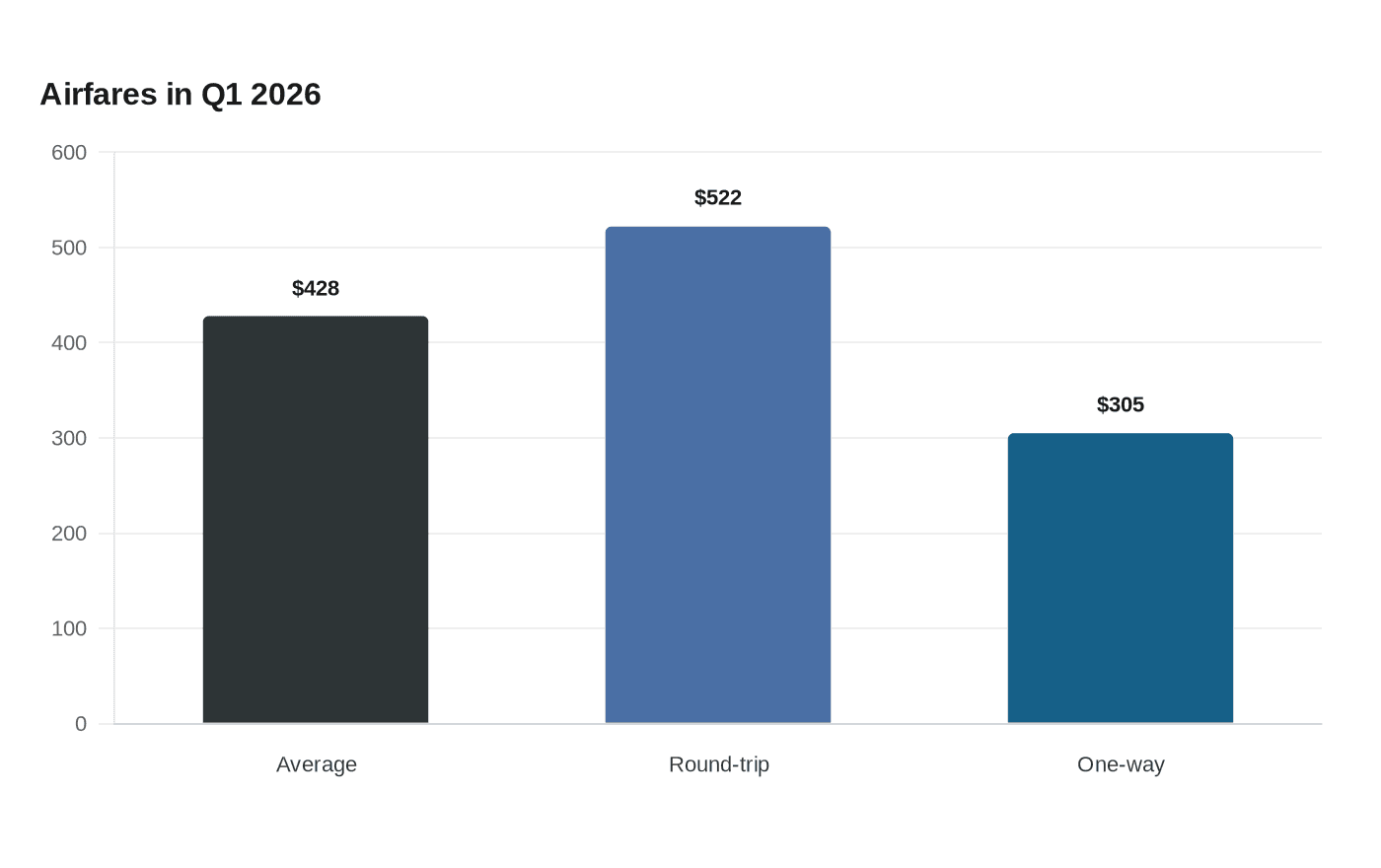
Domestic fliers paid more in the first quarter as oil spiked, with average fares climbing to $428. Round trips averaged $522, adding pressure to summer travel budgets.

Domestic travelers paid $428 on average for a ticket in the first quarter of 2026, a 4.7% jump that followed March’s oil-price spike and pushed costs higher just as summer bookings approached. The increase added a fresh burden to household budgets already strained by higher living costs, with round-trip passengers paying an average of $522 and one-way travelers $305.
The U.S. Transportation Department’s Bureau of Transportation Statistics said the first-quarter figure was inflation-adjusted and came from its Domestic Airfare Consumer Report, which uses origin-and-destination ticket data from U.S. carriers. The bureau said the average fare had been $409 in the fourth quarter of 2025 on the same inflation-adjusted basis. Without the adjustment for inflation, fares were 5.7% higher than the previous quarter and 7.7% above the same period a year earlier.
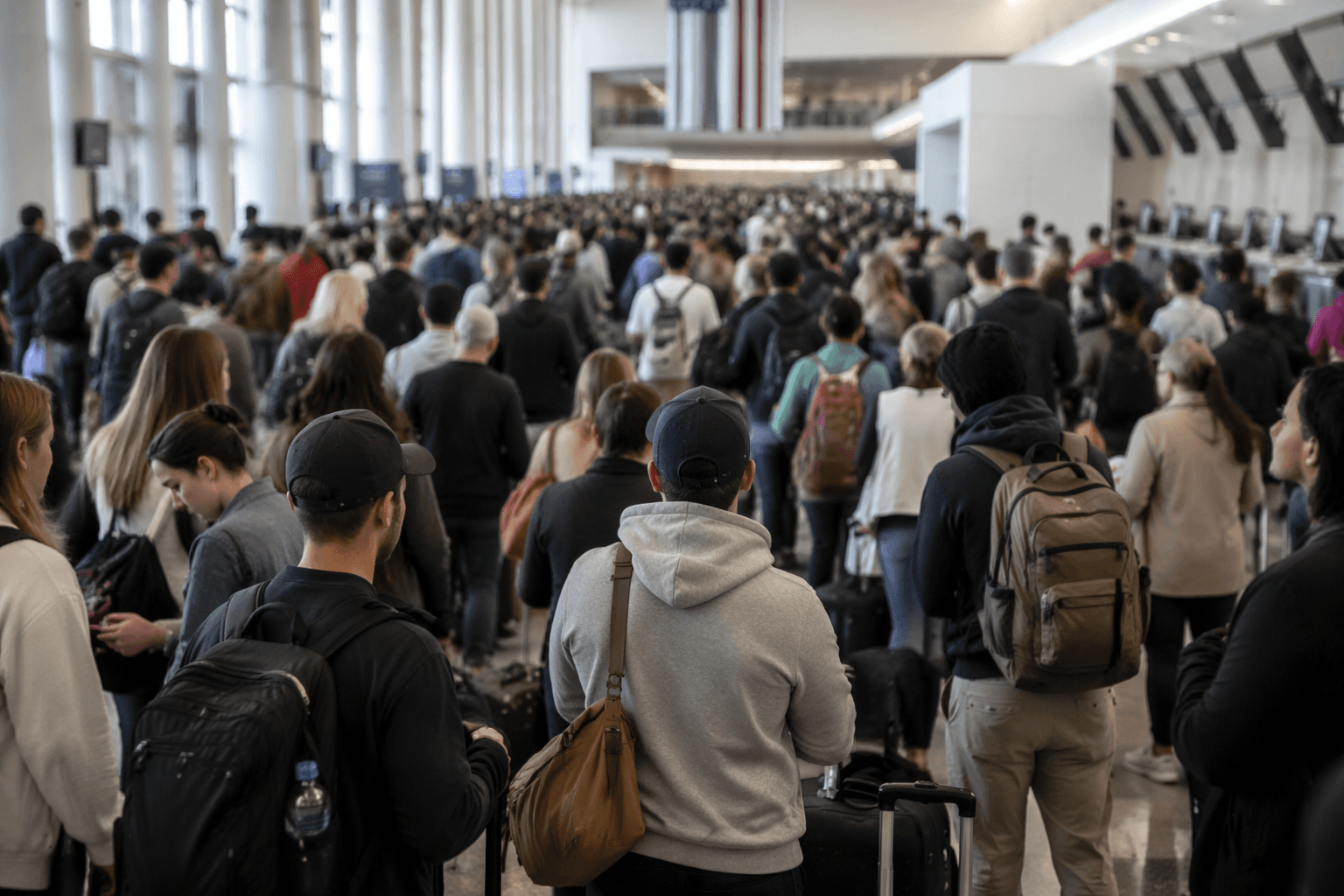
The timing matters because the fare jump came alongside a March surge in oil prices tied to the U.S.-Israeli war on Iran, a shock that tightened global energy markets and rippled into airline costs. Air travel is one of the quickest ways Americans feel an energy-price spike, and the first-quarter fare data show how fast a geopolitical event in the Middle East can reach domestic ticket counters in the United States.
Airlines did not absorb the higher fuel burden alone. Reuters-related coverage said carriers raised ticket prices and bag fees and cut schedules as jet fuel costs climbed, but those steps offset only part of the increase. Analysts also warned that fare relief can lag even when crude retreats, because tight capacity gives airlines room to keep prices firm and protect margins. U.S. airline stocks rose when crude prices later fell back toward pre-war levels, but the drop in oil has not automatically translated into cheaper domestic tickets.
The Transportation Department said its current fare report is based on roughly 40% of tickets sold after a collection change that began July 1, 2025. That makes the $428 average a wide benchmark for the domestic market, and it shows how dependent summer travel pricing remains on fuel, war risk and airline capacity. If crude stays lower, passengers may eventually see some relief. For now, the first-quarter numbers suggest many travelers are still paying the cost of the March oil shock.
This article was produced by Prism’s automated news system from verified source data, official records, and press releases, then run through automated quality and moderation checks before publishing. The system is built and supervised by the people who set the standards it runs under. Read our full AI policy.
Know something we missed? Have a correction or additional information?
Submit a Tip