U.S. eases Venezuela bank sanctions to support dollar transactions
U.S. sanctions relief now lets Venezuela’s state-run banks move dollars more easily, a change that could first ease oil payments and liquidity pressure.
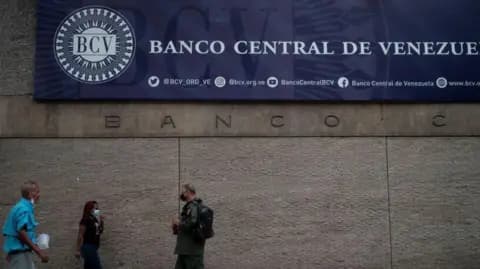
The U.S. Treasury eased sanctions on Venezuela’s state-run banking system, making it easier for the Central Bank of Venezuela and three other state-run lenders to conduct transactions in U.S. dollars and receive oil-related payments. The move is likely to benefit those institutions first, along with entities they control, as Caracas faces chronic liquidity strains and a dollarized economy still constrained by sanctions compliance.
The Treasury’s Office of Foreign Assets Control issued Venezuela General License 57 on April 14, 2026, authorizing financial services transactions involving the Central Bank of Venezuela, Banco de Venezuela, Banco Digital de los Trabajadores and Banco del Tesoro. The authorization also extends to entities in which those banks hold a direct or indirect 50% or greater stake, widening the reach of the relief beyond the named banks themselves.
The step is significant because the Central Bank of Venezuela has been under U.S. sanctions since 2019. But the license is still narrow in scope. OFAC has said other sanctions restrictions remain in place unless specifically authorized, which suggests Washington is trying to carve out a technical channel for dollar transactions rather than dismantle the broader pressure campaign.
The practical effect could be immediate in the financial plumbing of the country’s oil economy. By clearing a path for legal dollar transactions, the license may improve access to liquidity for state banks, reduce compliance bottlenecks and make it easier to move revenue tied to oil sales. That matters in a system where even routine cross-border payments have often been slowed by sanctions risk and blocked relationships with correspondent banks.
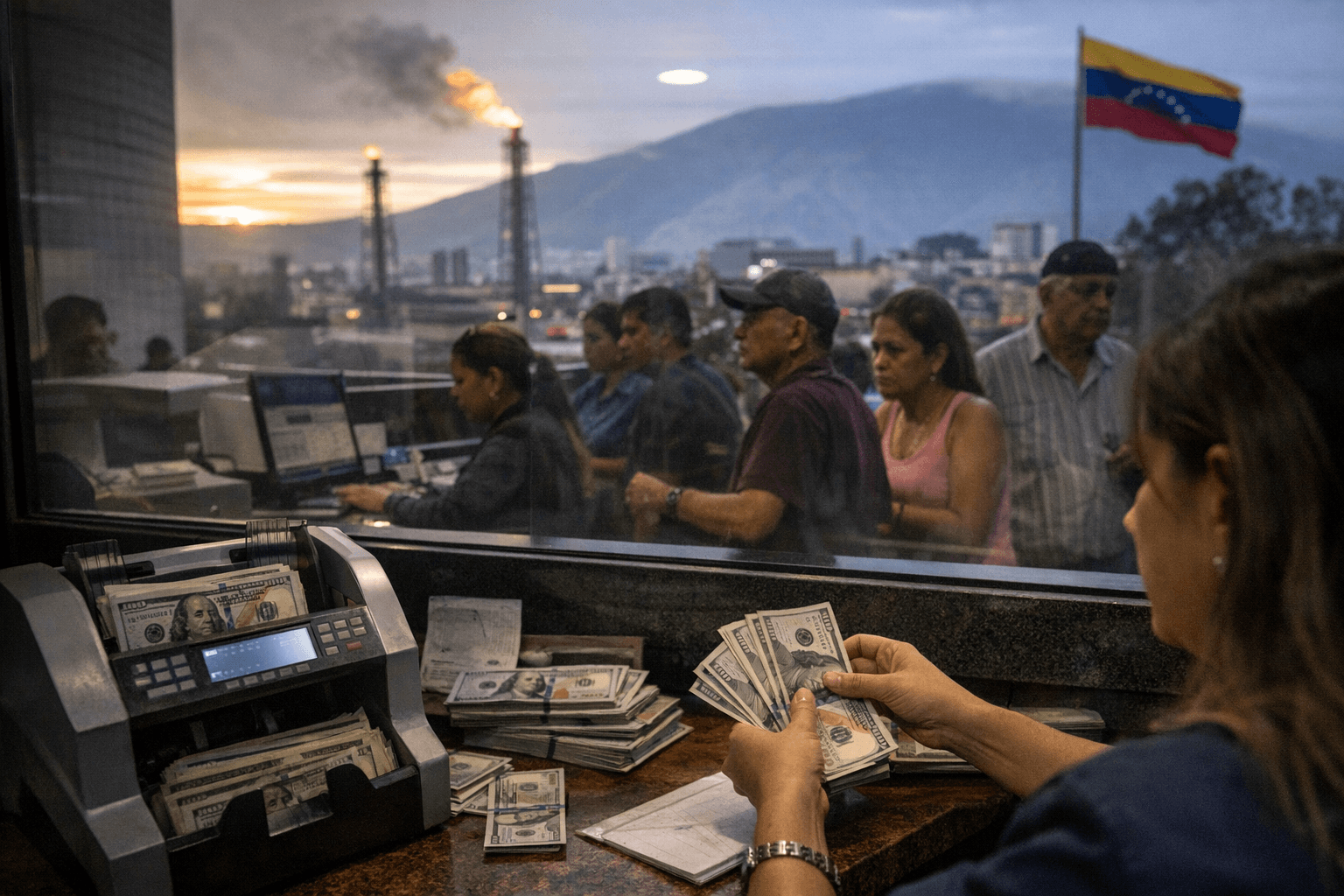
The timing also tracks with rising social pressure inside Venezuela. Workers and retirees recently protested in Caracas over wages and pensions, and Delcy Rodríguez publicly promised a wage increase starting May 1, 2026. The easing arrives as Washington appears to be weighing both economic stress in Venezuela and its own interest in supporting efforts to revive the country’s struggling oil sector.
It is not the first time the United States has used targeted relief to test leverage with Caracas. On October 18, 2023, Treasury issued general licenses tied to an electoral roadmap agreement and said it could amend or revoke the relief if commitments were not met. General License 57 points to the same pattern: limited sanctions easing, tightly drawn and reversible, but still enough to give Venezuela’s state banks a better shot at moving dollars through the system.
This article was produced by Prism’s automated news system from verified source data, official records, and press releases, then run through automated quality and moderation checks before publishing. The system is built and supervised by the people who set the standards it runs under. Read our full AI policy.
Did this article answer your question?