U.S. ends Iran oil waiver after attacks in Strait of Hormuz
After three tankers were hit near the Strait of Hormuz, Treasury cut short Iran’s oil waiver and ordered sales wound down by July 17.
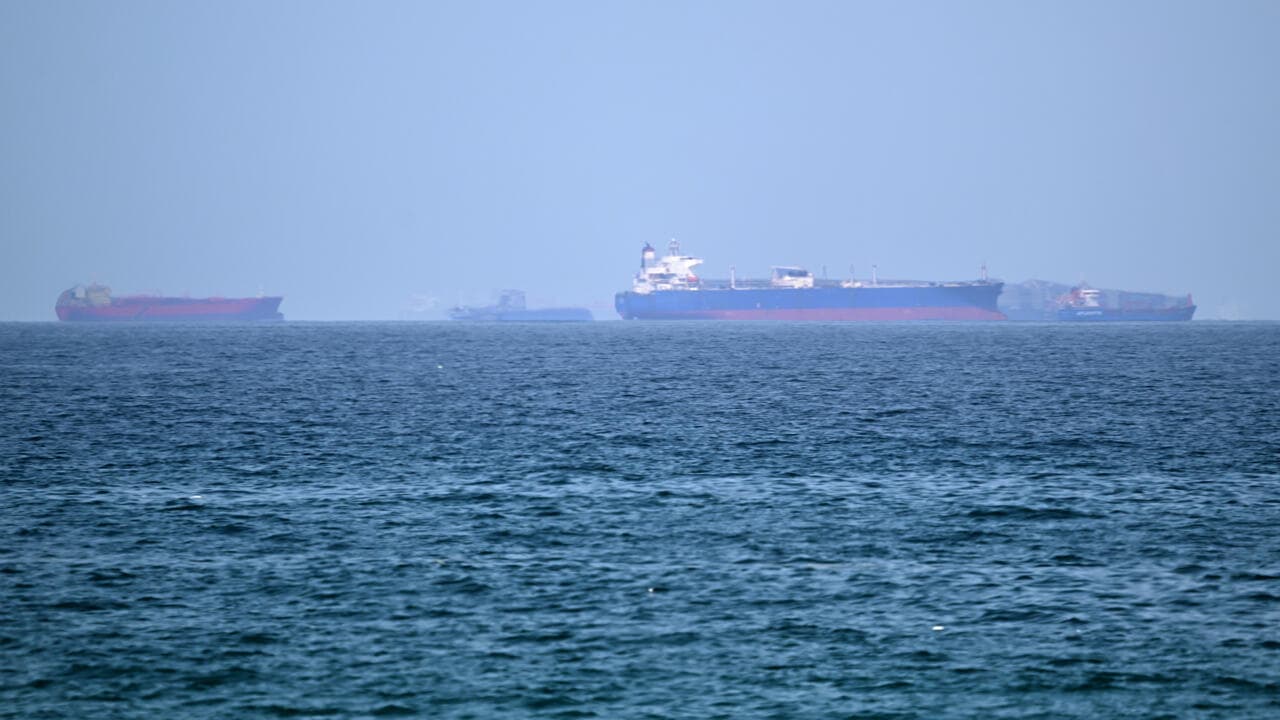
The U.S. Treasury Department revoked its temporary waiver allowing Iranian oil sales after three vessels were struck in or near the Strait of Hormuz. The order took effect immediately and required any production, delivery or sale of Iranian oil to wind down by July 17, cutting short an exemption that had been set to run through August 21.
The incidents involved a liquefied natural gas tanker, an oil supertanker and a third tanker off the coast of Oman that caught fire. U.K. Maritime Trade Operations said one ship was hit by an unknown uncrewed aerial vehicle and another by an unidentified projectile. A U.S. official said Iran’s Islamic Revolutionary Guard Corps fired missiles at two ships and struck a third commercial vessel with at least one drone. The Joint Maritime Information Center lifted the threat to shipping in the strait to severe, underscoring how quickly the attacks raised the risk of further disruption in one of the world’s most critical routes for oil and gas flows.
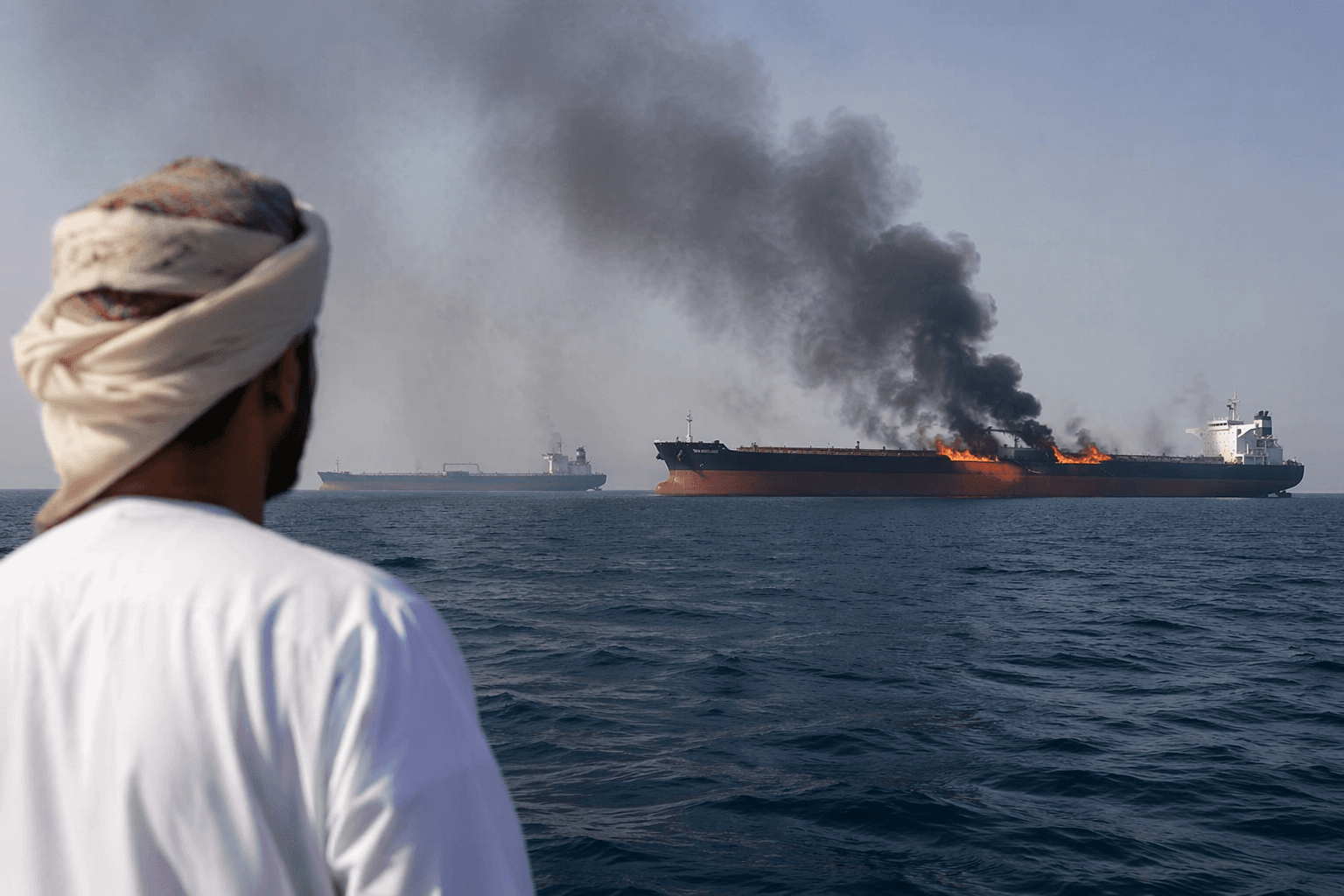
Markets reacted immediately. U.S. crude rose more than 5% to above $72 a barrel, while Brent climbed 5.3% to above $75. That kind of jump can feed through to higher gasoline prices, diesel costs and freight rates, putting pressure on U.S. households and businesses even when the disruption is centered thousands of miles away. Ships had already been avoiding the traditional route through the middle of the strait because of earlier Iranian mining activity, adding to the sense that the waterway had become a more dangerous chokepoint.
The Treasury move was framed as performance-based, with a U.S. official saying Iran would only reap benefits if it showed good behavior. But the decision also fit a broader tightening of pressure that had already been underway. On April 22, 2019, the Trump administration ended all country-specific waivers for Iranian oil imports, forcing buyers in China, India, Turkey, Japan, South Korea and Taiwan to stop purchasing or face sanctions. Just weeks later, on June 13, Secretary of State Mike Pompeo blamed Iran for tanker attacks in the Gulf of Oman near the strait, and the White House pointed to a similar May 12 attack on four tankers in the same area. Taken together, the waiver revocation looked like an immediate tactical response to the latest attacks and another step in a wider campaign to choke off Iran’s oil revenue.
This article was produced by Prism’s automated news system from verified source data, official records, and press releases, then run through automated quality and moderation checks before publishing. The system is built and supervised by the people who set the standards it runs under. Read our full AI policy.
Did this article answer your question?