U.S. expands social media vetting to all H 1B and H 4 applicants, consulates warn
U.S. embassies issued a global advisory that the State Department is now conducting expanded "online presence" reviews for all H 1B principal applicants and H 4 dependents, effective December 15, 2025. The change requires applicants to set social media profiles to "public", may lengthen visa processing, and is already disrupting interviews and travel plans for many families and workers.
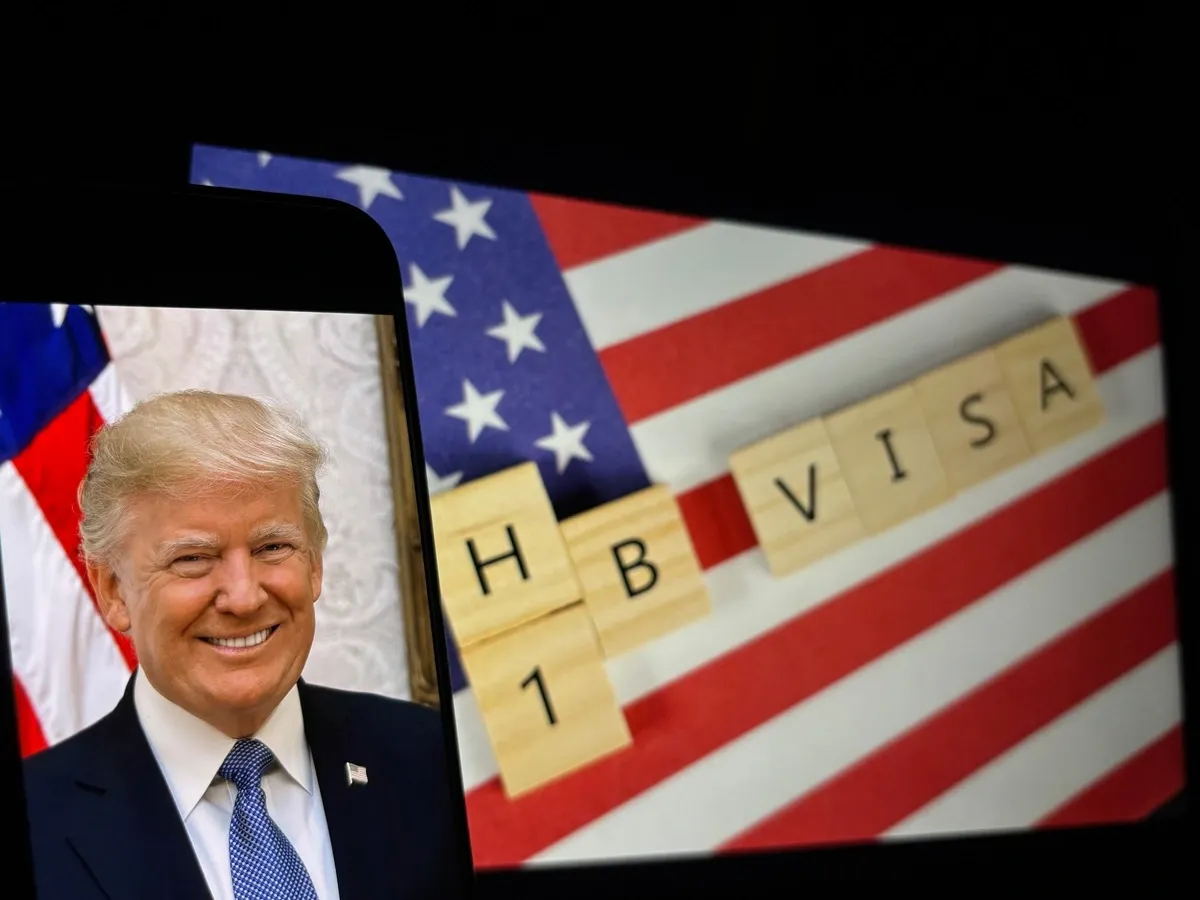
U.S. embassies worldwide have alerted visa applicants that the Department of State has expanded its use of "online presence" reviews to cover all H 1B principal applicants and H 4 dependents, a policy change that took effect on December 15, 2025. The department framed the expansion as part of a broader vetting effort that already applies to students and exchange visitors in F, M and J classifications.
The State Department notice, posted on Travel.State.Gov and summarized by immigration counsel, instructs affected applicants to adjust social media privacy settings to "public" to "facilitate" the vetting process. The department said it will use "all available information" including social media and other digital footprints to identify individuals who may be inadmissible, to assess national security or public safety risks, and to determine visa eligibility.
Consular posts signaled immediate operational effects. Embassy communications, including posts from the U.S. Embassy in India, indicate online presence reviews are now part of standard processing for these visa categories. Embassies warned applicants that reviews could extend adjudication times and that some scheduled interviews have been moved. One commentator, Daftari, said these reschedulings "has created substantial disruption in people’s ability to return to the U.S."
The expansion comes at a sensitive time for U.S. labor sectors that rely on temporary skilled workers. Indian nationals have comprised a large share of recent H 1B approvals, more than 70 percent in recent years, and media and consular reports suggest that the policy will disproportionately affect applicants from India and families who depend on timely interviews to maintain employment and residency plans. Advocates warn delays could ripple into communities and workplaces, particularly in health care and technology, where many H 1B holders work.
Health systems are among the areas likely to feel short term strain if visa delays prevent clinicians and allied health professionals from arriving as scheduled. Hospitals and clinics that depend on internationally trained staff in underserved regions may face staffing challenges at a moment when workforce shortages already strain patient care and public health preparedness. The policy also raises concerns about privacy and equity for applicants who must make private social media public to comply with consular requests.

Legal advisors and immigration firms have begun issuing client guidance to prepare applicants for longer processing times and for the practical step of making profiles public. The department and consular posts underscore that reviews are intended to be thorough, and that public social media can expedite the process by making information accessible to adjudicators.
Civil rights and immigrant advocacy groups are likely to scrutinize how the policy is implemented, citing risks that expanded digital scrutiny could entrench bias or disproportionately burden applicants from particular countries and communities. Policymakers now face a choice between enforcing broader digital vetting for security purposes and guarding against unintended harms to immigrant families, essential employers, and community health systems.
Applicants seeking up to date instructions should consult the official Travel.State.Gov visa guidance and, if needed, immigration counsel for assistance navigating privacy settings and possible delays. Consular posts say they will continue to provide updates on scheduling and processing as the expanded reviews are implemented.
This article was produced by Prism’s automated news system from verified source data, official records, and press releases, then run through automated quality and moderation checks before publishing. The system is built and supervised by the people who set the standards it runs under. Read our full AI policy.
Did this article answer your question?

