U.S. Extends License That Keeps Serbia’s Sanctioned Oil Firm Operating
U.S. extends temporary licence for Serbia’s NIS, averting immediate fuel disruption and prolonging exposure to sanctions risk.
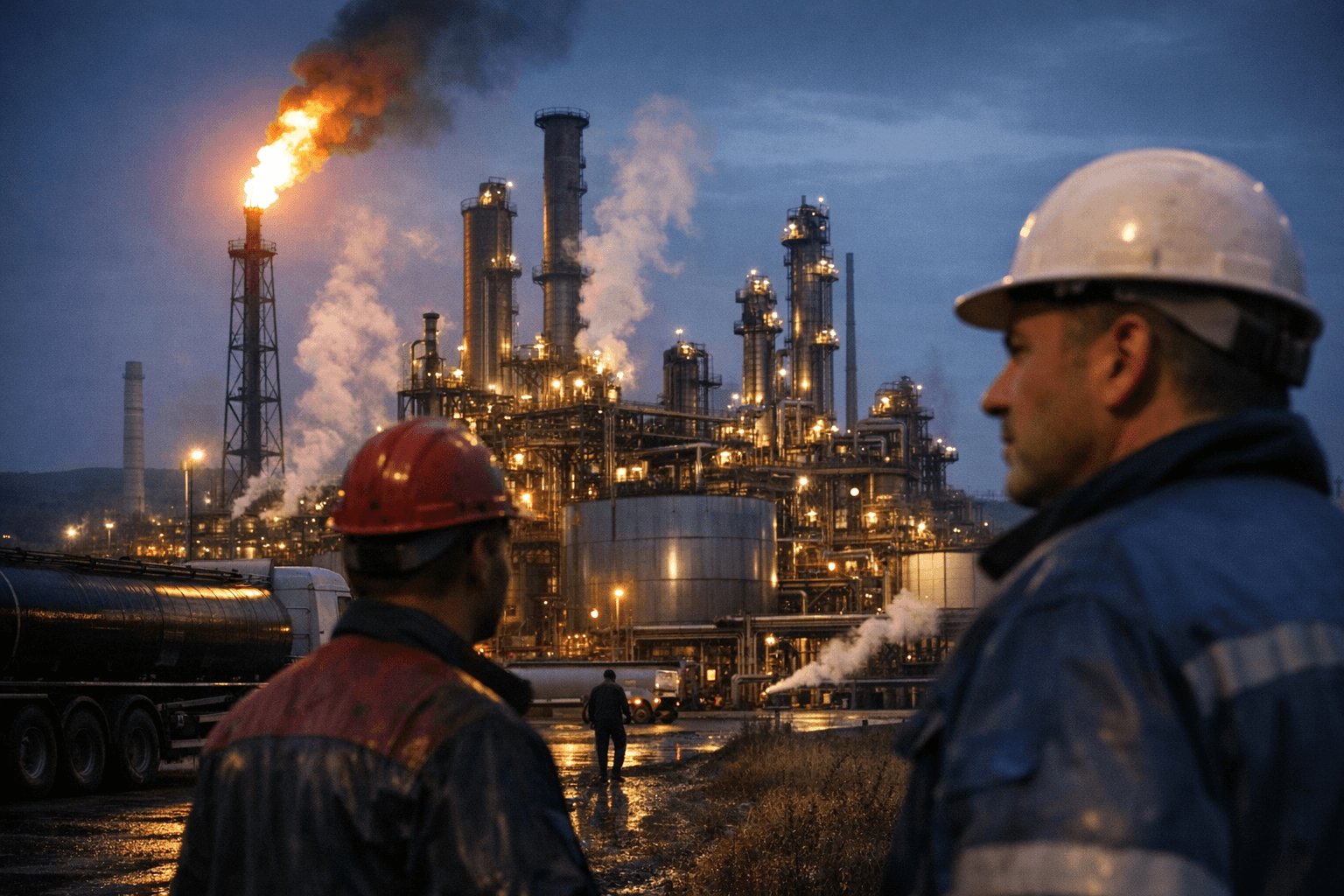
The United States has extended a temporary operating licence that allows Petroleum Industry of Serbia (NIS) to continue functioning despite U.S. sanctions tied to its Russian ownership, Serbia’s energy minister said on Jan. 24. The extension, granted by the Treasury’s Office of Foreign Assets Control, preserves NIS’s ability to run refineries, sell fuel and maintain critical supply chains while leaving the company under sanctions constraints.
NIS is majority-owned by Russia’s Gazprom Neft, a connection that drew it under U.S. measures targeting Russian-owned energy assets after Moscow’s 2022 invasion of Ukraine. The OFAC licence extension effectively buys time for Serbia’s government and NIS management to manage logistics, payments and contracts that could otherwise be disrupted by sanctions enforcement. The ministry framed the move as preventing an abrupt shock to domestic fuel supplies, a central political and economic priority for Belgrade.
Economically, the extension reduces the near-term risk of shortages that would push up domestic pump prices and inflation. Serbia imports a large share of refined fuels for transportation and heating, and NIS supplies a substantial portion of the local market through its refining and distribution network. A sudden halt in NIS operations would have risked price spikes and supply bottlenecks in both retail and industrial fuel users, with knock-on effects for manufacturing, transport and agricultural sectors.
Market implications extend beyond immediate logistics. The licence keeps revenue flowing to NIS and by extension to state budgets that benefit from energy sector taxes and dividends, which helps stabilize short-term fiscal forecasts. At the same time, the arrangement sustains a degree of legal and financial uncertainty that can deter new foreign investment and complicate banks’ exposure to Serbia’s energy sector. Credit analysts will likely treat repeated licence renewals as a sign of persistent sanction risk, which could weigh on sovereign risk premia and borrowing costs for state-linked firms.
Policy trade-offs for Belgrade are stark. The government must balance energy security and economic stability against long-term geopolitical alignment and its ambitions to deepen ties with the European Union. Relying on temporary U.S. licences keeps refineries operating now but prolongs dependence on a firm with Russian ownership at a time when Western partners are pressing for reduced exposure to Russian-controlled energy assets.
For NATO and EU members in the region, the extension is a reminder that sanctions policy can include narrowly tailored permissions to avoid humanitarian or economic dislocation, but those permissions are temporary tools rather than long-term solutions. Options available to Serbia include seeking a broader licence, negotiating ownership changes at NIS, accelerating diversification of imports and storage, or bolstering strategic reserves to reduce vulnerability to future licence decisions.
The licence extension closes an immediate policy and market gap, but it leaves open a series of structural questions about ownership, regulatory alignment and Serbia’s exposure to geopolitical shocks. How Belgrade navigates those questions will shape regional energy resilience, investor confidence and the country’s economic trajectory in the years ahead.
This article was produced by Prism’s automated news system from verified source data, official records, and press releases, then run through automated quality and moderation checks before publishing. The system is built and supervised by the people who set the standards it runs under. Read our full AI policy.
Did this article answer your question?

