U.S. fires more interceptors than Israel in Iran conflict, straining stockpiles
The Pentagon fired more advanced interceptors than Israel in the Iran war, spending roughly half its THAAD inventory and exposing a major stockpile strain.

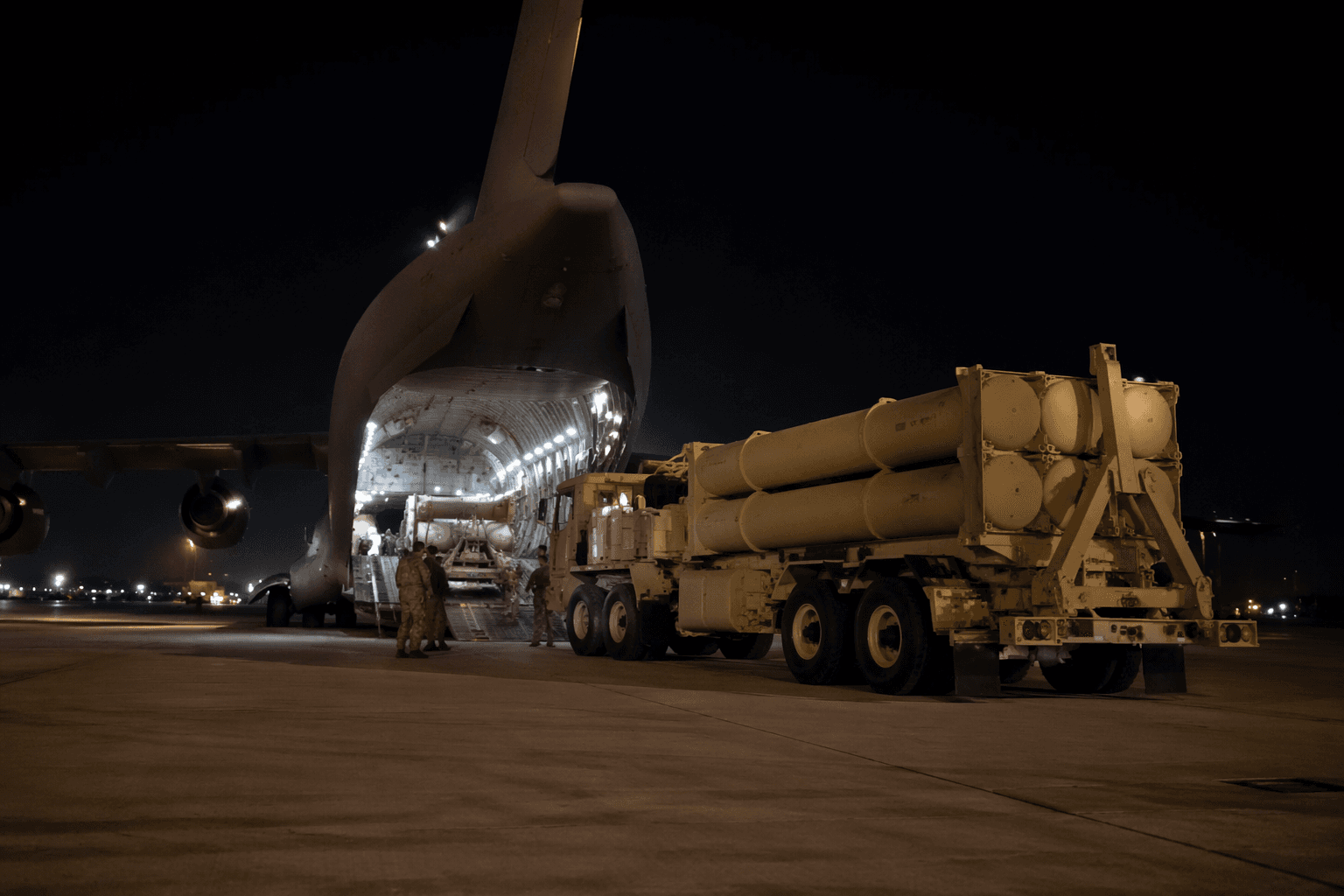
The United States fired more advanced missile interceptors defending Israel than Israel did during its clash with Iran, and the cost was unusually large: more than 200 THAAD interceptors, roughly half of the Pentagon’s THAAD inventory, plus more than 100 SM-3 and SM-6 interceptors launched from naval vessels in the Eastern Mediterranean.
Defense Department data showed that American forces carried a heavier share of the air-defense burden even though the fight was centered on Israeli territory. The imbalance turned a regional missile exchange into a direct test of U.S. readiness, because every interceptor fired is one less round available for another crisis. For Washington, the immediate question is not only whether the defense worked, but how quickly stocks can be replenished and what other missions may feel the strain if inventories stay tight.
The pressure on missile defenses had already surfaced before the latest reporting. In March 2026, U.S. officials said Israel had told Washington it was critically low on ballistic-missile interceptors. Gideon Saar denied that claim on March 15, and the Israel Defense Forces later said it had no shortage of interceptors and was ready for any scenario. Israeli reporting on March 28 and 29 then said Israel had begun limiting use of its most advanced missile interceptors and leaning more on less capable systems as Iranian barrages continued.
The exchange underscored how quickly a modern air war can become a stockpile war. The Arms Control Association said experts estimated that 90% to 92% of Iranian missiles were intercepted, a rate that points to both the effectiveness and the cost of layered defenses. The Center for Strategic and International Studies warned across 2025 and 2026 that the Iran conflict exposed the scarcity of interceptors and the pressure on U.S. and allied munitions inventories.
That leaves Pentagon planners facing a hard arithmetic problem. If the United States is expending hundreds of advanced interceptors to protect a partner, even without sending troops into direct combat, it is assuming a substantial share of the defense burden and absorbing the risk that production lines may not keep pace. In Washington, the war has become a test of how long America can stand behind the shield before that shield starts thinning elsewhere.
This article was produced by Prism’s automated news system from verified source data, official records, and press releases, then run through automated quality and moderation checks before publishing. The system is built and supervised by the people who set the standards it runs under. Read our full AI policy.
Did this article answer your question?