U.S. investigators suspect China-linked hackers breached FBI network
U.S. investigators suspect Chinese-affiliated hackers accessed an unclassified FBI system holding domestic surveillance data; Congress was notified and forensics are ongoing.

U.S. investigators suspect hackers affiliated with the Chinese government breached an internal FBI computer network that contains information related to some domestic surveillance orders, according to published reports and a notification reviewed by Reuters. The discovery prompted the FBI to notify Congress and has prompted coordination among multiple agencies as forensic teams work to determine the scope and impact.
Reuters, which reviewed a copy of the FBI notification to lawmakers, reported the bureau began probing "abnormal log activity" on the targeted system on February 17. The notification described the system as unclassified and said it "contains information about and related to the communications of people under FBI investigation." The FBI characterized the attackers' techniques as "sophisticated," and said remediation and forensic investigations were ongoing, Reuters reported. The agency declined to comment when contacted by Reuters; the Wall Street Journal reported the FBI had identified and addressed the suspicious activity, a discrepancy that underlines how few public details have been released.
The White House, National Security Agency, Department of Homeland Security's Cybersecurity and Infrastructure Security Agency and the FBI are reported to be collaborating on the probe, according to Politico as cited by Reuters. A White House official told Reuters it "regularly convenes meetings to discuss any cyber threat to the U.S.," but would not discuss details of any particular incident. CISA referred questions to the FBI and the NSA did not respond to requests for comment. The Chinese embassy in Washington did not immediately reply to requests for comment.
Independent analysts have flagged the potential for wider operational and political consequences even as investigators stress that the scope and severity "are not known, and the investigation is in its early stages." Public confirmation that classified systems were unaffected would limit immediate national security fallout, but the targeting of a system tied to domestic surveillance orders raises civil liberties and oversight issues that will likely draw congressional scrutiny.
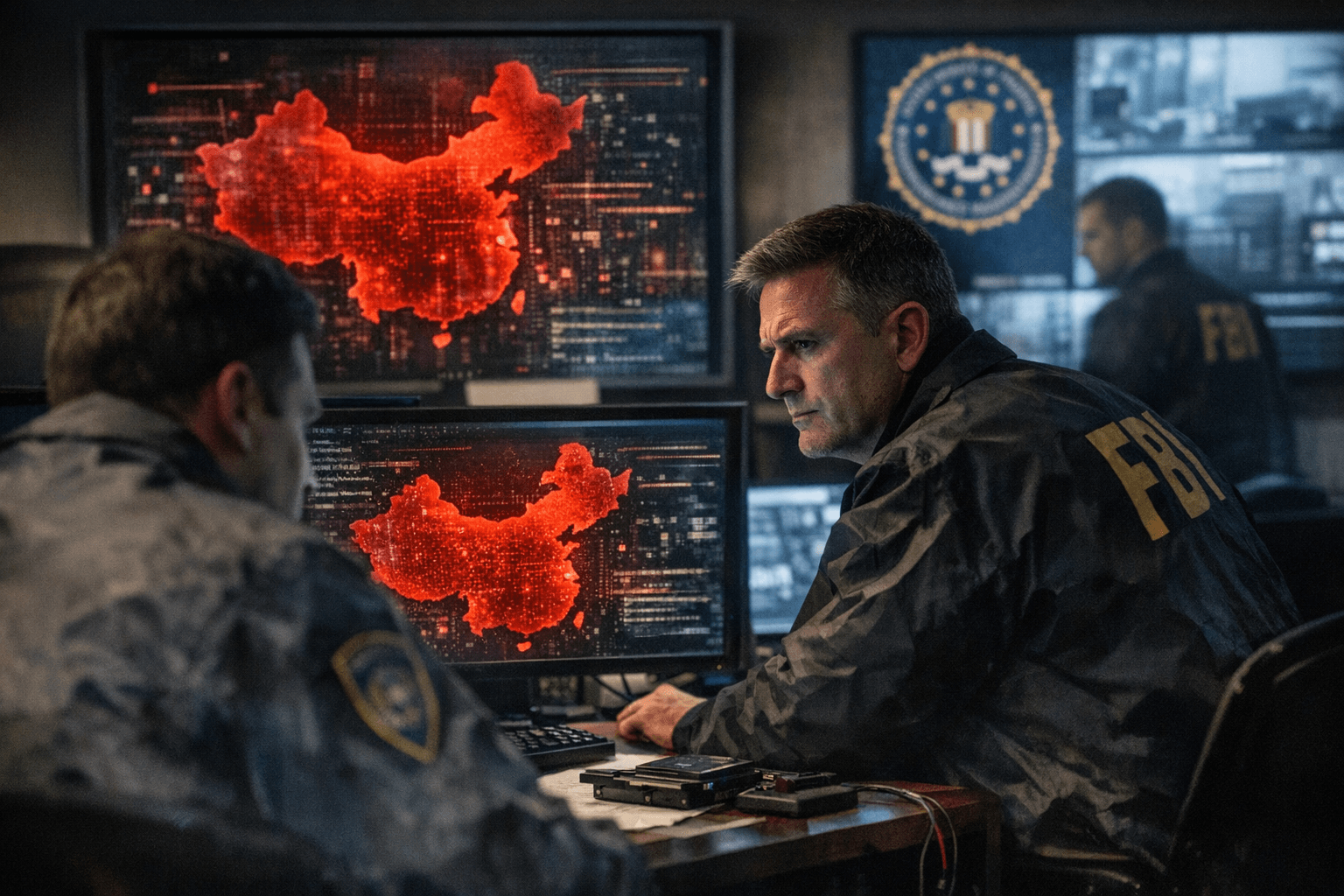
A technology commentator on Substack, writing as Rodtrent, described the targeted system as holding detailed metadata such as incoming and outgoing calls, IP addresses, website visits and routing information for subjects under watch, and he said early signs link the incident to the so-called Salt Typhoon campaign. Those technical assertions, including a claim that Salt Typhoon has siphoned data across more than 80 countries and did not take actual message contents, remain uncorroborated by Reuters or the FBI and are presented as analysis rather than confirmed fact.
For markets and firms that supply surveillance technology and telecom carriers, the episode will sharpen investor focus on cybersecurity exposure and regulatory risk. Vendors could face increased compliance costs and lost business if clients demand stronger assurances or if Congress presses for tighter controls on data handling. Cybersecurity service providers can expect greater demand for intrusion detection, threat hunting and forensic services from both government and corporate customers.
The principal policy outcome is likely to be intensified oversight and a push for faster information-sharing between agencies and Congress. With key technical questions unanswered, the investigation will determine whether the incident was limited to metadata on an unclassified system or whether more damaging exfiltration occurred; the answer will drive legal, fiscal and diplomatic responses.
Know something we missed? Have a correction or additional information?
Submit a Tip

