U.S.-Iran deal talks raise questions over who gains most
Iran has already banked the clearest gains: a ceasefire, a possible reopening of the Strait of Hormuz and talk of economic relief before final terms are set.
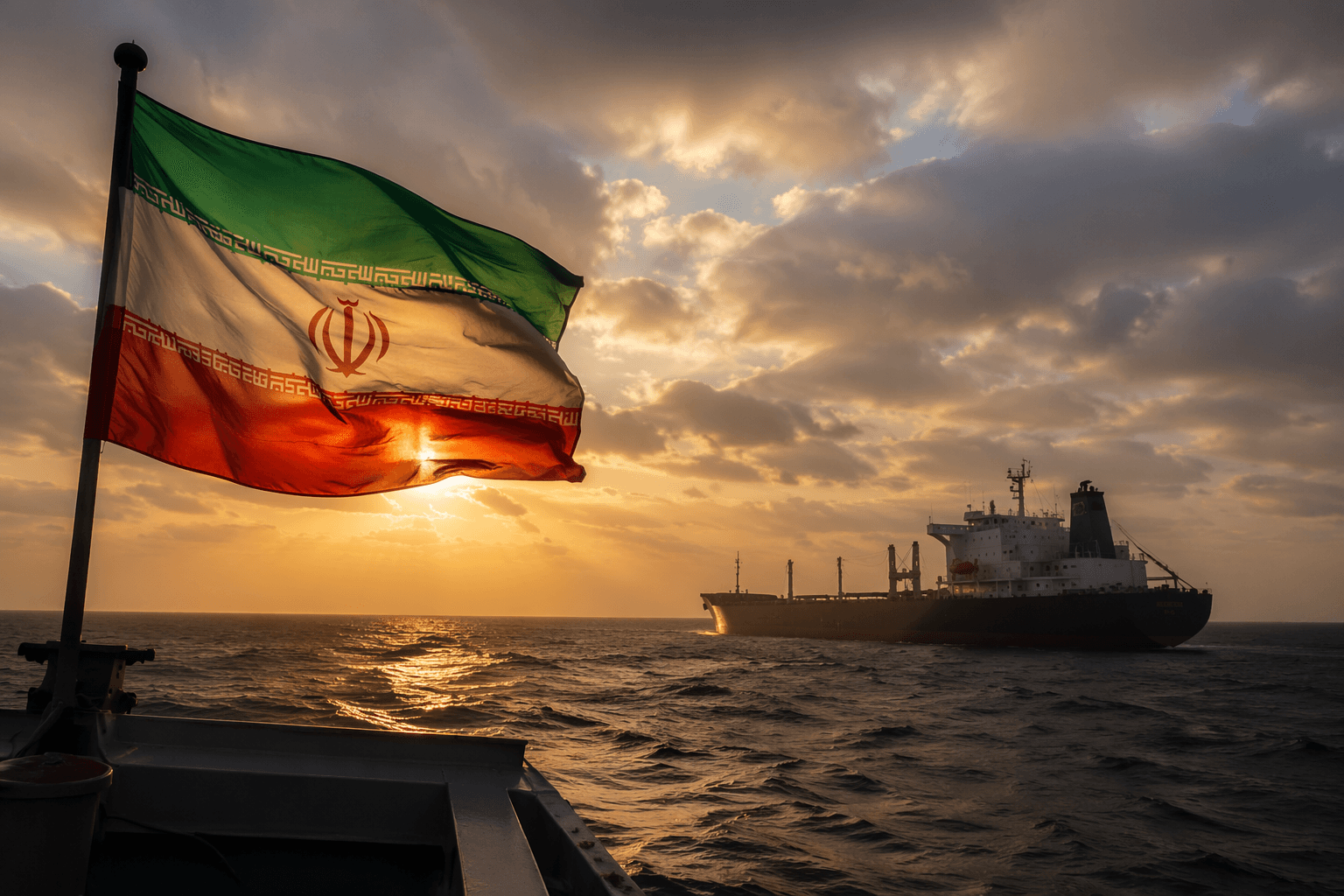
Iran appears to have secured the most immediate leverage in the emerging U.S.-Iran talks, even before a final agreement is locked down. The reported framework points to a 60-day ceasefire, a reopening of the Strait of Hormuz and fresh negotiations over Iran’s nuclear program, but the terms still leave open how much control Tehran keeps over the region and what Washington gets in return.
The biggest concrete gain, by Mona Yacoubian’s telling, would be the reopening of the strait after nearly four months of closure. She said that, if the reported terms were accurate, this would be the most significant element because the shutdown had produced enormous damage for energy markets and economies around the world. That is not a symbolic win. It is a material change in the flow of oil and trade through one of the world’s most sensitive chokepoints.
The emerging deal also gives Iran relief before final negotiations even begin. The Center for Strategic and International Studies has said the package includes an end to military operations, a halt to the U.S. naval blockade and the prospect of economic incentives. Separate reporting around the talks has said sanctions relief and access to frozen assets remain central sticking points, alongside a $300 billion private fund for investment in Iran, with more than half of it reportedly already committed.
For Washington, the early scorecard looks thinner. A ceasefire and a pause in maritime disruption would ease pressure on global markets and buy time for diplomacy, but those are stabilizing outcomes rather than hard concessions from Tehran. The actual text had not been fully public when early analysis was published, leaving major questions unanswered about enforcement, sequencing and whether any Iranian commitments would outlast the current pause in fighting.
The regional backdrop makes the stakes sharper. Gulf Arab states have reacted with a mix of relief and trepidation, after months in which every Gulf Cooperation Council country saw some part of its energy infrastructure hit by Iranian strikes. A June 3 Iranian drone attack on Kuwait International Airport killed one person and injured several others, underscoring how quickly the conflict spilled beyond military targets. Yacoubian warned in June that the war was on the verge of full resumption after the Israel-Iran escalation and a Houthi Red Sea naval blockade announcement.
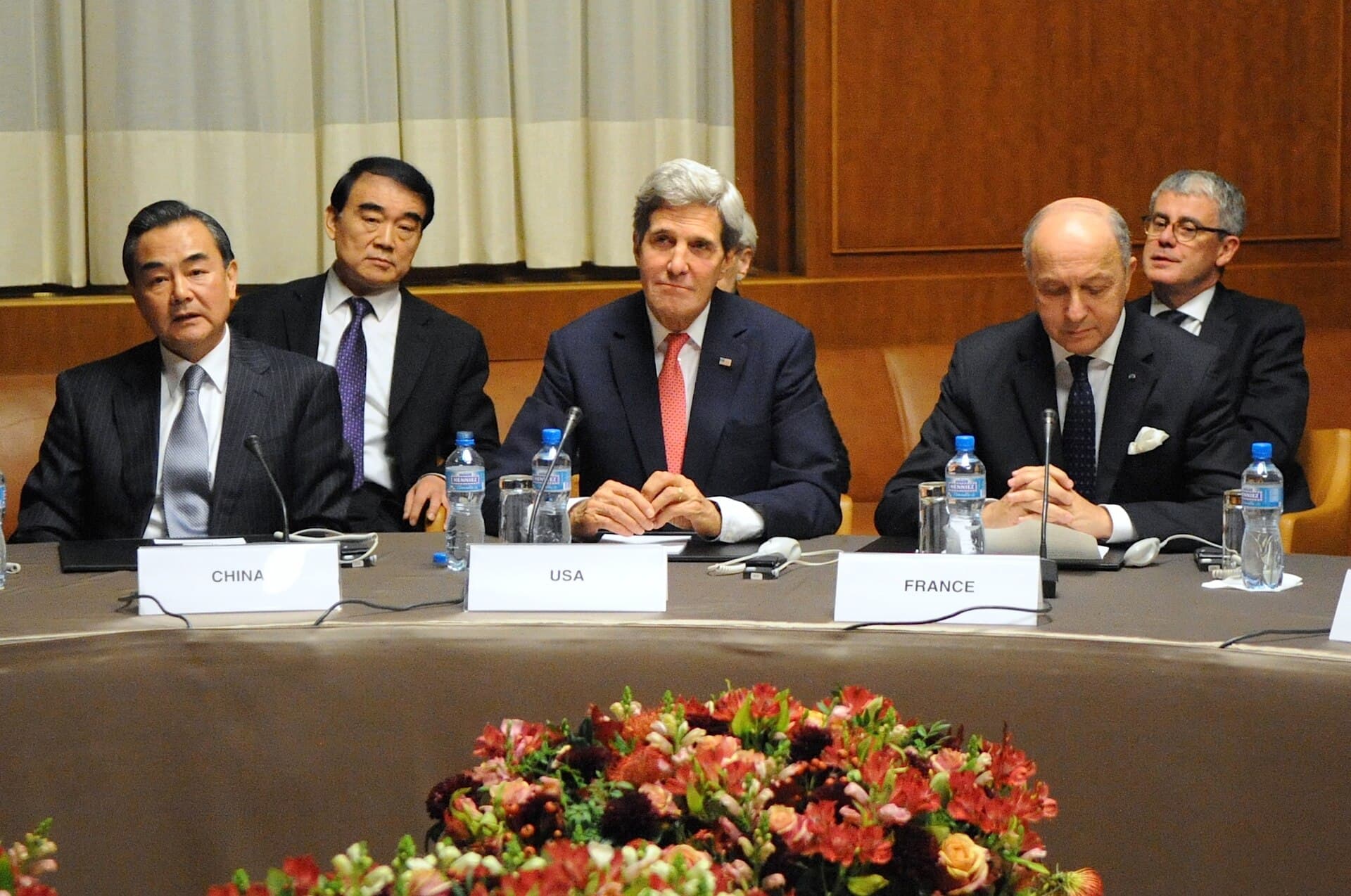
The talks have already created a diplomatic opening in Geneva, and both sides are likely to claim victory. The harder test is whether the emerging framework changes facts on the ground or only freezes a conflict long enough for Iran to lock in benefits that are concrete, immediate and difficult to claw back.
This article was produced by Prism’s automated news system from verified source data, official records, and press releases, then run through automated quality and moderation checks before publishing. The system is built and supervised by the people who set the standards it runs under. Read our full AI policy.
Did this article answer your question?