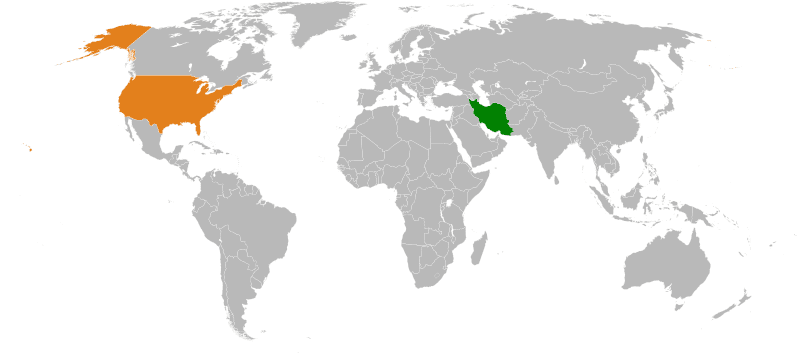
US, Iran resume talks as fragile ceasefire eases oil shock
JD Vance joined Iran talks in Switzerland as a fragile ceasefire steadied oil markets and eased gas prices, but the nuclear dispute and MAGA backlash stayed alive.

U.S. and Iranian negotiators met in Switzerland on Sunday with Vice President JD Vance joining Steve Witkoff and Jared Kushner, an early sign that the ceasefire ending the Iran war has moved diplomacy back to the center of Donald Trump’s second term. The talks are meant to hammer out an interim agreement, but the politics around the deal are already splitting along familiar fault lines in Washington.
The agreement has eased the immediate oil shock that sent gas prices higher during the war, giving Republicans some relief at the pump. But the ceasefire remains fragile, and Iranian officials have signaled they could close the Strait of Hormuz again, underscoring how quickly the arrangement could unravel if either side decides leverage matters more than restraint.
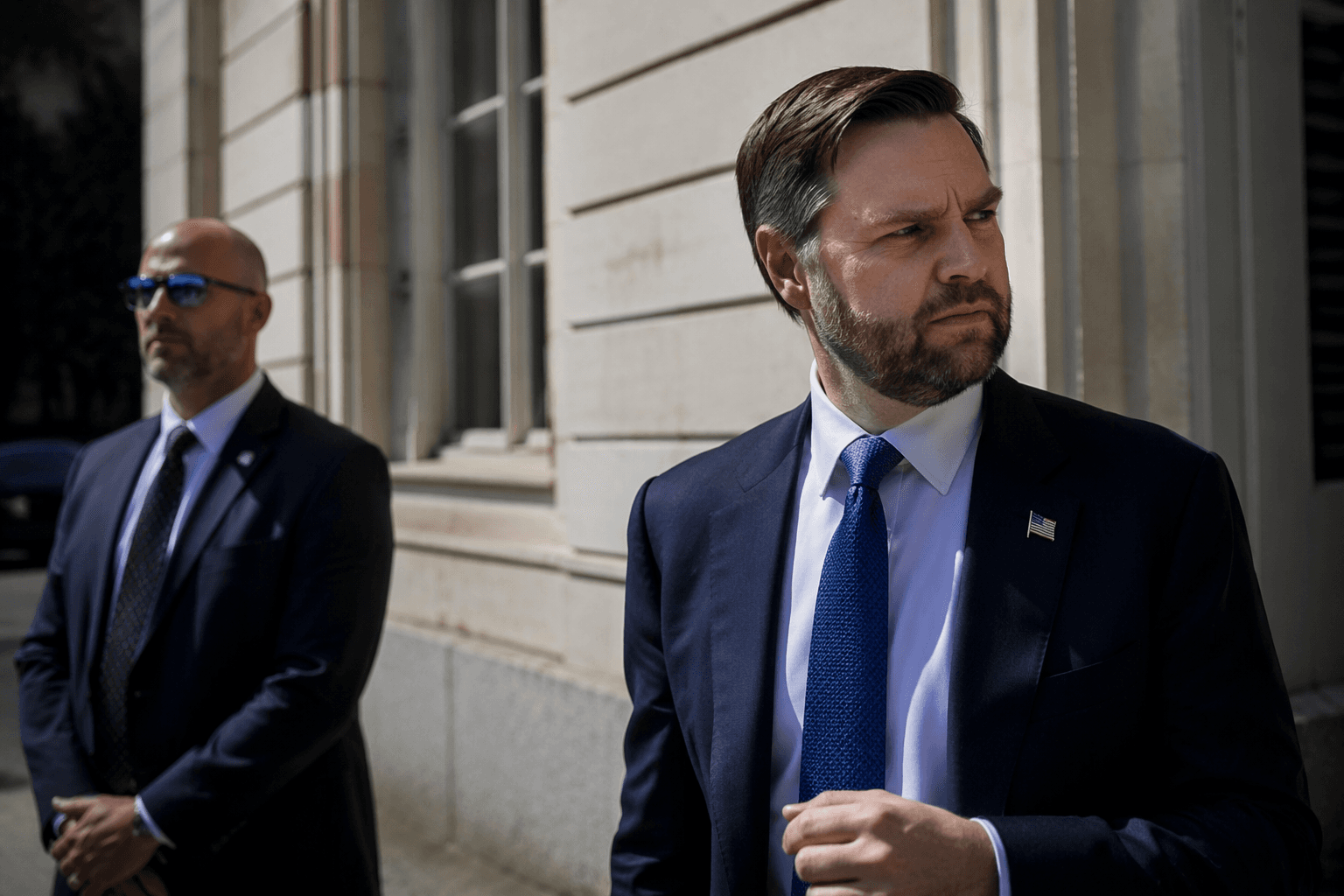
For Trump, the war’s aftershocks are now political as much as strategic. The White House wants the ceasefire to read as a breakthrough, yet the underlying disputes have not gone away: Iran’s enrichment program remains unresolved, Israel’s regional attacks continue to hang over the diplomacy, and the administration is trying to contain a growing MAGA backlash over any deal that looks too accommodating. What was supposed to be an exit from war is turning into a test of whether Trump can sell peace without looking weak.
Republicans are not united in how to talk about it. Some are pointing to falling gas prices as evidence the administration contained a wider energy crisis, while others worry the deal leaves Iran with too much room to maneuver. That tension matters because the economic pain from the conflict may outlast the fighting itself, with higher costs for gas, groceries and flights still working through the system even as oil markets calm.
Democrats see a cleaner opening. They are arguing that Trump started an economically painful war and delivered nothing durable in return, turning the ceasefire into proof that the conflict was unnecessary and costly from the start. The argument is landing in a political calendar that is already moving fast: primary contests for the 2026 midterms began in early March and run through the summer, and the November 3 general election will decide control of both chambers of Congress. Democrats need to flip four Senate seats to take the chamber.
The result is a deal neither party can fully celebrate. Trump gets a chance to claim he forced Iran back to the table, but the peace remains provisional and the leverage remains dangerous. In the weeks ahead, the real test will be whether lower gas prices and a pause in fighting can outrun the deeper disputes still unsettled in Switzerland.
This article was produced by Prism’s automated news system from verified source data, official records, and press releases, then run through automated quality and moderation checks before publishing. The system is built and supervised by the people who set the standards it runs under. Read our full AI policy.
Know something we missed? Have a correction or additional information?
Submit a Tip