US, Iran Talks Fail as Trump Orders Hormuz Blockade
A 21-hour U.S.-Iran summit ended without a deal, and Trump ordered an immediate Hormuz blockade that could hit oil prices, shipping insurance and inflation.
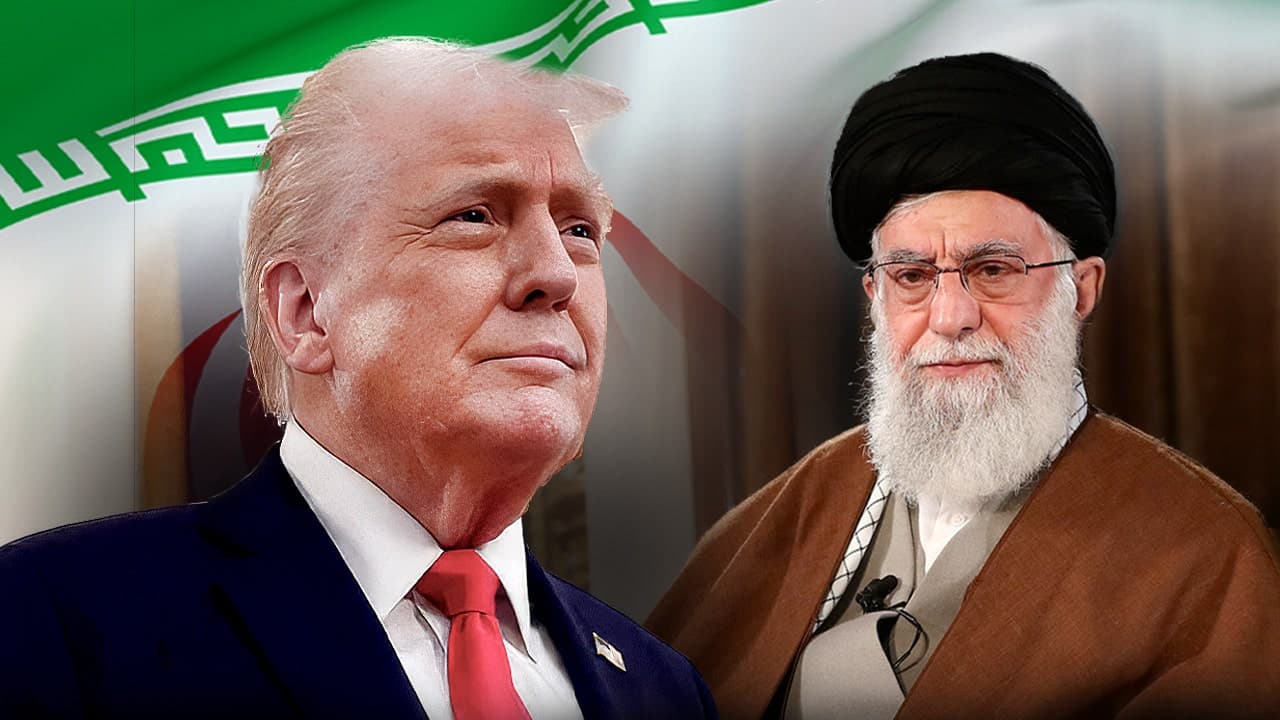
The collapse of U.S.-Iran talks turned almost immediately into an economic and military threat with global reach. After a 21-hour negotiating session in Islamabad ended without agreement, President Donald Trump ordered the U.S. Navy to begin blockading the Strait of Hormuz “effective immediately,” a move that could send oil prices higher, raise shipping insurance costs and deepen inflation pressure just as markets were already bracing for disruption.
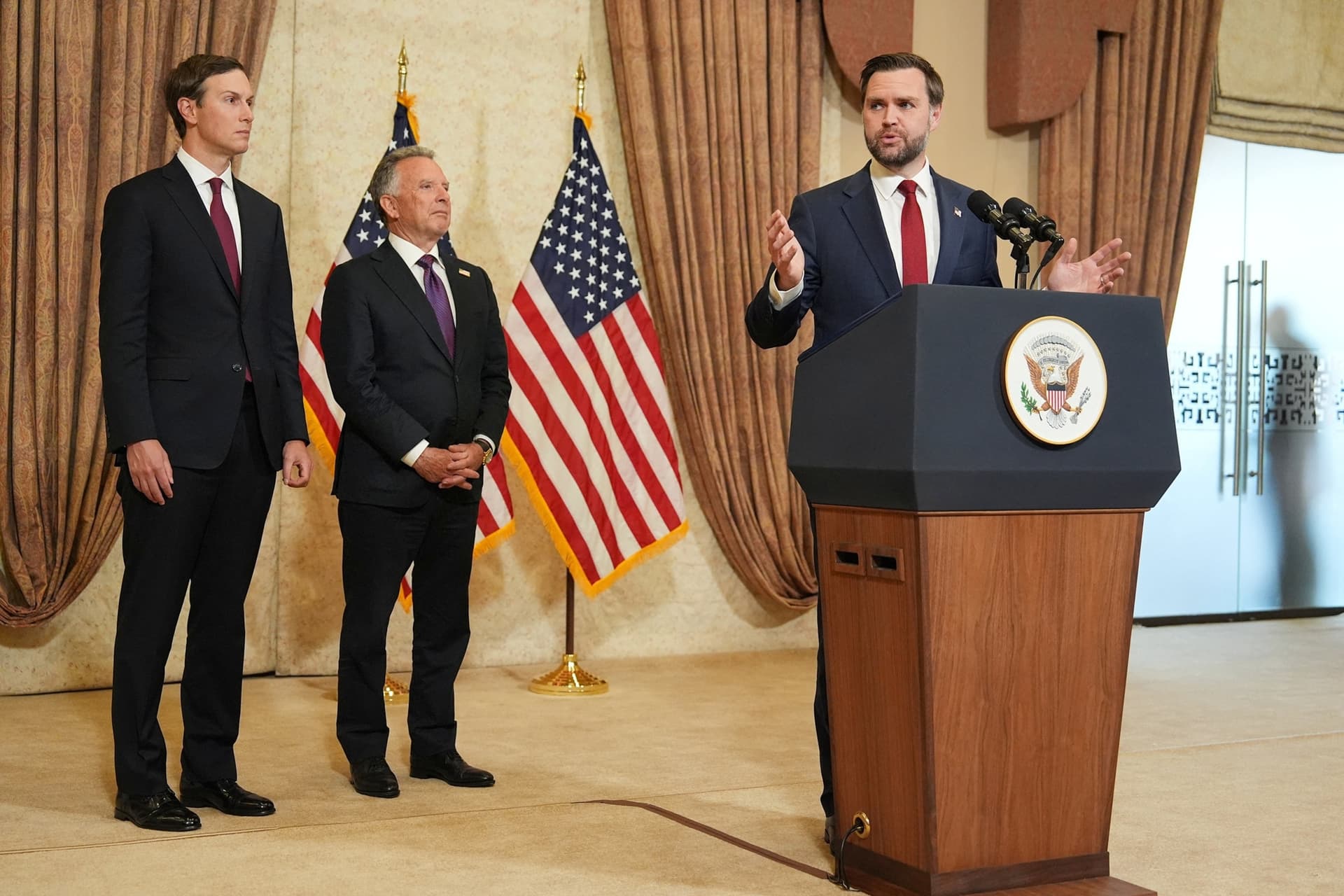
Vice President JD Vance said the Iranian delegation refused to accept U.S. demands not to develop a nuclear weapon. Iranian negotiators, led by parliamentary speaker Mohammad Baqer Qalibaf and Foreign Minister Abbas Araqchi, argued that Washington had not earned Tehran’s trust despite what Qalibaf called “forward-looking initiatives.” Both sides blamed the other for the breakdown, leaving the fate of a fragile two-week ceasefire unsettled after six weeks of fighting that have killed thousands and shaken the global economy.
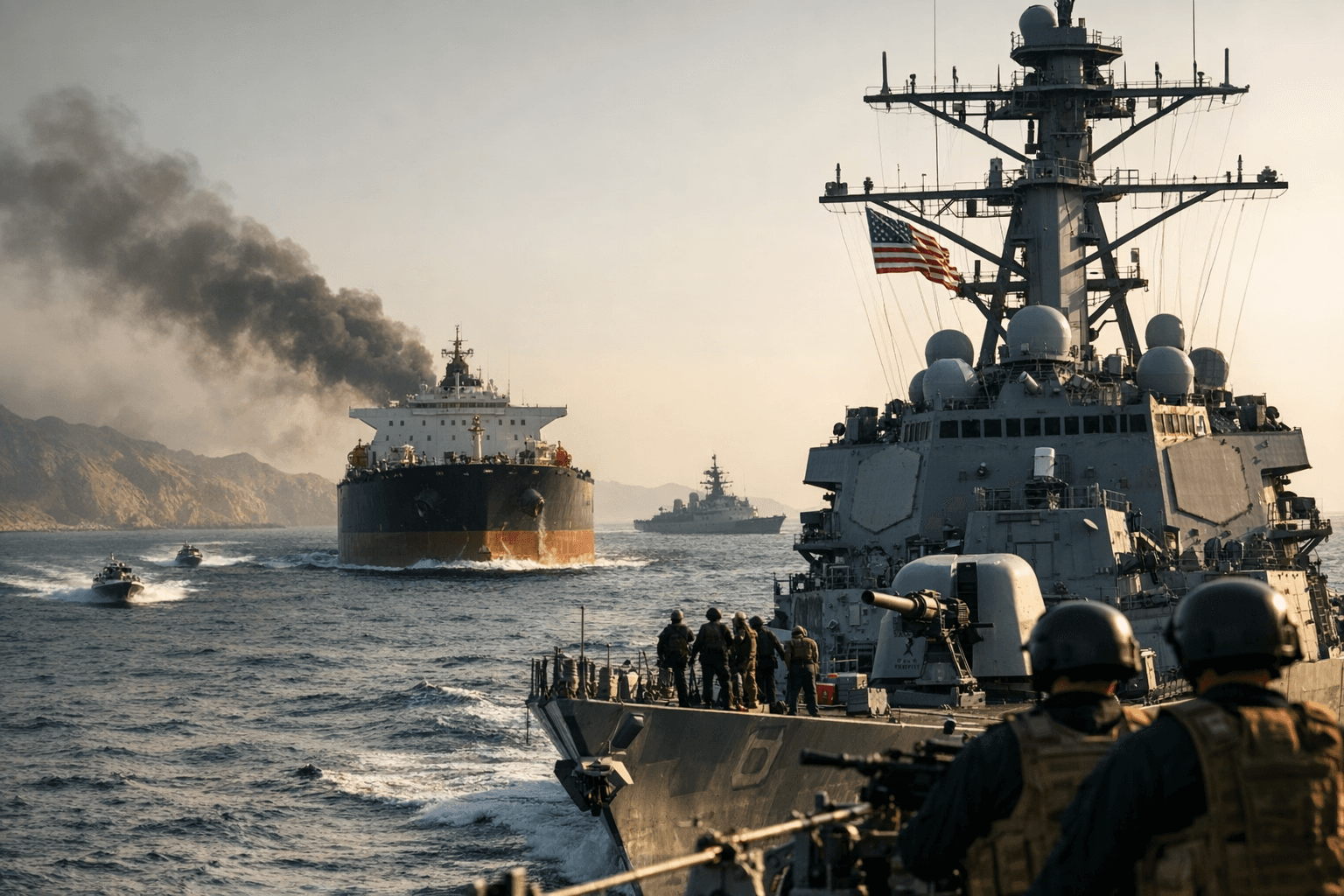
Trump said the blockade would stop ships from entering or leaving the waterway and that U.S. forces would interdict vessels in international waters that had paid a toll to Iran. He said Iran would not be allowed to profit from what he called extortion. The order marked a sharp escalation from diplomacy to force, and it raised the risk of direct U.S.-Iran conflict at a moment when shipping operators were already trying to map a safer path through the Gulf.
The stakes are enormous because the Strait of Hormuz is the world’s most important oil chokepoint. The U.S. Energy Information Administration says about 20 million barrels per day flowed through it in 2024, equal to roughly 20% of global petroleum liquids consumption, and the agency calls it the largest chokepoint in the world by oil transit volume. The International Energy Agency puts the figure at about 20 million barrels a day, or around one-quarter of world seaborne oil trade, with roughly 80% of the crude headed for Asia.
The strait also carries vital gas exports. The International Energy Agency says about 93% of Qatar’s LNG exports and 96% of the UAE’s LNG exports pass through the waterway, making any prolonged disruption a threat not just to oil markets but to global gas supplies as well.
During the talks, the U.S. military said two destroyers transited the strait ahead of mine-clearing work, the first such move since the war began, while Iran’s state media said the joint military command denied that account. Reuters also reported that three fully laden supertankers crossed the strait on Saturday, a sign that shipping was already trying to adapt to the crisis even as the wider confrontation moved closer to open maritime confrontation.
Know something we missed? Have a correction or additional information?
Submit a Tip