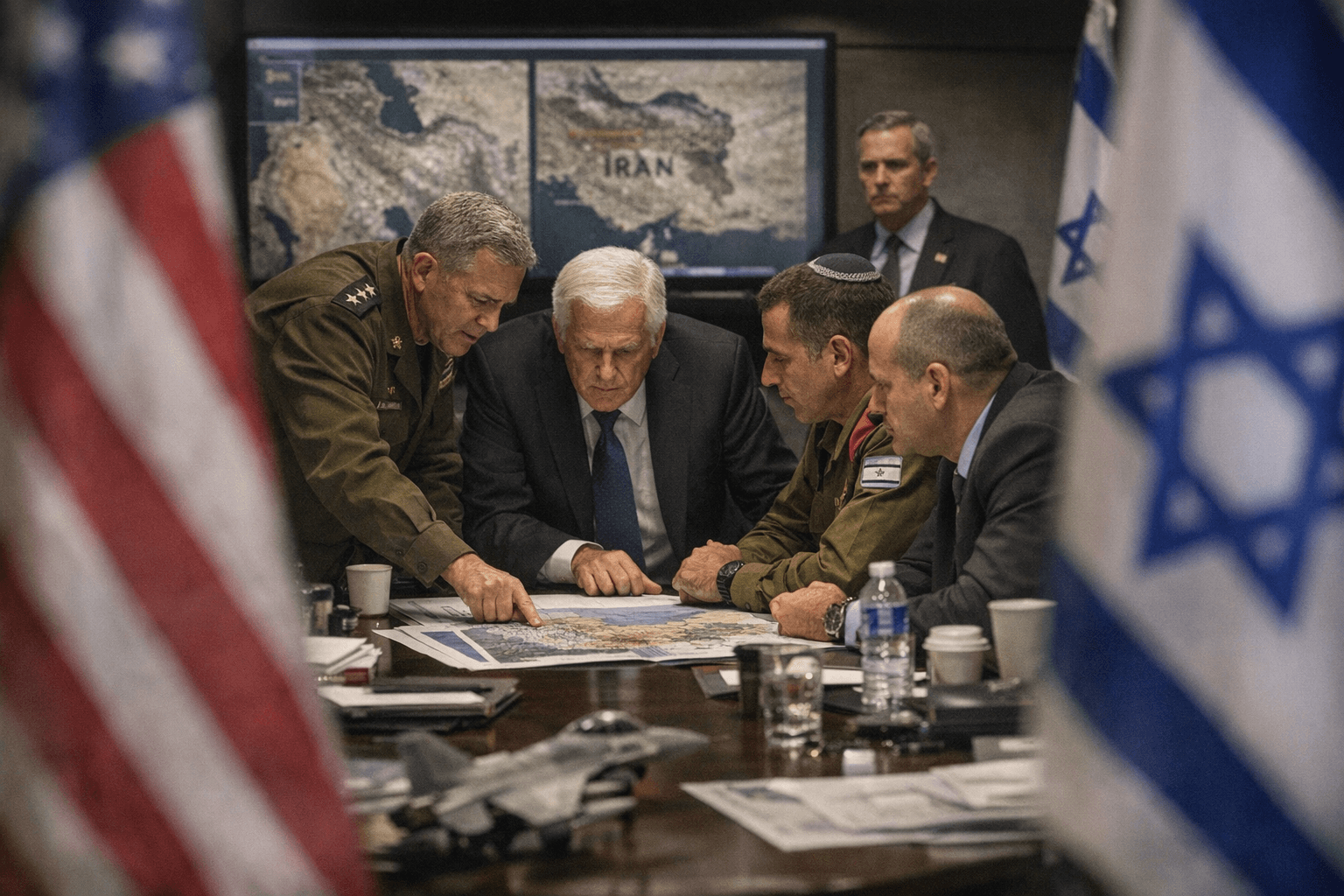
US-Iran talks in Pakistan end after 21 hours with no deal
The 21-hour Islamabad talks collapsed with no nuclear deal, leaving the ceasefire, Hormuz shipping and proxy fronts exposed by Monday morning.
The diplomatic off-ramp narrowed sharply when U.S. and Iranian negotiators left Islamabad without a deal after roughly 21 hours of talks, removing the clearest channel for turning a fragile ceasefire into something durable. By Monday morning, the immediate risks are the ones that mattered most at the table: renewed regional escalation, fresh attacks by proxies, pressure on allies, and another shock to shipping through the Strait of Hormuz.
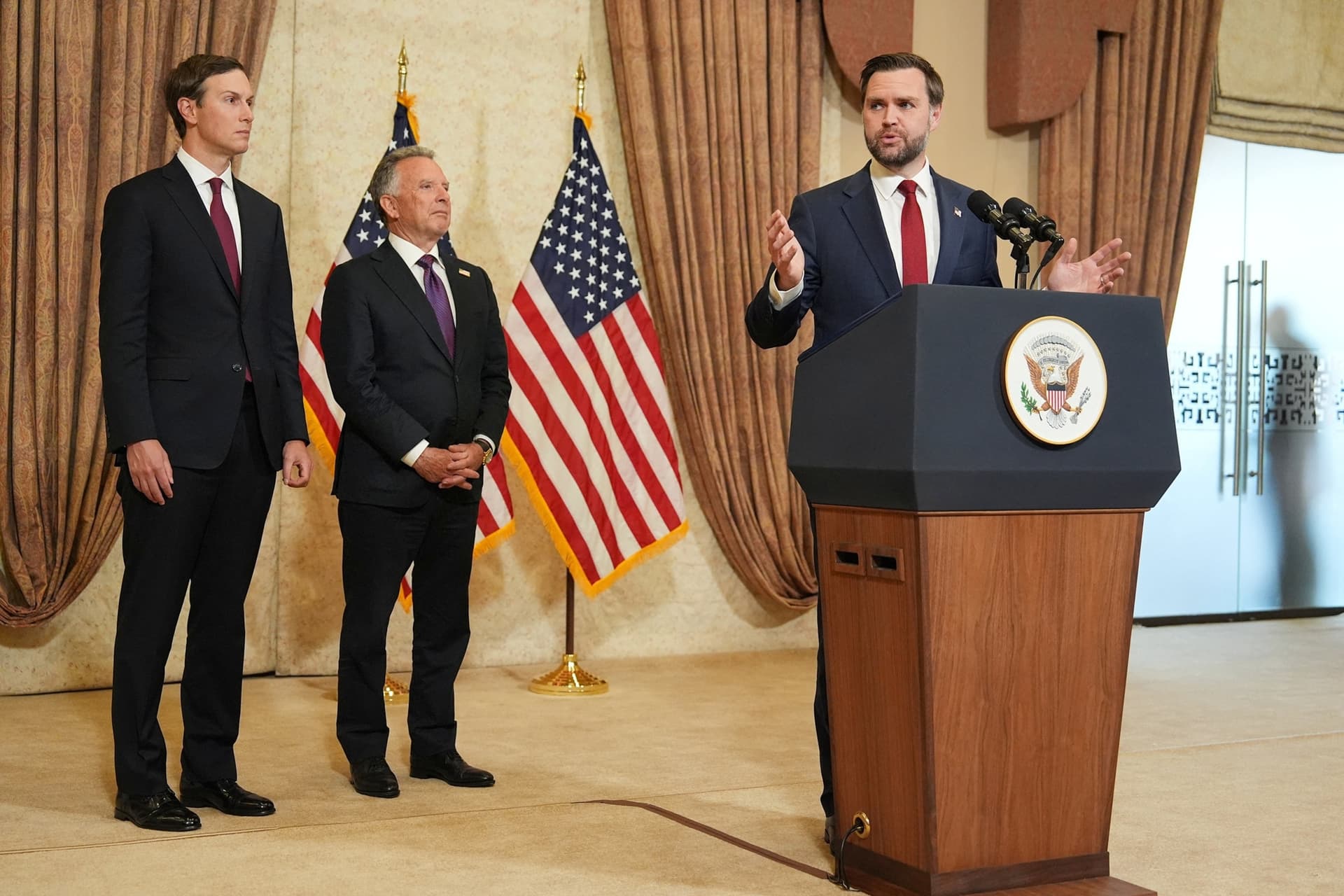
Vice President J.D. Vance led the U.S. delegation, which also included senior figures such as Jared Kushner and Steve Witkoff. Iran’s side was led by parliament speaker Mohammad Bagher Ghalibaf and included Foreign Minister Abbas Araghchi. Pakistan’s prime minister, Shehbaz Sharif, foreign minister Ishaq Dar and army chief Field Marshal Asim Munir hosted and mediated the talks in Islamabad, which began on April 11 and spilled into the early hours of April 12.
Vance said there was "no agreement" and that Tehran had "chosen not to accept our terms." He said Washington wanted an affirmative, long-term commitment from Iran not to pursue a nuclear weapon. Iranian officials rejected that approach, describing U.S. demands as "excessive" and arguing that years of conflict and distrust had left Tehran with little room to accept a sweeping pledge.
The failure carries consequences beyond the negotiating room. The talks were meant to extend a temporary two-week ceasefire brokered on April 8 and convert it into a longer settlement. Instead, the collapse leaves the agreement vulnerable just as the region was beginning to test whether a pause in fighting could hold. Any resumption of strikes in Lebanon, attacks on Gulf targets or disruption around the Strait of Hormuz would now land in a far more unstable diplomatic vacuum.
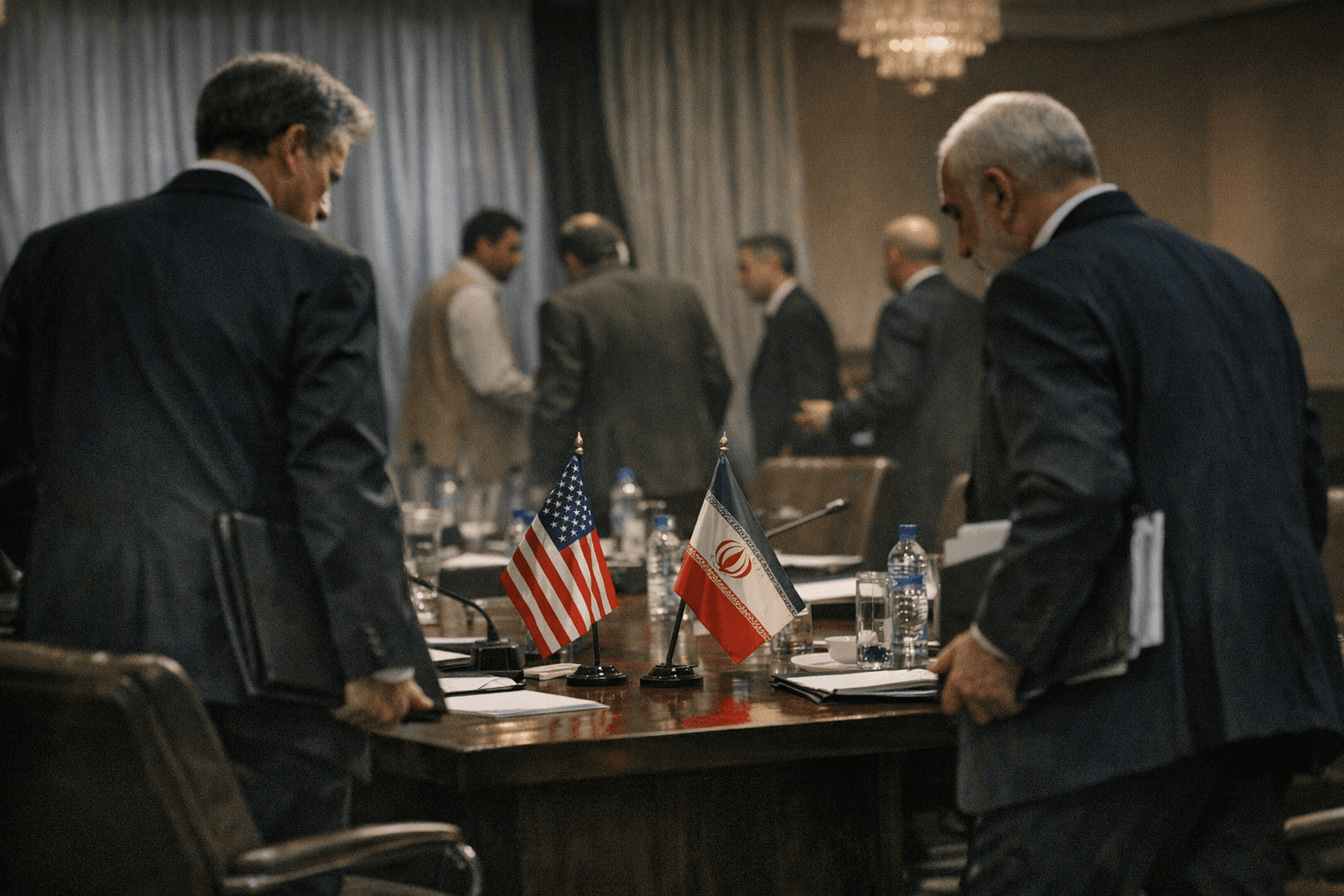
Markets were watching the talks as closely as the militaries. Oil prices had already moved sharply on ceasefire hopes, and analysts warned that another breakdown could send prices higher if the Strait of Hormuz remains at risk. That chokepoint matters not just for Iran and its neighbors but for major energy consumers across Europe and Asia, where even a short interruption can rattle trade and supply lines.
The broader stakes are grimmer still. The war that began in late February has already produced thousands of deaths and widespread regional damage, making every failed meeting more consequential than the last. Pakistan urged both sides to uphold the ceasefire and keep channels open, but after Islamabad, the burden shifts back to back-channel diplomacy under harsher conditions and a shorter clock.
Sources:
Know something we missed? Have a correction or additional information?
Submit a Tip