U.S.-Iran talks pause as Khamenei funeral begins, Hormuz tensions rise
Mediators said talks will resume after Khamenei's July 4-9 funeral as Hormuz traffic rebounds, but the strait still carries 20% of global LNG trade.
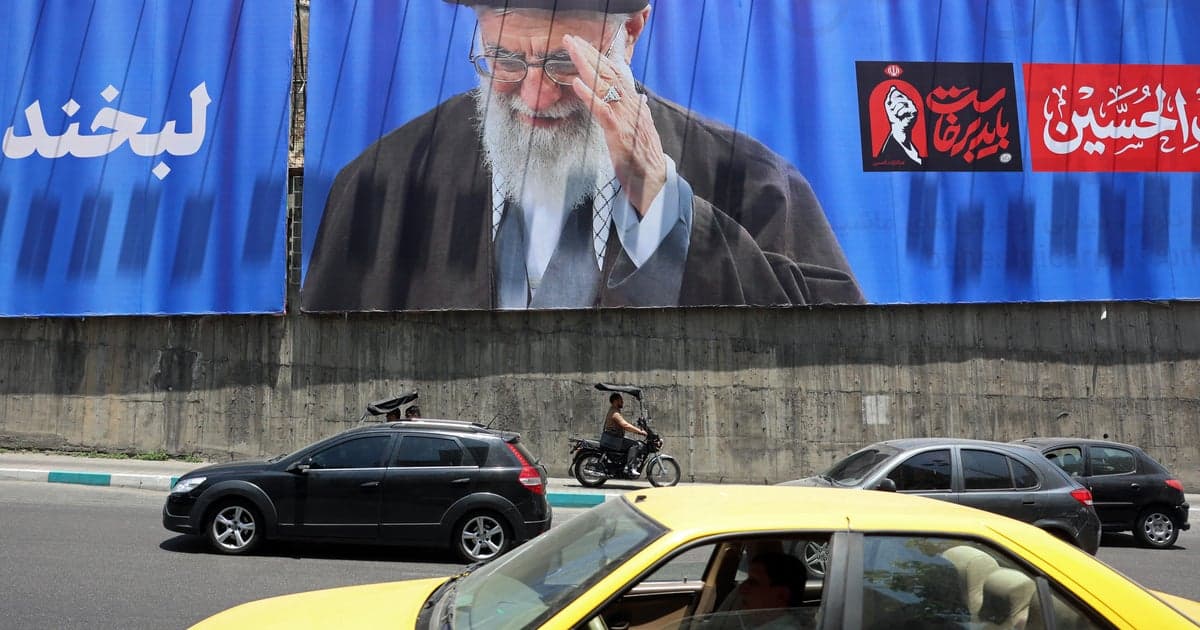
Talks between the United States and Iran will resume after Ayatollah Ali Khamenei’s funeral, which begins in Tehran on July 4 and ends with burial in Mashhad on July 9. Iranian authorities say the rites could draw 15 million to 20 million people and representatives from 30 countries after U.S.-Israeli strikes in February.
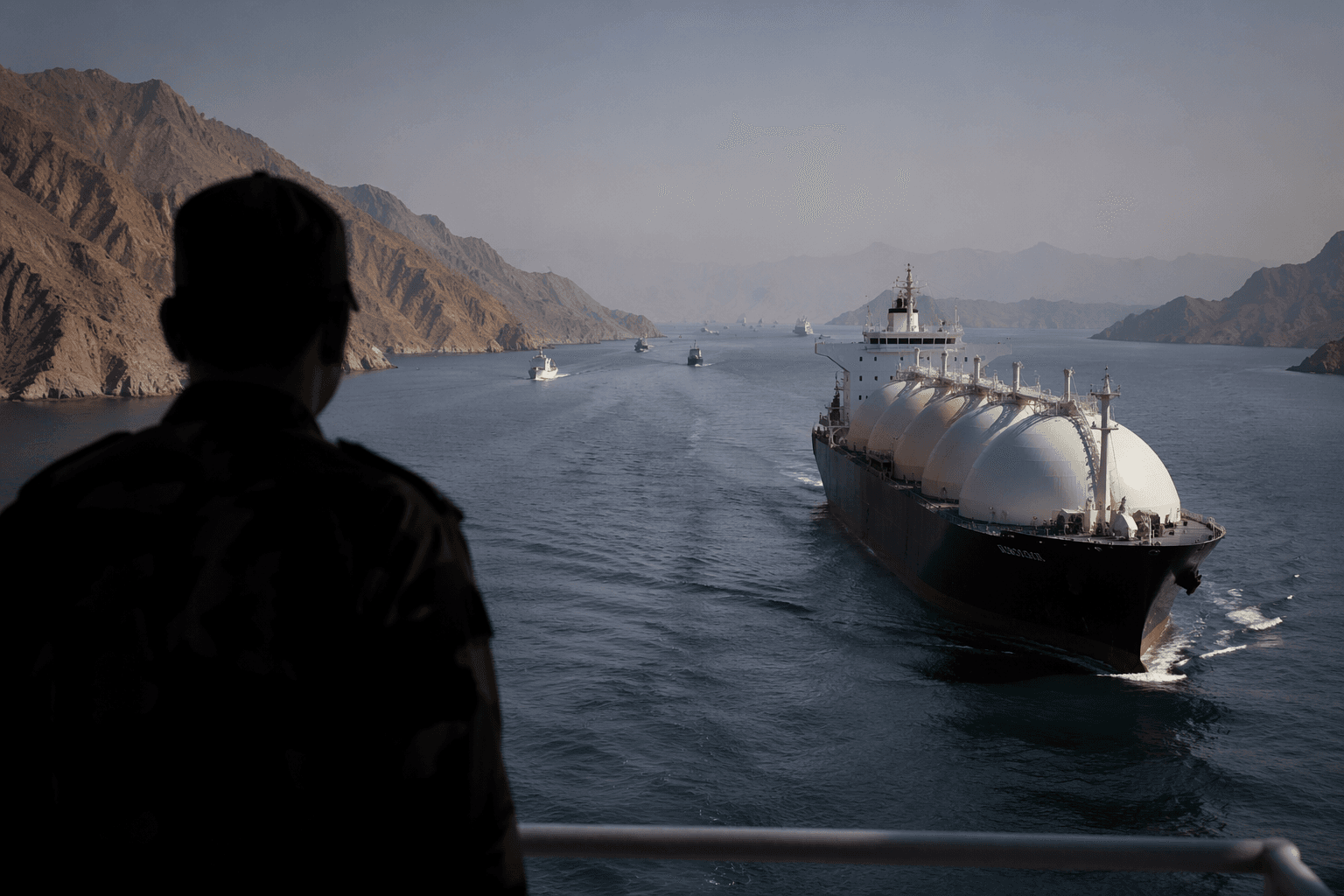
The Strait of Hormuz is not just a regional flashpoint but a global energy artery. The waterway carries about 20 million barrels a day, roughly 25% of seaborne oil trade, according to the International Energy Agency. About 20% of global LNG trade transited the strait in 2024, mainly from Qatar, according to the Energy Information Administration. Even brief disruptions can lift prices, according to the Energy Information Administration. Brent crude rose from $69 a barrel to $74 in a June 12-13 jolt tied to regional tension.
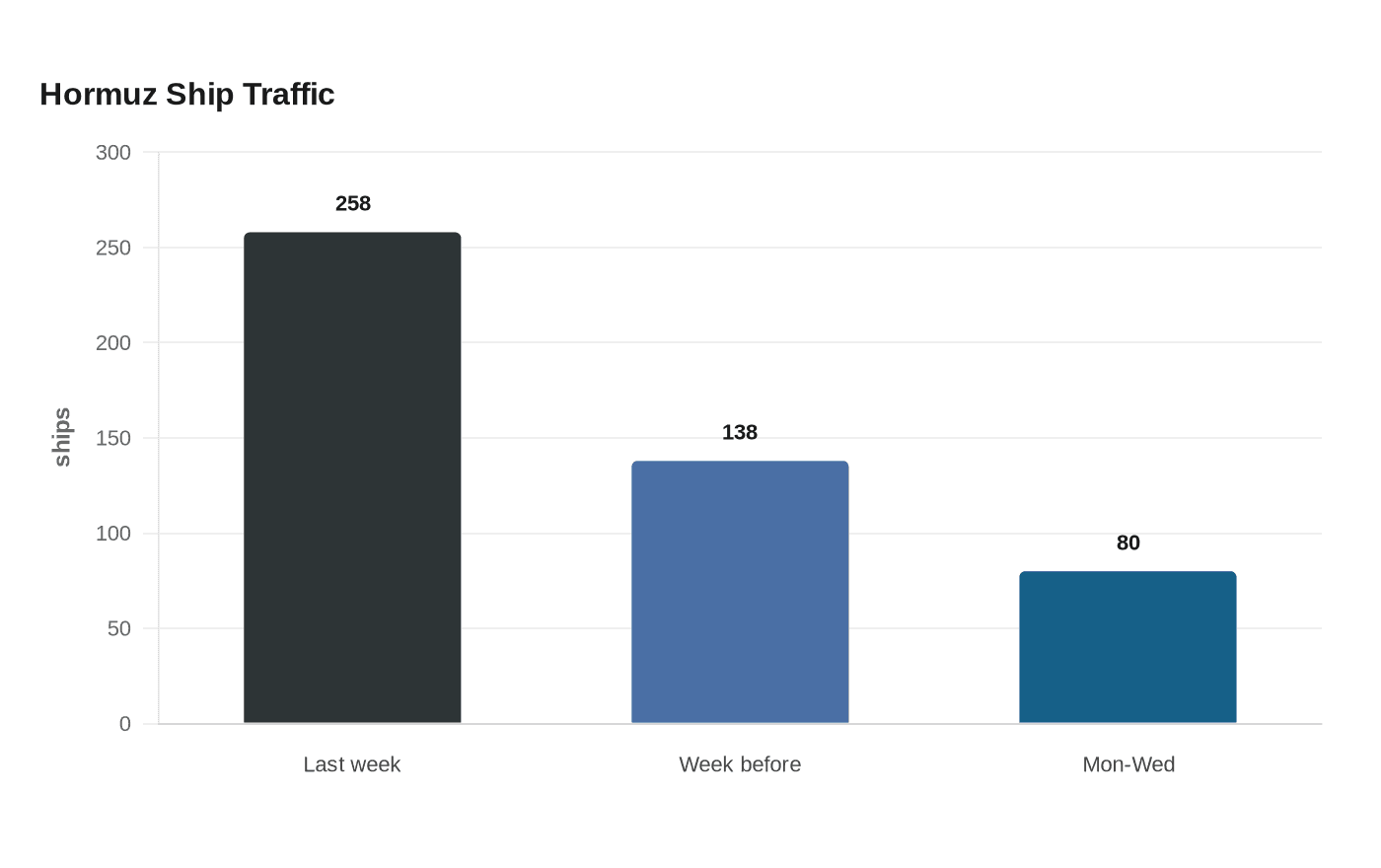
Marine data show at least 258 ships crossed the strait last week, up from 138 the week before, with another 80 transits from Monday through Wednesday, but traffic remained far below the roughly 130 vessels a day seen before the war. A June 25 attack on a Singapore-flagged commercial ship in the strait delayed evacuation planning.
Retired Navy Vice Adm. Robert Murrett, a former director of the National Geospatial-Intelligence Agency and now a professor at Syracuse University’s Maxwell School of Citizenship and Public Affairs, said anything that can “open and ensure free transit and freedom of navigation” through Hormuz is worth exploring, but he also said doing that without an agreement from Iran is “pretty challenging” because the strait is narrow and Iran still has attack options. Maersk said one of its vessels had already crossed under U.S. military protection in May.
Hamidreza Haji-Babai, Iran’s deputy parliament speaker, said the United States must respect Iran’s authority over the strait, while Washington says Iran will not be allowed to charge tolls for shipping. Oman, a U.S. ally, does not support tolls and has opened talks with Iran on administration of the waterway.
This article was produced by Prism’s automated news system from verified source data, official records, and press releases, then run through automated quality and moderation checks before publishing. The system is built and supervised by the people who set the standards it runs under. Read our full AI policy.
Did this article answer your question?