U.S. jury convicts four men in plot to kill Haitian president Moise
A Miami jury tied a Haitian president’s assassination to South Florida money and logistics, convicting four men in a transnational mercenary plot that still leaves the mastermind unknown.

A federal jury in Miami convicted four South Florida men of helping arrange the assassination of Haitian President Jovenel Moïse, a verdict that tied a political killing in Port-au-Prince to money, weapons and logistics assembled inside the United States.
Jurors found Arcangel Pretel Ortiz, Antonio Intriago, Walter Veintemilla and James Solages guilty of conspiracy charges tied to a plot that resulted in Moïse’s death. Prosecutors said the scheme involved recruiting about two dozen former Colombian soldiers and supplying them with cash, guns, ammunition and tactical vests for an attack at Moïse’s home near Port-au-Prince.
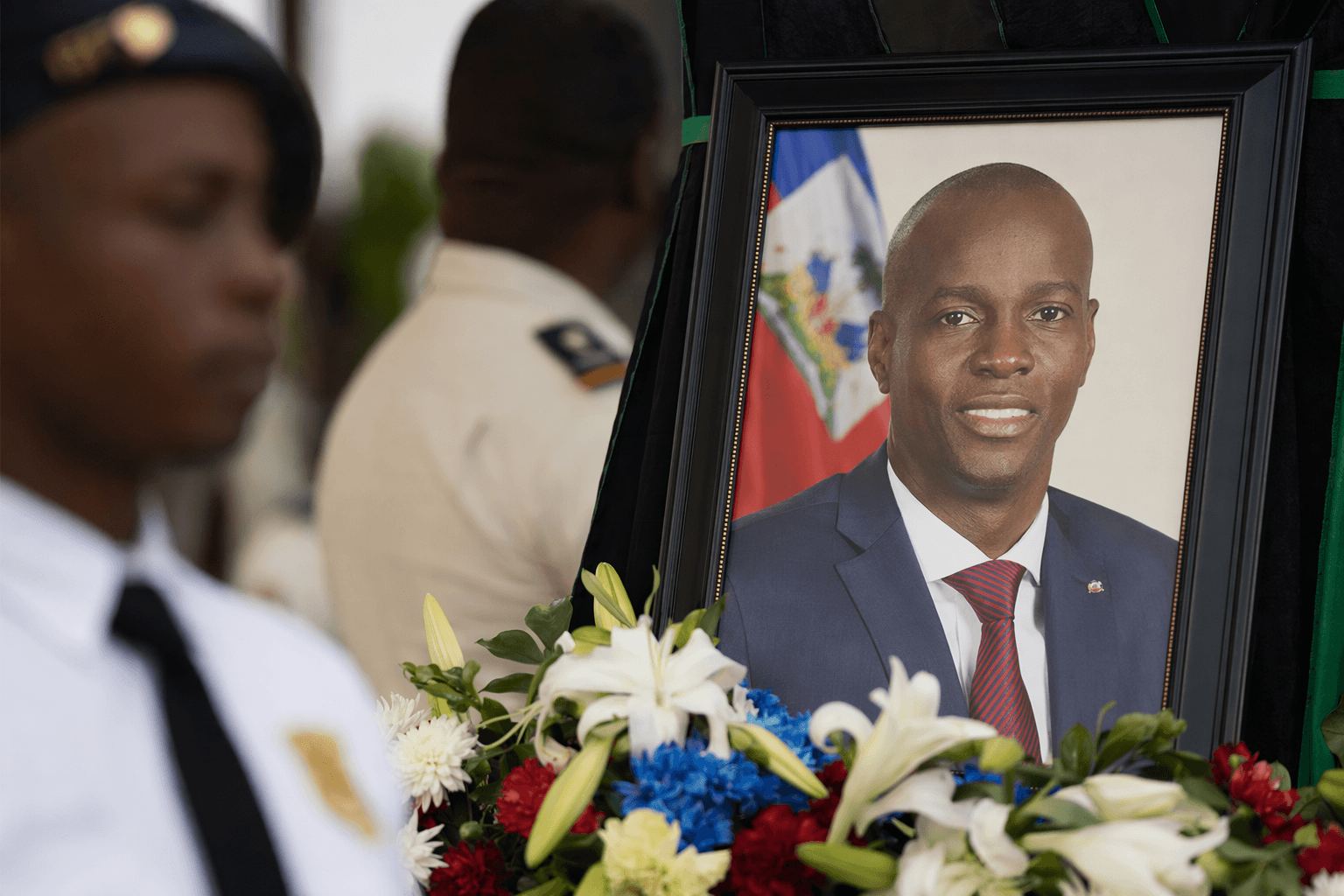
Moïse was shot dead on July 7, 2021, in the hills above the Haitian capital. First Lady Martine Moïse was also shot during the assault but survived. The attack shattered an already fragile political order and deepened the security crisis that has since gripped Haiti, where gangs have expanded their control and state institutions have struggled to function.
The Justice Department said the defendants were convicted of conspiracy to provide material support or resources for a violation of federal law resulting in death, and prosecutors said the charges could carry life sentences. A fifth defendant, Christian Emmanuel Sanon, is scheduled to be tried later because of health issues.
The case has become one of the most closely watched assassination prosecutions in recent years because it showed how a Caribbean political murder was planned and financed through South Florida networks. The trial did not answer the central question of who ordered the killing, leaving open the possibility that the men convicted in Miami were not the only actors behind the plot.
That unresolved question matters beyond Haiti. For U.S. law enforcement, the verdict underscores how American-based financial and logistical networks can be used to support violent schemes overseas. For Haitian diaspora communities in South Florida, it is a reminder that the politics of Port-au-Prince can be shaped by actors, money and influence operating far from Haiti’s borders.
The broader breakdown in Haiti has only sharpened the stakes. On September 30, 2024, the United Nations Security Council reauthorized the Multinational Security Support mission for 12 months, saying the effort was meant to help restore security and create conditions for free and fair elections. The Miami verdict closes one chapter, but it leaves intact the larger accountability question that has shadowed Haiti since the night Moïse was killed.
This article was produced by Prism’s automated news system from verified source data, official records, and press releases, then run through automated quality and moderation checks before publishing. The system is built and supervised by the people who set the standards it runs under. Read our full AI policy.
Did this article answer your question?


