U.S. launches new strikes on Iran as Hormuz tensions escalate
U.S. strikes in Iran resumed after a tanker was hit near Hormuz, raising the risk of oil shocks, crew deaths and wider spillover across Gulf states.
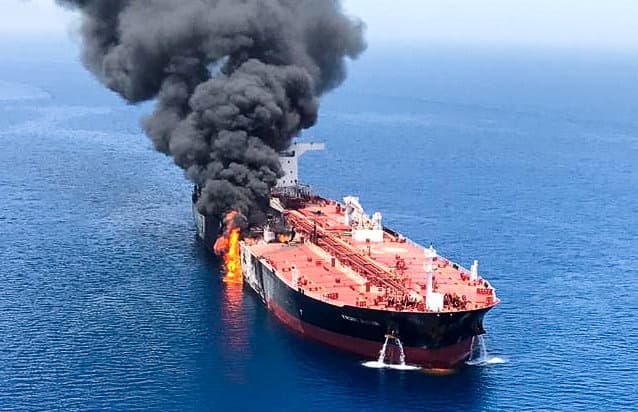
U.S. Central Command said it carried out additional strikes against multiple targets in Iran on Saturday after a one-way attack drone hit the Panama-flagged tanker M/T Kiku near the Strait of Hormuz at 4:30 a.m. ET. CENTCOM said the vessel was carrying more than two million barrels of crude oil, a detail that underlines how closely the military exchange is tied to the world’s most sensitive oil route and how quickly civilian shipping can be pulled into the confrontation.
The new strike followed another day of attacks around the strait, where a tanker was reported struck by a projectile and U.S. forces had already hit Iranian targets. Reuters described the fighting as the worst escalation since the two sides signed an interim peace deal, while The New York Times said hostilities were flaring and testing the truce. Al Jazeera said the United States bombed Iran for a second day, hitting Sirik, Bandar-e Lengeh and Qeshm Island after a drone attack on a commercial vessel near the Strait of Hormuz.
Washington has cast the campaign as a move to restore freedom of navigation. On May 5, Secretary of State Marco Rubio said Iran was trying to close the Strait of Hormuz, attack ships there, lay sea mines and charge tolls, while the State Department said the United States and Gulf partners had drafted a UN Security Council resolution to defend passage through the waterway. The International Maritime Organization has said it had confirmed 46 attacks on international shipping in and around the strait since February 28, with 14 seafarer fatalities, including three sailors killed in the MT Settebello attack off the coast of Oman.
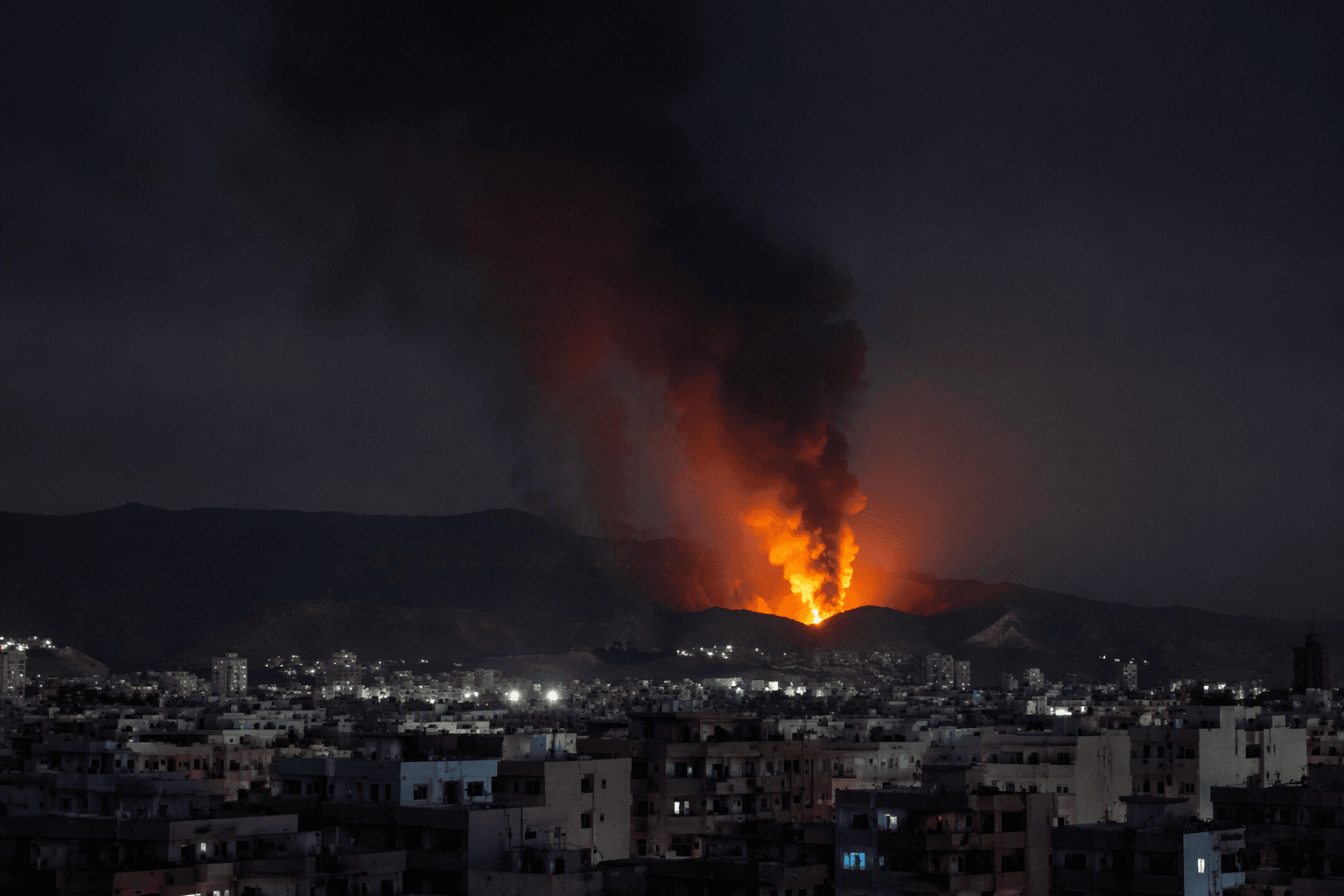
The strain is now spilling across the Gulf. UKMTO said on June 23 that it was supporting an IMO-coordinated evacuation process for vessels in the region, and maritime bulletins said ships were increasingly routing through Omani territorial waters and the northern Iranian-controlled lane. Britain and France, joined by 38 nations, have backed a strictly defensive multinational mission to support free navigation through the strait, while Bahrain, Kuwait, Qatar and the UAE have all been drawn into the diplomatic fallout as air raid sirens and drone-threat warnings spread beyond the waterway itself.
This article was produced by Prism’s automated news system from verified source data, official records, and press releases, then run through automated quality and moderation checks before publishing. The system is built and supervised by the people who set the standards it runs under. Read our full AI policy.
Did this article answer your question?