U.S. launches second night of strikes on Iran as diplomacy collapses
A second night of U.S. strikes hit Iran as Trump said the ceasefire was over and Tehran threatened U.S. bases in Bahrain and Kuwait.

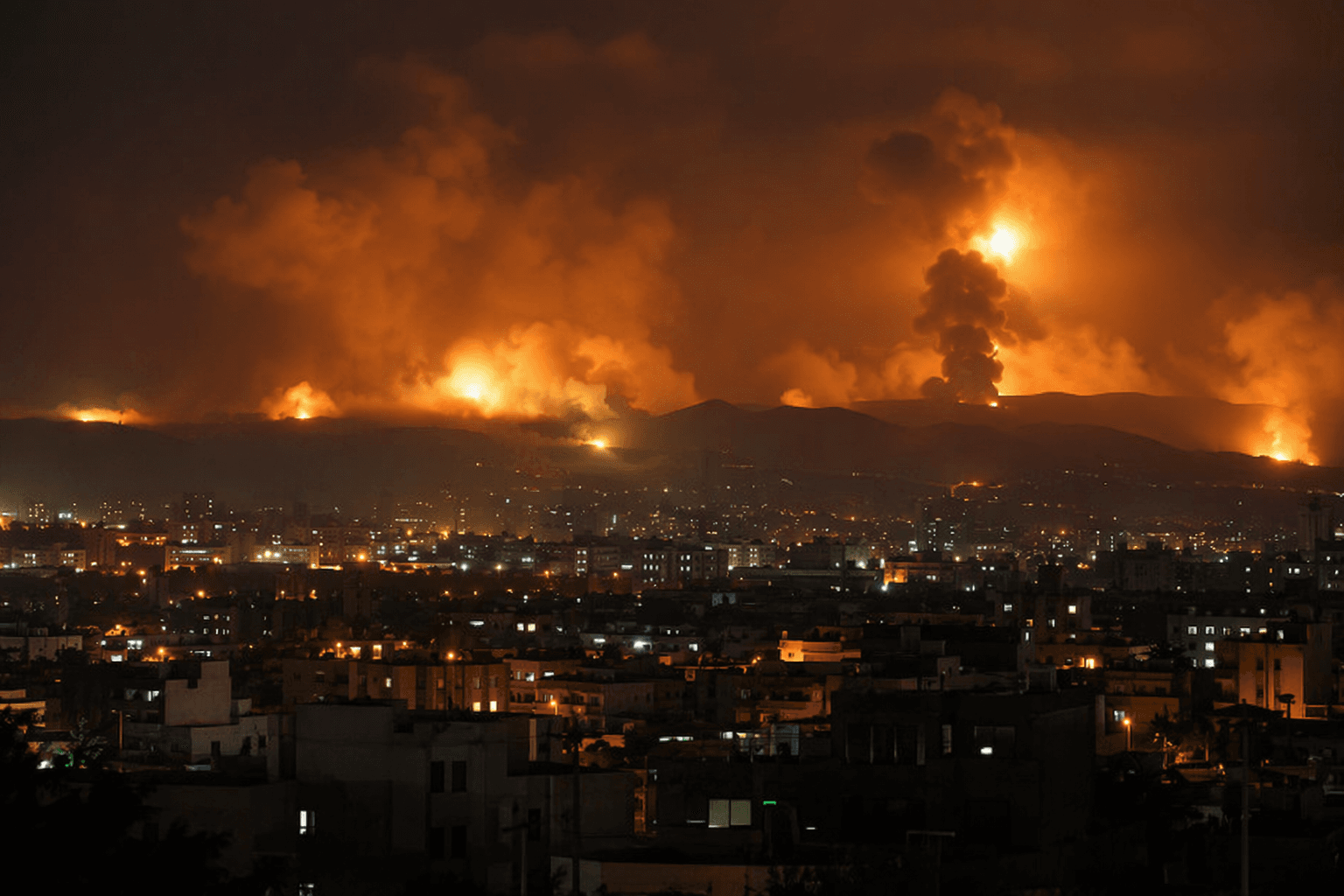
The U.S. military launched another round of strikes against Iran late Wednesday night, extending a second consecutive night of attacks and raising the question of whether Washington was shifting from deterrence to sustained conflict. U.S. Central Command said President Donald Trump ordered the strikes to further degrade Iran’s ability to threaten freedom of navigation in the Strait of Hormuz.
CENTCOM said the first strike package, completed on July 7, hit more than 80 targets with precision munitions. Those targets included Iranian air defense systems, command and control networks, coastal radar sites, anti-ship missile capabilities and more than 60 Islamic Revolutionary Guard Corps small boats in and near the strait. A U.S. official said the new wave was larger in scope than the first, signaling that the campaign was widening rather than pausing.
The attacks followed Iranian strikes on three commercial vessels transiting the Strait of Hormuz, the Marshall Islands-flagged M/T Al Rekayyat, the Saudi Arabia-flagged M/T Wedyan and the Liberian-flagged M/T Cyprus Prosperity. The strait, one of the world’s most critical shipping chokepoints, has carried roughly one-fifth of global oil supplies, giving the confrontation direct implications for energy markets and maritime security.
Trump hardened the U.S. line while speaking at a NATO summit in Ankara, saying the ceasefire or interim agreement was over. He warned that the United States would probably hit Iran hard again and said it would get much worse if Iran attacked ships again. The tone left little room for a negotiated pause and made the next round of retaliation more likely if Tehran kept pressing its campaign at sea.
The fallout was immediate across the Gulf. Iran’s Revolutionary Guards said they targeted U.S. military sites in Bahrain and Kuwait in retaliation, and Iranian media later warned of a massive attack on U.S. bases in the region. Sirens and heightened alert were reported in Bahrain and Kuwait, while Pakistan urged restraint and Israel’s defense establishment closely monitored the situation as officials there worried the fighting could spread.

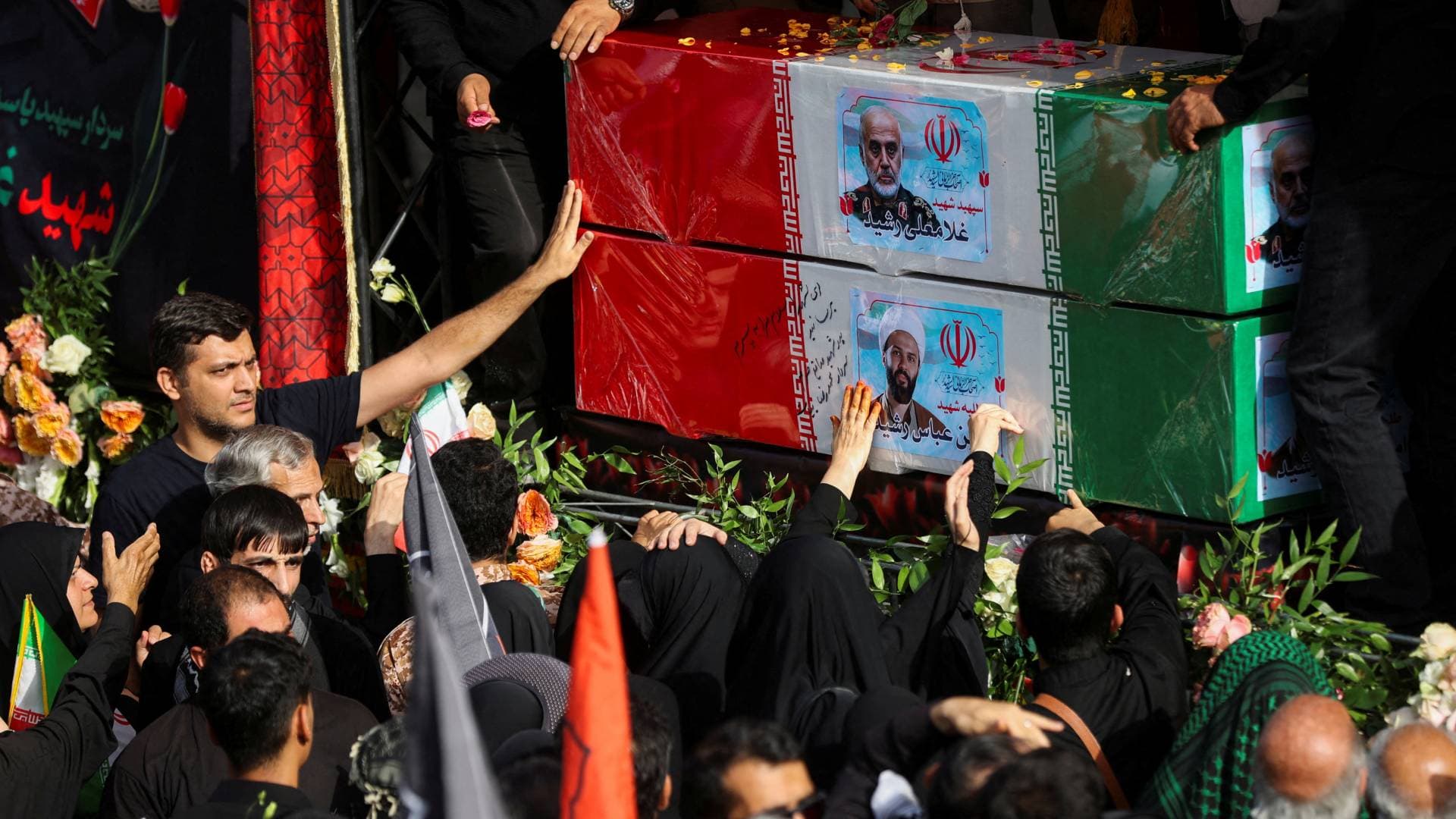
Inside Iran, the second night of strikes rattled cities along the southern coast and cut power in some areas. Iranian state media said eight Iranian Army personnel were killed in attacks near Bandar Abbas and Bushehr, including members of the air force and navy. The widening exchange left U.S. forces, commercial shipping and regional allies exposed to a faster-moving conflict with no clear off-ramp.
This article was produced by Prism’s automated news system from verified source data, official records, and press releases, then run through automated quality and moderation checks before publishing. The system is built and supervised by the people who set the standards it runs under. Read our full AI policy.
Did this article answer your question?