US lenders scrutinize data center financing as local opposition grows
Banks are tightening scrutiny on data center loans as 142 protests in 42 states turn local resistance into a financing risk.
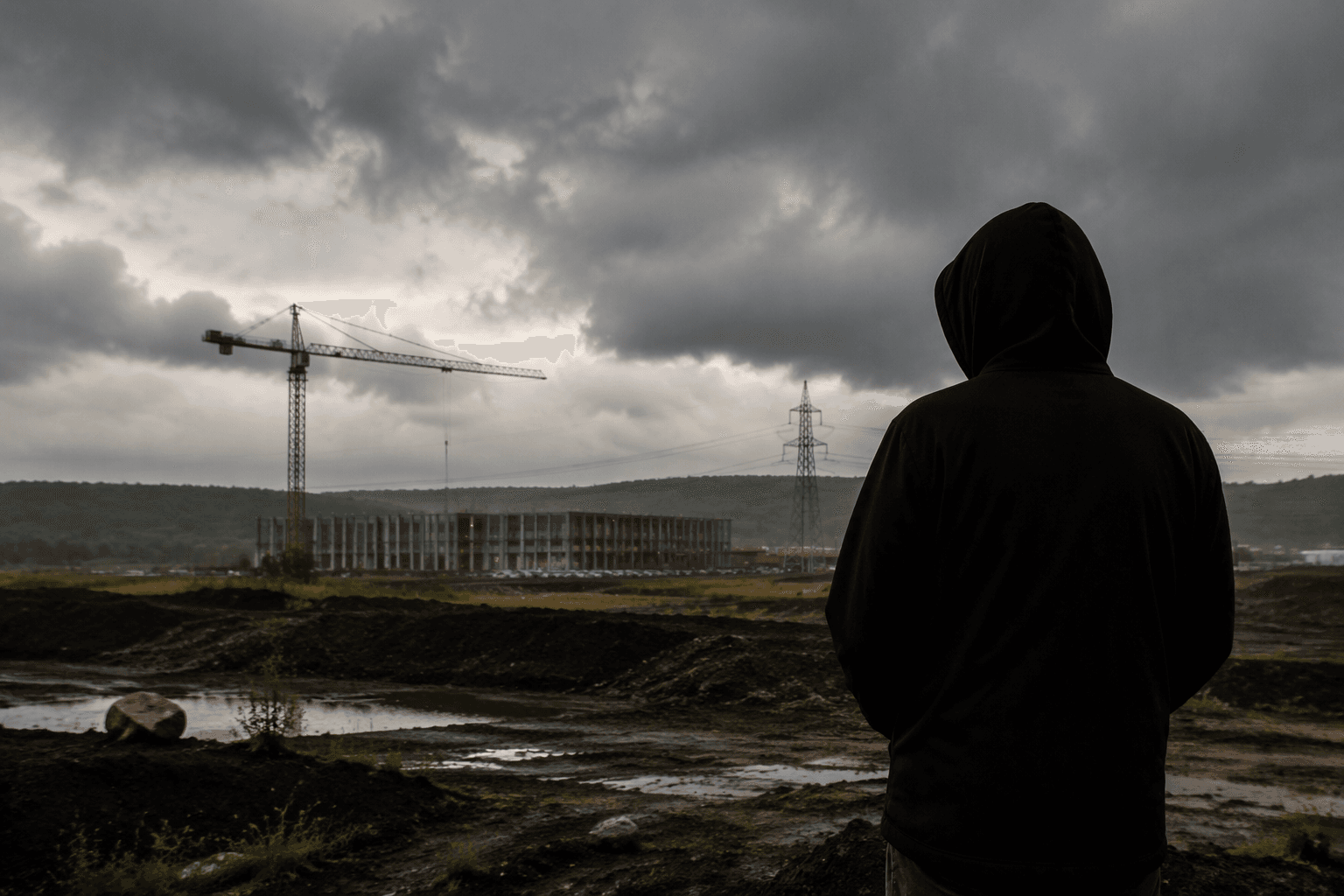
US banks and asset managers have started pressing harder on data center loans as local resistance to the AI buildout spreads. The projects are expensive to build and highly power-intensive, but lenders now have to weigh whether permits, zoning fights or neighborhood backlash could delay construction and push up costs.
The pressure has been visible in the scale of public opposition. Data center opponents staged 142 protests across 42 U.S. states on July 18, a spread that showed how quickly disputes over water use, electricity demand, land use, noise, traffic and construction scale had moved beyond a handful of isolated sites. In many neighborhoods, the facilities arrived as large industrial projects that residents did not expect next to homes, schools or farmland.
Senior bankers have begun scrutinizing those community concerns when they assess project loans, and they are leaning toward states with friendlier permitting environments. That shift matters because data center financing depends on speed as much as size. A project that can be built on paper still has to survive hearings, public comment, zoning challenges and closer scrutiny from local officials before it can generate the cash flow lenders expect.
The caution also reflects the economics of the sector itself. Data centers sit at the center of cloud services, streaming, online commerce, financial systems and government operations, which has made them a priority for cloud providers, AI developers and infrastructure investors racing to expand computing capacity for large language models, storage and digital services. But the same demand that made the market look inevitable has also increased the financial stakes for every delay, especially when a project’s timeline depends on local approval rather than just capital.
That makes community opposition more than a public-relations problem. It has become part of underwriting, alongside power availability, land access and tenant demand. If lenders decide a project is likely to face prolonged resistance, the higher financing costs can reshape where companies build next, favoring regions that offer cheaper power, smoother permitting and fewer political obstacles.
This article was produced by Prism’s automated news system from verified source data, official records, and press releases, then run through automated quality and moderation checks before publishing. The system is built and supervised by the people who set the standards it runs under. Read our full AI policy.
Did this article answer your question?