U.S. Lowers Tariffs on South Korean Imports to 15 Percent
The U.S. Commerce Secretary announced a reduction in the general tariff rate on South Korean goods including automobiles to 15 percent, retroactive to November 1, after Seoul submitted legislation to implement strategic U.S. investment commitments. The move removes tariffs on airplane parts, limits future national security tariffs on semiconductors and pharmaceuticals to 15 percent, and aligns Korea with the reciprocal rates applied to Japan and the European Union, with implications for trade flows, investment and supply chains.
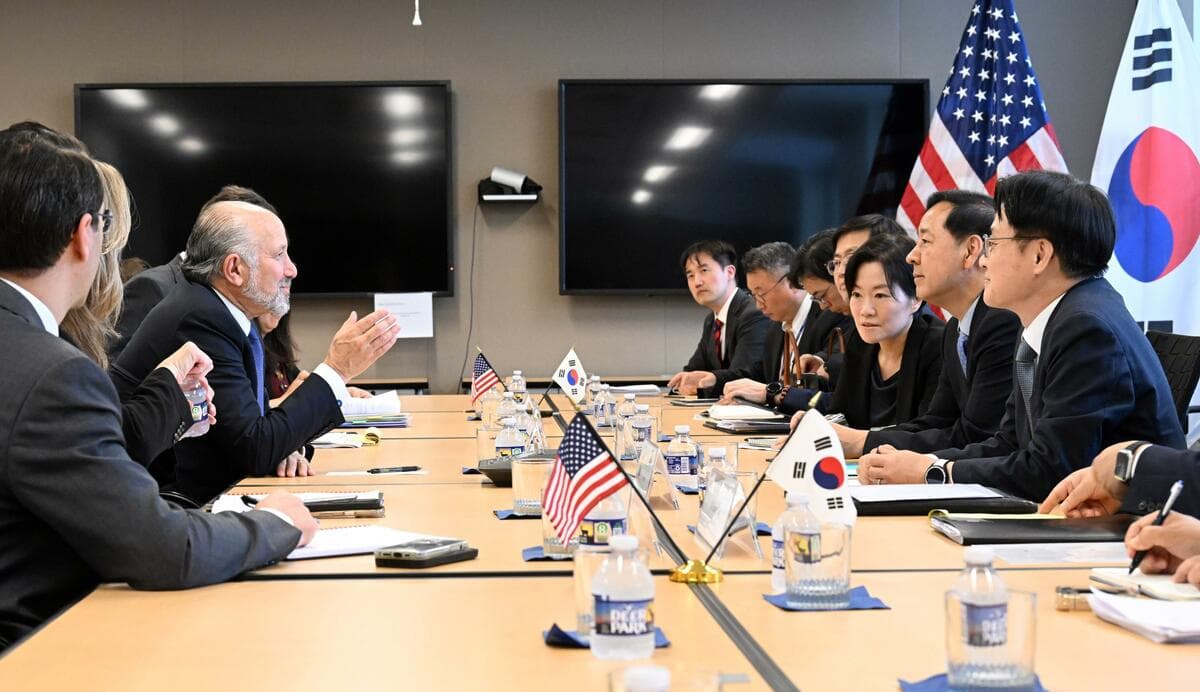
U.S. Commerce Secretary Howard Lutnick announced on December 1 that the general tariff rate on imports from South Korea, including automobiles, will be lowered to 15 percent and applied retroactively to November 1. Lutnick posted the announcement on X and said the adjustment follows South Korea’s submission of legislation to implement strategic investment commitments made to the United States.
The change is intended to unlock full benefits of an existing bilateral trade deal between Washington and Seoul. Among the specific actions described by the Commerce Department are the removal of tariffs on airplane parts and the alignment of Korea’s reciprocal tariff rates with those applied to Japan and the European Union. The agreement also reportedly caps future national security based tariffs on semiconductors and pharmaceuticals at 15 percent.
The tariff cut arrives amid heightened sensitivity in both countries to supply chain resilience and industrial policy. For U.S. consumers and firms, a lower general tariff rate immediately reduces the added cost on Korean imports dating back to November 1. For Korean exporters, the measure offers increased predictability for products that have been central to bilateral trade, notably automobiles and aerospace components.
Automakers and parts suppliers are likely to be among the most directly affected sectors. Lower tariffs typically reduce retail prices for imported vehicles and lower input costs for U.S. manufacturers that source parts from Korea. In aerospace, the removal of tariffs on airplane parts could ease costs for airlines and manufacturers that depend on international supply chains. In semiconductors and pharmaceuticals the 15 percent cap on national security tariffs is designed to limit the scope for abrupt, higher duties tied to security reviews, potentially calming markets that have been jittery about sudden trade barriers.
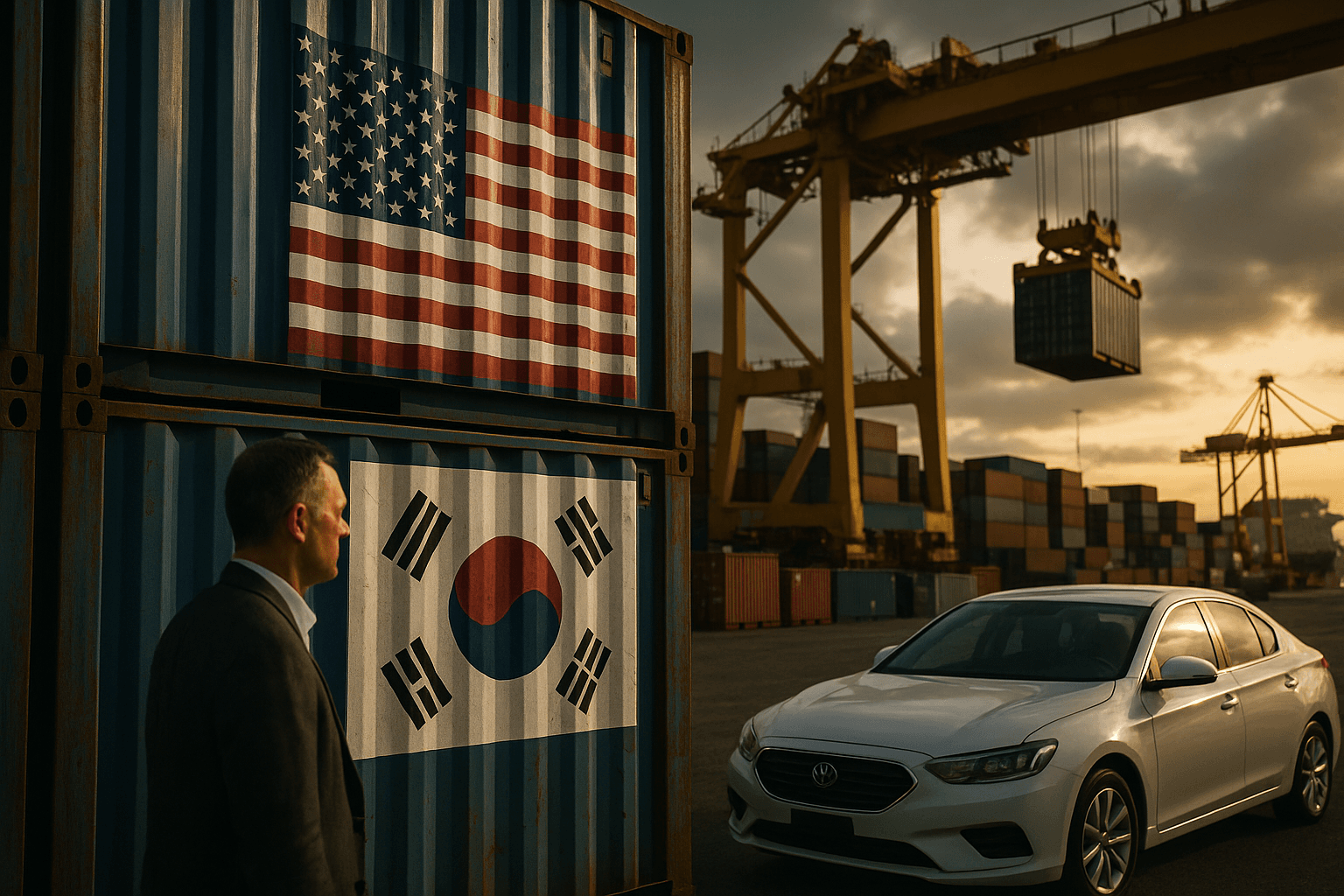
Financial markets reacted to the announcement with attention to export oriented companies and supply chain exposed sectors. Equity analysts said the move could boost margins for manufacturers that rely on Korean components and support demand for Korean exporters in the U.S. market. Currency and trade flow adjustments are likely to follow as importers account for the retroactive change in their accounting and customs filings.
Policy makers framed the decision as the culmination of negotiations in which Seoul committed to invest in strategic industries in the United States. The linkage of tariff relief to investment commitments underscores a broader trend toward using trade policy as leverage to achieve industrial strategy goals, while still attempting to preserve open commercial relations with key allies.
Implementation details are expected to be worked out in the coming weeks, including how retroactive adjustments will be processed by customs authorities and whether importers will be eligible for refunds on duties paid since November 1. Reuters reported the development on December 1, with reporting by Jack Kim and David Lawder.
This article was produced by Prism’s automated news system from verified source data, official records, and press releases, then run through automated quality and moderation checks before publishing. The system is built and supervised by the people who set the standards it runs under. Read our full AI policy.
Did this article answer your question?

