U.S. men’s team tests World Cup readiness against Senegal, Germany
Pulisic ended a five-month drought, but Germany exposed how thin the margin still is as the U.S. heads to its June 12 World Cup opener.

The last two tune-up matches gave the U.S. men’s national team exactly what it sought before World Cup play begins: pressure from elite opponents and a clean read on what still decides whether a run can last. Senegal, ranked 14th, and Germany, ranked 10th, forced the Americans into two different tests in Charlotte and Chicago, and the answers pointed to one central truth: the U.S. can score with top teams, but its World Cup ceiling will depend on how well it controls midfield pressure and protects itself when the game speeds up.
Against Senegal on May 31 in Charlotte, the U.S. won 3-2 and showed the kind of attacking bite that can change a knockout match. Sergiño Dest, Christian Pulisic and Folarin Balogun scored, and Pulisic’s goal mattered beyond the score line. It ended a five-month scoring drought for club and country and was his first international goal since November 2024. Balogun delivered the winner, a reminder that the U.S. has multiple finishers when the service is sharp enough.
That matters because the U.S. will not get many clean looks once the World Cup starts. Mauricio Pochettino said after the Senegal win that the team was going in the right direction, though still a little short in preparation. The comment fit the performance: the Americans found goals, but they also conceded twice, a warning that the back line will be tested harder than it was in qualifying.
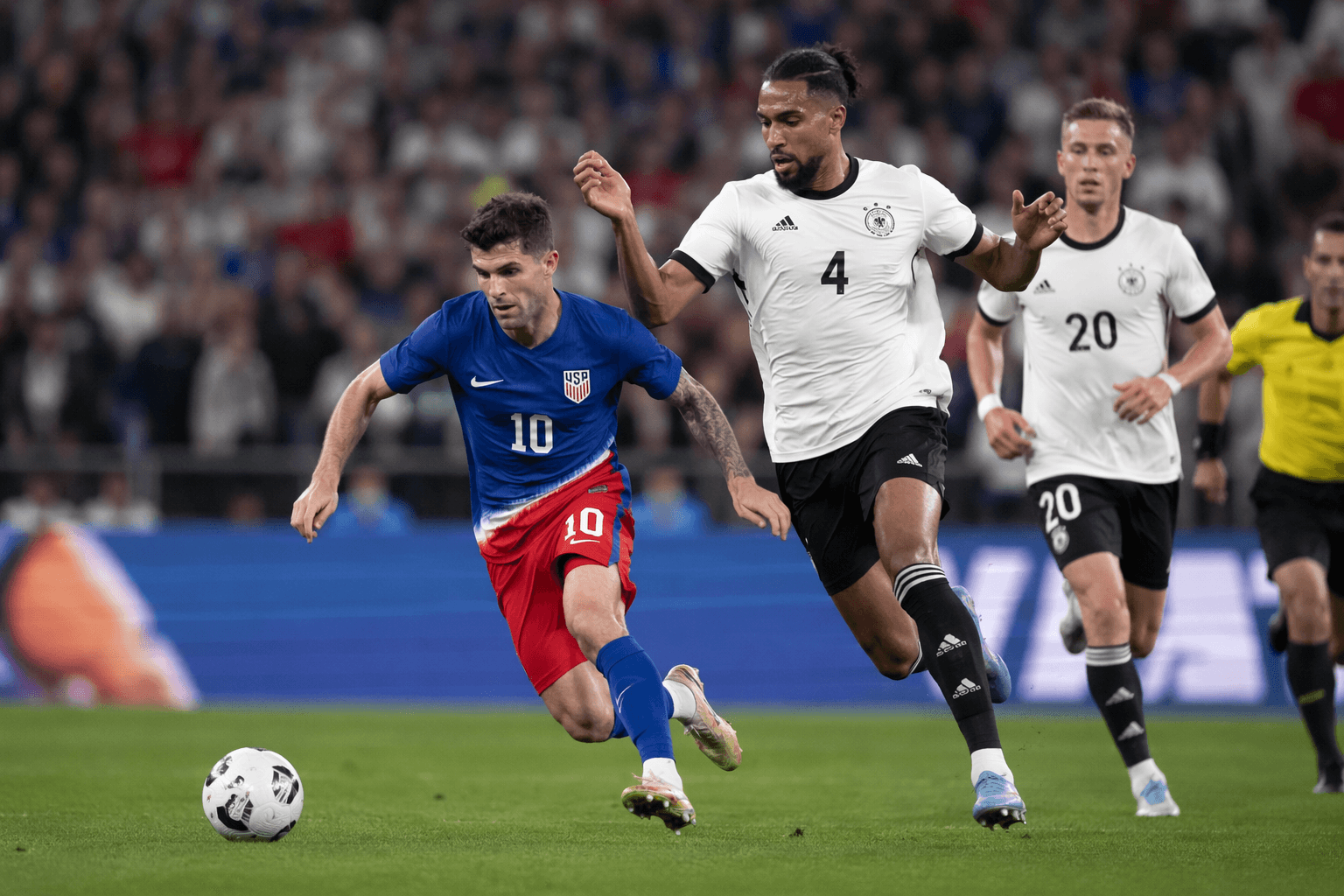
The Germany match on June 6 at Soldier Field sharpened that warning. U.S. Soccer billed it as the final preparation match before FIFA World Cup 2026, and the sold-out crowd set an attendance record for soccer at the venue. The U.S. lost 2-1, but Antonee Robinson scored a standout goal and the team went toe-to-toe with the German side in a game that measured composure under pressure as much as results. For a tournament team, that is the real test: whether the midfield can absorb elite tempo and whether the defense can survive long stretches without the ball.
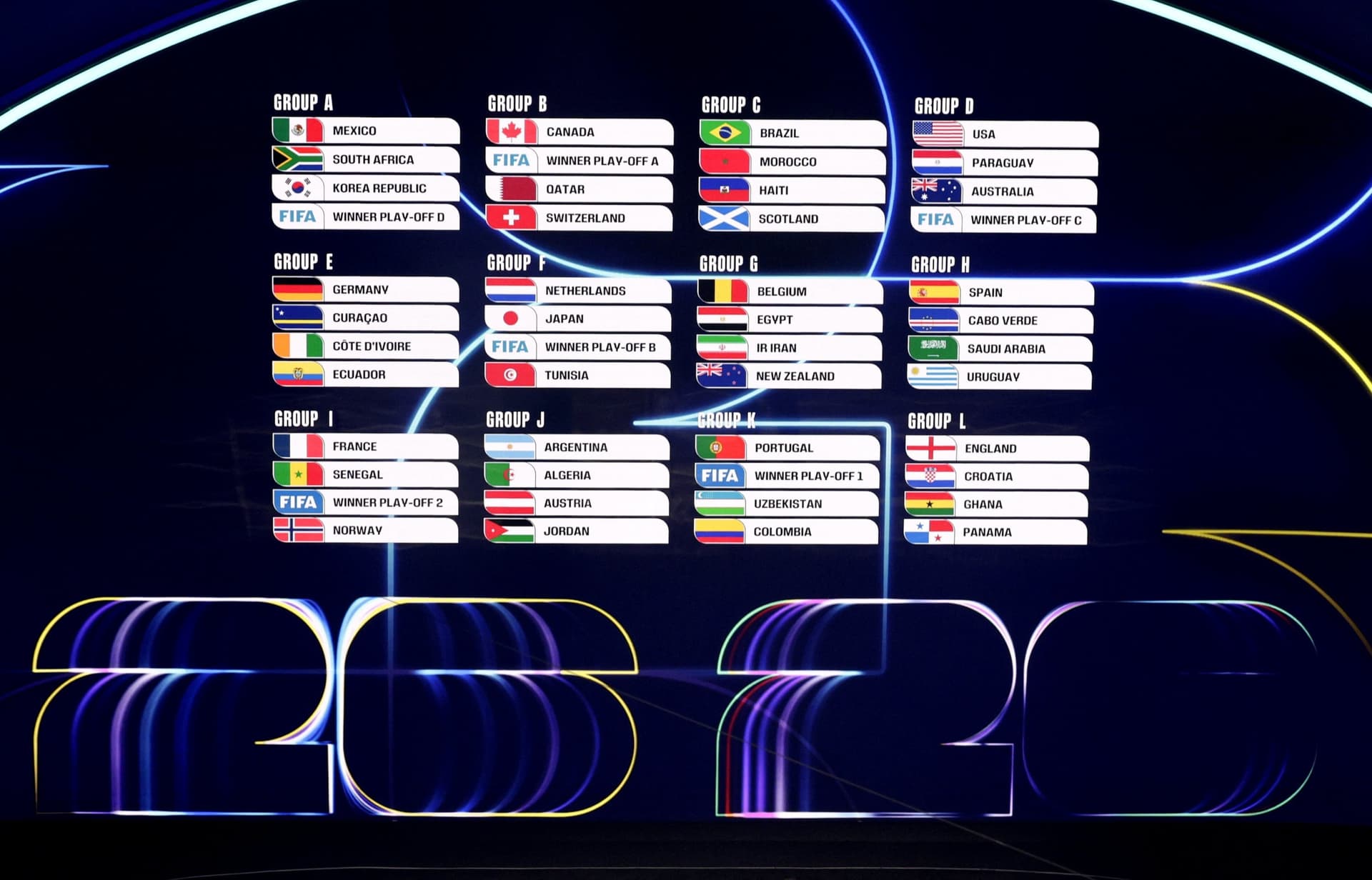
The calendar now turns to the matches that count. The U.S. opens against Paraguay on June 12 in Los Angeles, then faces Australia on June 19 in Seattle and Turkey on June 25 in Los Angeles. After Senegal and Germany, the verdict is not that the U.S. is finished. It is that its fate will hinge on whether those same pressures can be managed for 90 minutes, not just in a tune-up.
This article was produced by Prism’s automated news system from verified source data, official records, and press releases, then run through automated quality and moderation checks before publishing. The system is built and supervised by the people who set the standards it runs under. Read our full AI policy.
Know something we missed? Have a correction or additional information?
Submit a Tip