U.S. military strike on alleged drug boat kills 3 in Caribbean Sea
A U.S. strike in the Caribbean killed three more people, as the anti-drug campaign crossed 40 attacks and raised fresh questions about evidence and legality.
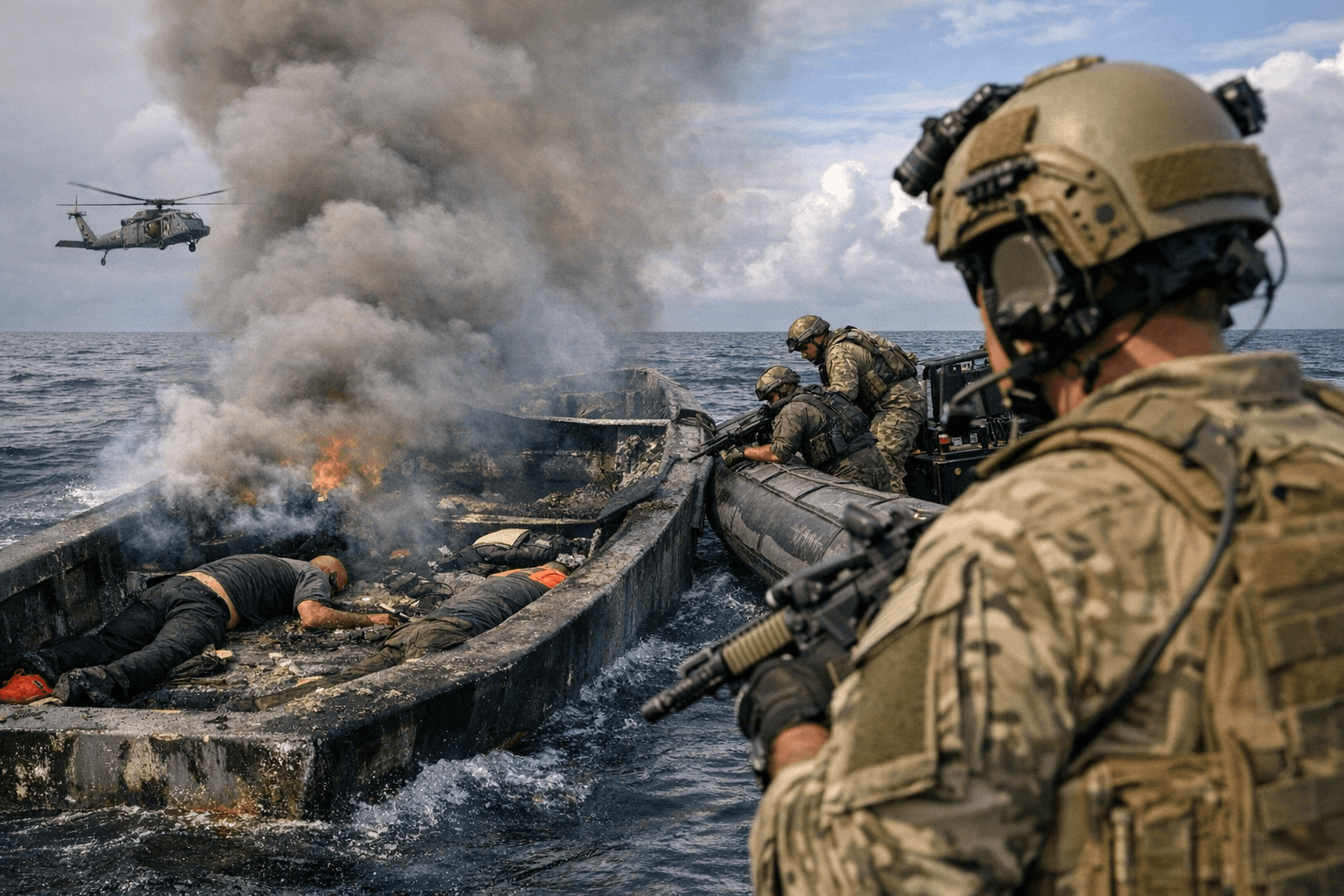
A U.S. military strike in the Caribbean Sea killed three people on Sunday, extending a campaign that has turned counternarcotics operations into a sustained lethal mission across the Caribbean and eastern Pacific. Defense Secretary Pete Hegseth said the vessel was known to U.S. intelligence as a drug-smuggling boat, and CBS News reported the strike took place in international waters.
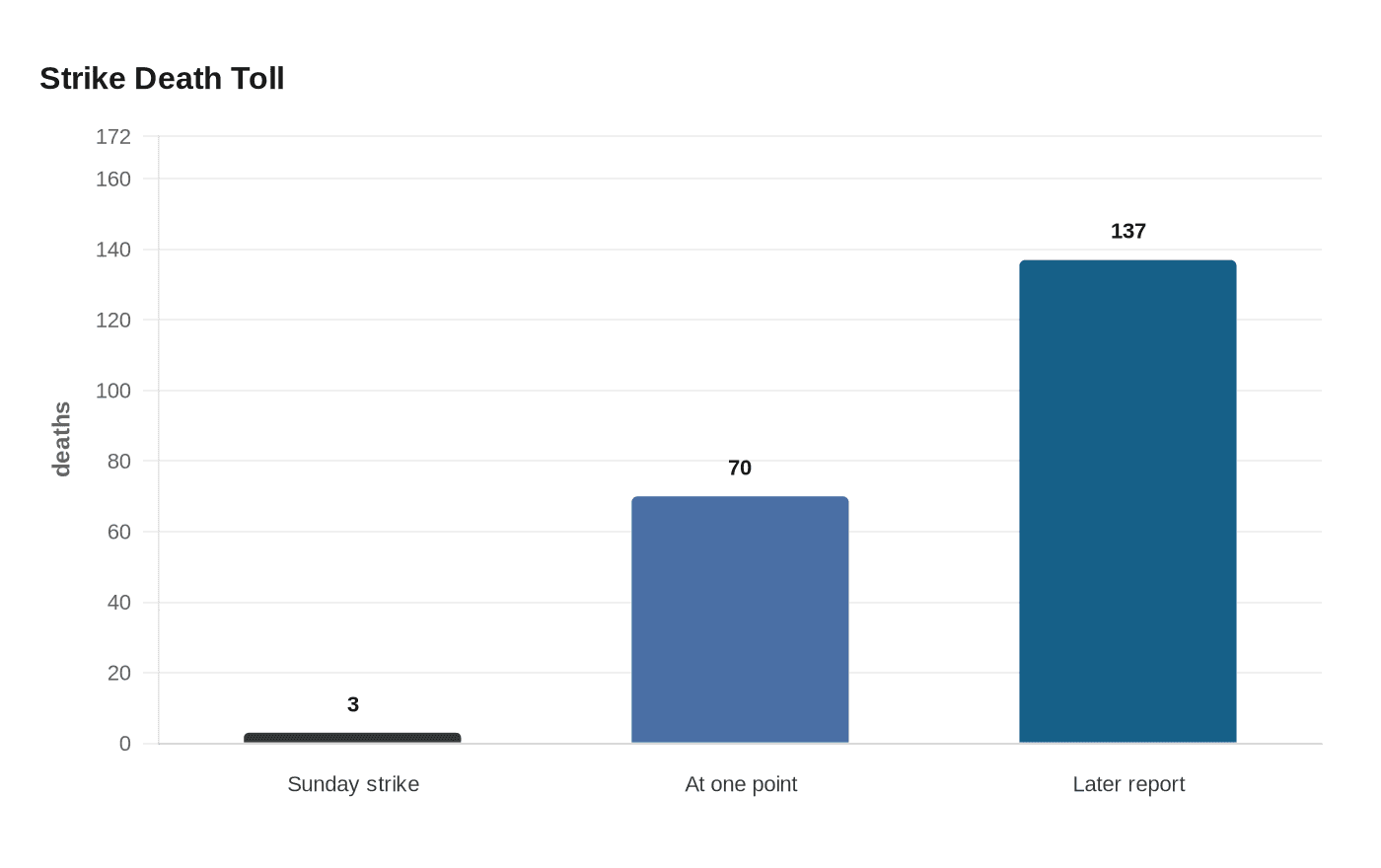
The attack added to an escalating toll. CBS News reported that the campaign against alleged narcotics traffickers began in early September 2025 and had reached at least 70 deaths at one point. NBC News later reported that the military had carried out more than 40 strikes since September, killing at least 137 people, with most of the attacks concentrated in the Caribbean and the eastern Pacific Ocean. U.S. Southern Command said no U.S. forces were harmed.
The widening operation has sharpened scrutiny over how the Pentagon is identifying targets and deciding when to use force. CBS News reported that the administration has offered little evidence to support its claim that those killed were narcoterrorists, and critics have questioned the legality of the strikes. The central accountability issues are now extending beyond any single boat: what rules of engagement govern these missions, what intelligence is enough to tie a vessel to trafficking, and how civilian-risk assessments are being made when anti-drug patrols begin to resemble battlefield operations.
Hegseth has said the United States would keep assets positioned in the Caribbean and strike anyone trafficking there who is known as a designated narco-terrorist, signaling that the campaign is likely to continue. Earlier reporting said Secretary of State Marco Rubio believed the drugs were headed toward Trinidad and Tobago or another Caribbean destination. Trinidad and Tobago Prime Minister Kamla Persad-Bissessar later praised an earlier strike, even as legal controversy deepened around the broader campaign.
The State Department has separately said Cartel de los Soles is based in Venezuela and is responsible for trafficking drugs into the United States and Europe, underscoring how the Trump administration has framed the strikes as part of a wider fight against organized narcotics networks. But with the death toll rising and the attacks spreading across two oceans, the pressure is growing for a clearer accounting of who is being killed, on what evidence, and under what legal authority.
This article was produced by Prism’s automated news system from verified source data, official records, and press releases, then run through automated quality and moderation checks before publishing. The system is built and supervised by the people who set the standards it runs under. Read our full AI policy.
Did this article answer your question?

