U.S. missile buildup in Iran strains tungsten supply dominated by China
Tomahawk and Patriot launches in Iran are draining munitions that depend on tungsten, while China still dominates the metal’s supply and prices hit record highs.
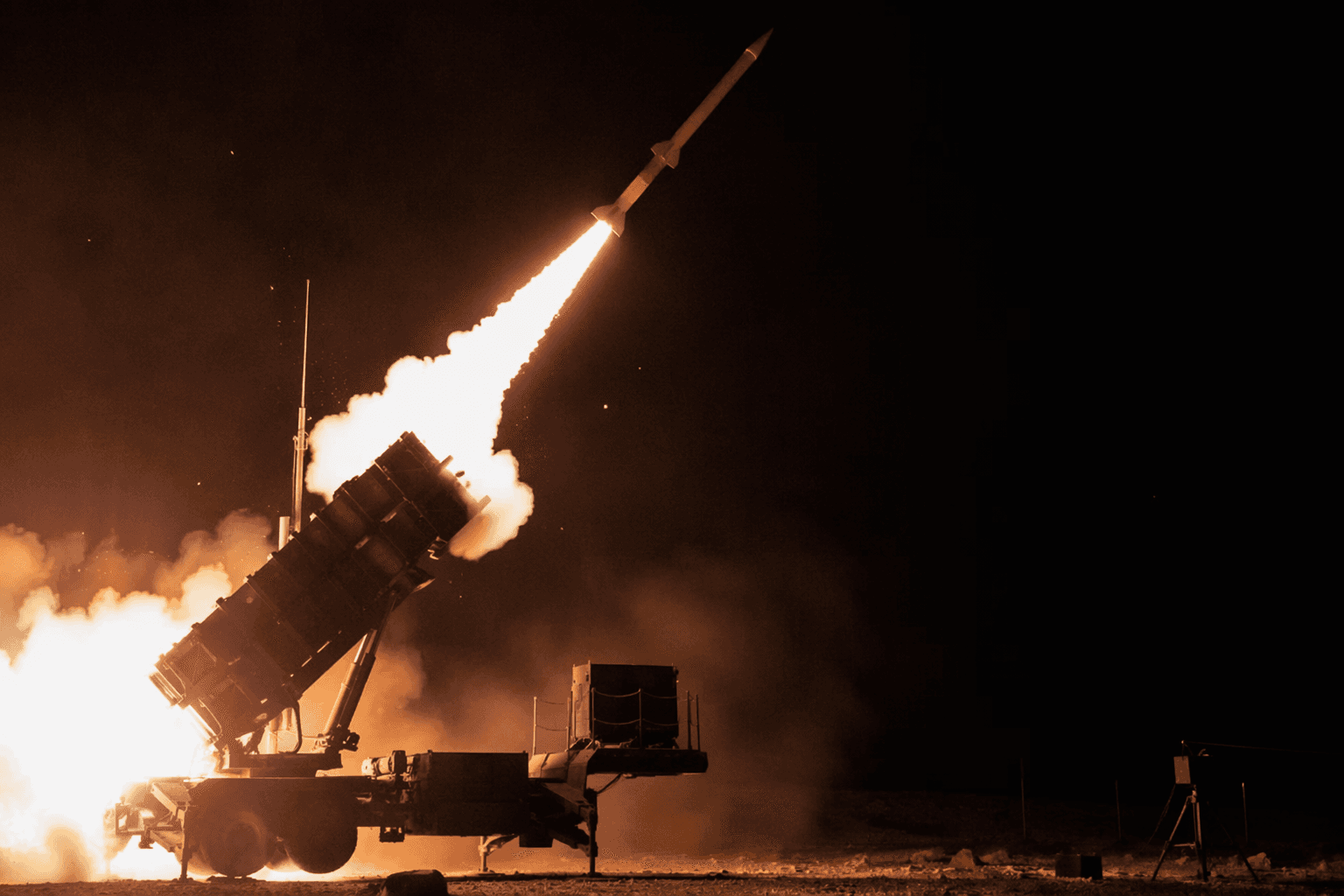
Each missile fired in Iran carries a supply-chain cost that goes far beyond the battlefield. Replenishing Tomahawk, Patriot and Precision Strike stocks will require more tungsten, a critical metal for high-performance weapon systems, just as the United States is already relying on foreign sources for more than half of the tungsten it consumes.
The bottleneck is China. U.S. Geological Survey data cited by the Government Accountability Office say world tungsten supply is dominated by Chinese production and exports, while output of tungsten concentrate outside China remained below 20% of world production in 2023. That concentration matters because tungsten is not an optional input. The Department of Defense and the White House have described critical materials such as tungsten as essential to national security, especially in a national emergency when military and industrial demand surges at once.
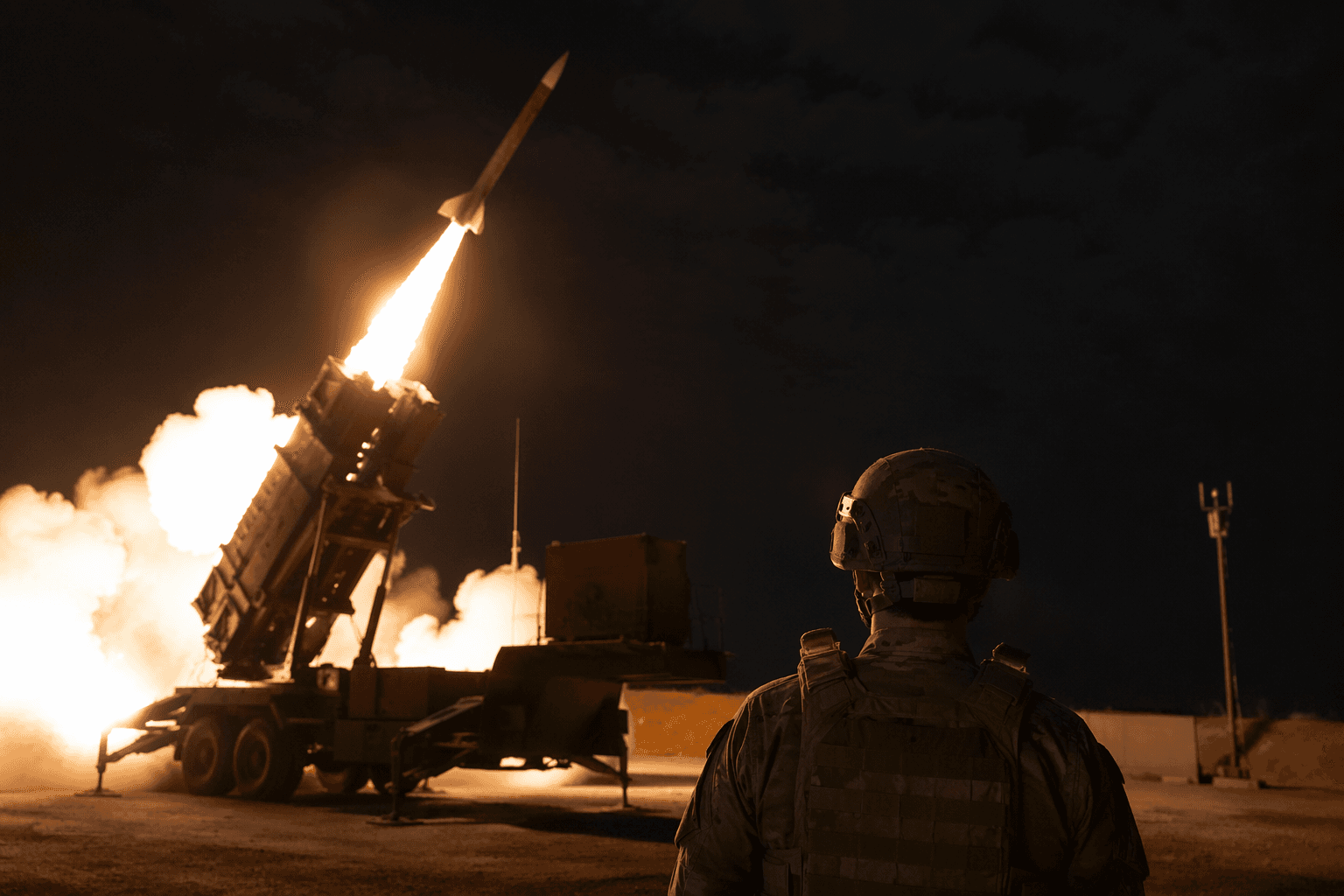
The pressure is showing up in prices. China’s export controls, combined with stronger military demand, have pushed tungsten to record highs, according to market reporting. Many munitions contain tungsten because the super-hard metal helps missiles penetrate armor or underground bunkers, which means every replenishment order competes with a tighter global market and a constrained non-China supply base.
Washington is now looking for alternate sources, including South Korea and Vietnam, but shifting supply chains will take time. The GAO has warned that the Defense Department still needs to better implement stockpile and procurement requirements to reduce supply-chain risk, and it has said the national defense stockpile is meant to protect the country from dangerous foreign dependence in wartime. The problem is not limited to tungsten alone: a 2024 Govini report found roughly 80,000 U.S. weapon components rely on antimony, gallium, germanium, tungsten or tellurium, and said nearly 78% of U.S. weapons systems face disruption if Chinese supply is restricted.
That wider exposure means the Iran missile campaign has become a test of industrial resilience as much as military reach. The United States can replace fired weapons, but only if it can secure enough tungsten and other critical minerals fast enough to keep the production line moving.
Know something we missed? Have a correction or additional information?
Submit a Tip

